Blog
  • Backhoe Loader vs Excavator: How to Choose the Right Equipment for Your Project
    Backhoe Loader vs Excavator: How to Choose the Right Equipment for Your Project Jul 24, 2026
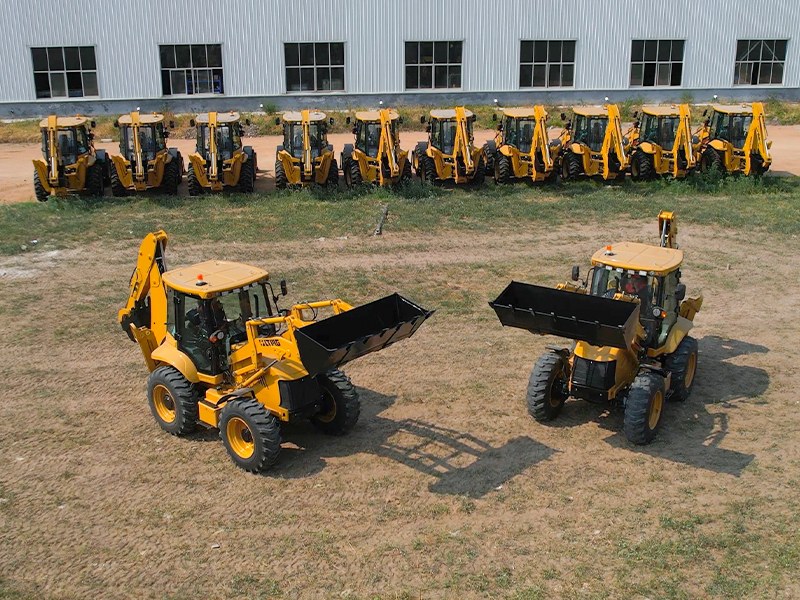
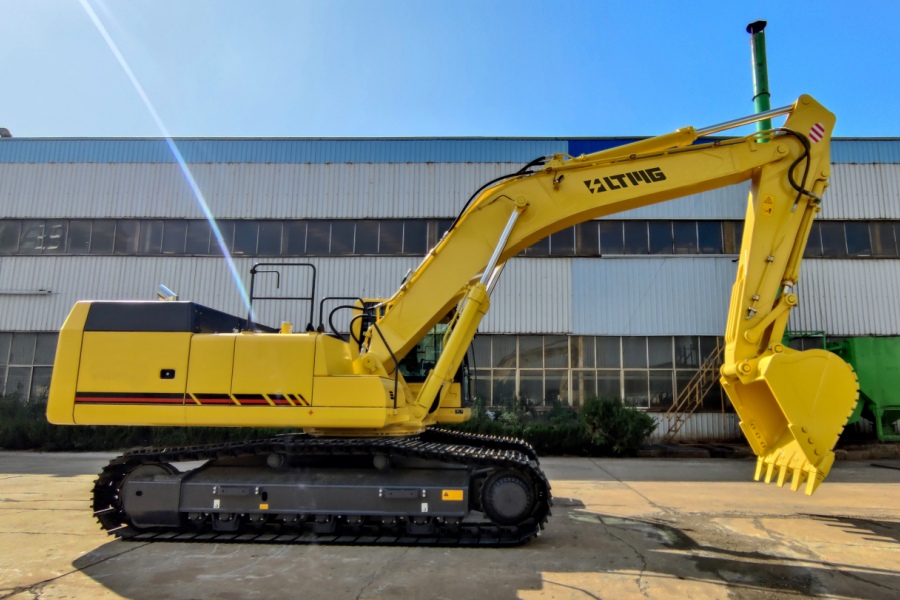
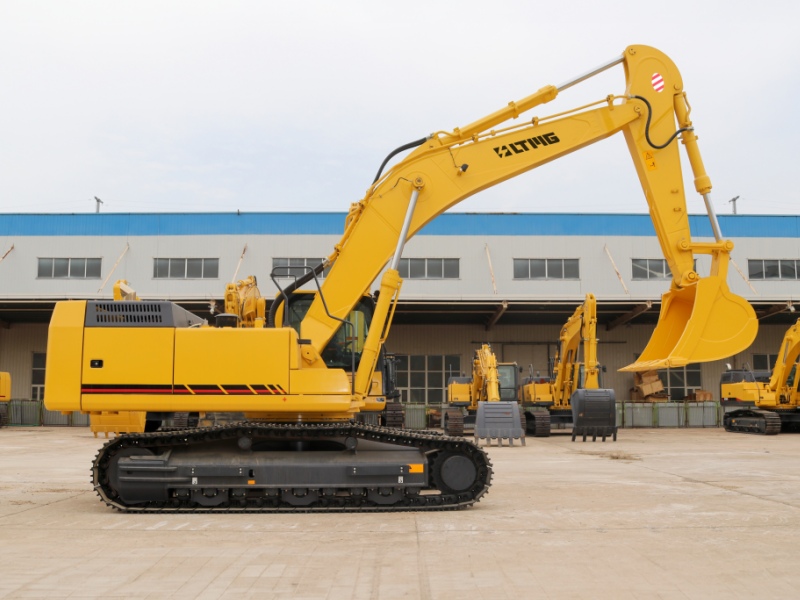
    In construction, road building, and earthmoving projects, choosing the right equipment can directly impact work efficiency, operating costs, and equipment utilization. When it comes to excavation tasks, many customers need to choose between a backhoe loader and an excavator. Although both machines can perform digging operations, they are designed for different purposes. A backhoe loader focuses on versatility, combining digging, loading, and material handling capabilities in one machine, making it suitable for projects that require multiple functions. An excavator is designed for more specialized excavation work, offering stronger digging performance, a larger working range, and higher productivity for large-scale earthmoving and heavy construction projects. So, what is the difference between a backhoe loader and an excavator, and which one is the right choice for your project? In this article, we will compare these two types of construction equipment based on different application needs and help you find the right solution with LTMG. Backhoe Loader: A Flexible Choice for Multi-Purpose Construction Projects In many construction projects, customers do not always need a large excavator to perform a single excavation task. Instead, they often look for one machine that can handle multiple daily construction operations. For example, in road maintenance, municipal construction, and agricultural projects, equipment may be required to perform tasks such as: Digging trenches; Moving soil and construction materials; Clearing job sites; Loading sand, gravel, and other materials. Purchasing both an excavator and a loader can significantly increase equipment investment, while also adding transportation, maintenance, and management costs. Therefore, for medium-scale projects with diverse tasks, a backhoe loader is often a more flexible and cost-effective solution. A backhoe loader combines a front loader bucket with a rear excavating attachment, allowing one machine to perform two major functions: digging and loading. Compared with dedicated construction equipment, its biggest advantages are versatility and adaptability on different job sites. Backhoe loaders are commonly used for: Road maintenance and foundation construction; Pipeline installation and trench excavation; Agricultural land preparation; Municipal maintenance projects; Small-scale construction work. For contractors who frequently switch between different tasks or operate across multiple job sites, a backhoe loader can reduce the need for multiple machines and improve overall work efficiency. In the following section, we will introduce the LTMG BLT388H backhoe loader and explore how it meets different application requirements across various construction scenarios. LTMG BLT388H Backhoe Loader: A Versatile Solution for Multi-Task Construction Applications For road maintenance, municipal construction, and small to medium-sized construction projects, job sites often require multiple operations, including excavation, loading, and material handling. Using separate machines for each task can increase equipment management complexity while reducing overall operational efficiency. The LTMG BLT388H backhoe loader features a front loader bucket and a rear excavating arm, combining loading and digging capabilities into one machine. Compared with single-purpose construction equipment, the BLT388H is better suited for projects that require frequent switching between different tasks. Designed with a compact structure, the BLT388H provides excellent flexibility while meeting various construction requirements. Its 1.2 m³ front loader bucket is suitable for transporting soil, gravel, and construction materials, while the 0.3 m³ rear excavator bucket is ideal for trench digging, pipeline installation, and foundation work. BLT388H Main Specifications Specification Value Operating Weight Approx. 10,050 kg Engine Power 75 kW Rated Load Capacity 2,500 kg Loader Bucket Capacity 1.2 m³ Excavator Bucket Capacity 0.3 m³ Key Advantages of BLT388H Backhoe Loader Multi-functional Performance: Combines excavation and loading capabilities in one machine, reducing the need for multiple equipment investments and improving overall cost efficiency. Flexible Operation: Suitable for projects requiring frequent task changes, allowing operators to perform digging, loading, material handling, and site cleaning operations. Strong Application Adaptability: Compared with larger excavators, the BLT388H is more suitable for scattered job sites and projects with diverse construction requirements. High Equipment Utilization: One machine can handle multiple daily construction tasks, helping contractors improve equipment utilization and operational efficiency. BLT388H Applications The LTMG BLT388H backhoe loader is particularly suitable for: Road repair and maintenance projects; Pipeline installation and trench excavation; Agricultural land preparation; Municipal infrastructure maintenance; Small and medium-sized construction projects. For customers looking for a single machine that can handle multiple construction tasks while improving productivity and controlling equipment costs, the LTMG BLT388H backhoe loader provides an efficient and economical solution. Excavator: The Ideal Choice for Large-Scale Earthmoving and Heavy-Duty Construction For large-scale earthmoving projects, foundation construction, and applications requiring long hours of continuous operation, a crawler excavator is often a more efficient equipment choice. Compared with a backhoe loader, an excavator is specifically designed for heavy-duty digging operations. It offers stronger excavation performance, a larger working range, and higher productivity, making it suitable for large construction projects that require powerful performance and continuous operation capability. Excavators are widely used in: Large-scale earthmoving projects; Road construction and infrastructure development; Mining and quarry operations; Large construction projects; Soil and material handling applications. In these applications, equipment is typically required to handle large volumes of soil, rock, and other heavy materials over extended working periods. Choosing the right excavator size and configuration can not only improve productivity but also reduce the operating cost per unit of work in large-scale projects. LTMG provides crawler excavator solutions in different tonnage ranges, allowing customers to select the right equipment based on project scale, working environment, and specific application requirements. In the following section, we will introduce an LTMG crawler excavator designed for heavy-duty construction applications and explore how it delivers reliable performance in demanding job sites. LTMG LTE330 33 Ton Crawler Excavator: A High-Efficiency Solution for Large-Scale Construction Projects The LTMG LTE330 33 Ton Crawler Excavator is a heavy-duty excavator designed for large-scale earthmoving projects and demanding construction environments. It is ideal for applications that require continuous operation, high productivity, and reliable performance. Compared with standard excavation equipment, the LTE330 features a heavier operating weight, a more powerful engine system, and enhanced digging performance. It is designed to meet the needs of large construction sites, including earth excavation, material handling, and long-duration heavy-duty operations. The LTE330 is powered by a Cummins 6LTAA8.9 engine with a rated power of 242 kW. With an operating weight of approximately 32,500 kg, a 1.6 m³ bucket capacity, and a maximum digging force of 227 kN, this 33 ton excavator delivers strong performance for challenging job sites. Its powerful powertrain and reliable hydraulic system ensure stable operation even under high-load working conditions. LTE330 Main Specifications Specification Value Operating Weight 32,500 kg Engine Power 242 kW Bucket Capacity 1.6 m³ Maximum Digging Force 227 kN Engine Brand Cummins Key Advantages of LTE330 Crawler Excavator Powerful Performance: The high-power engine combined with a reliable hydraulic system provides the power required for large-scale earthmoving projects. Efficient Excavation Capability: Higher digging force and larger bucket capacity improve material handling efficiency and increase productivity on demanding job sites. Durable and Stable Structure: Reinforced boom, arm, and undercarriage structures make the LTE330 suitable for long-term heavy-duty operations. Reliable Hydraulic System: The Kawasaki hydraulic pump ensures stable power transmission and improves overall equipment reliability. LTE330 Applications The LTMG LTE330 crawler excavator is widely used for: Large-scale earthmoving projects; Mining support operations; Infrastructure construction; Large road construction projects; Heavy-duty building construction. For customers who require continuous large-scale excavation operations and want to improve productivity while reducing operating costs, the LTMG LTE330 33 ton crawler excavator provides a reliable and efficient heavy-duty construction solution. Backhoe Loader vs Excavator: How to Choose the Right Equipment? Comparison Backhoe Loader Excavator Core Functions Combines digging, loading, and material handling capabilities in one machine Designed for heavy-duty excavation and large-scale earthmoving operations Main Advantages Multi-purpose performance, suitable for projects requiring frequent task changes Powerful digging capability and higher productivity Ideal Applications Road maintenance, municipal projects, agricultural work, and multi-task construction Large-scale earthmoving, infrastructure construction, and mining support operations Working Characteristics Flexible and versatile, capable of handling various daily construction tasks Built for long hours of continuous operation and heavy-duty workloads Key Selection Factors Suitable for projects looking to reduce the number of machines and improve equipment utilization Suitable for projects requiring higher excavation capacity and greater construction efficiency If your project requires one machine to handle digging, loading, and multiple construction tasks, the LTMG BLT388H backhoe loader is a more flexible choice. If your project involves large-scale excavation, heavy-duty construction, and long-duration continuous operations, the LTMG LTE330 33 ton crawler excavator provides higher productivity and stronger digging performance. Choose the Right LTMG Construction Equipment for Your Project Choosing the right construction equipment can help improve work efficiency and reduce long-term operating costs. LTMG provides reliable construction machinery solutions, including backhoe loaders, crawler excavators, wheel loaders, skid steer loaders, and other equipment for different construction applications. Whether you need a versatile machine for daily operations or a powerful excavator for large-scale projects, LTMG can provide the right equipment solution for your needs. Contact LTMG today for professional equipment recommendations and a quotation.
  • Self Loading Concrete Mixer Buying Guide: How to Select the Best Model for Your Construction Project
    Self Loading Concrete Mixer Buying Guide: How to Select the Best Model for Your Construction Project Jul 24, 2026
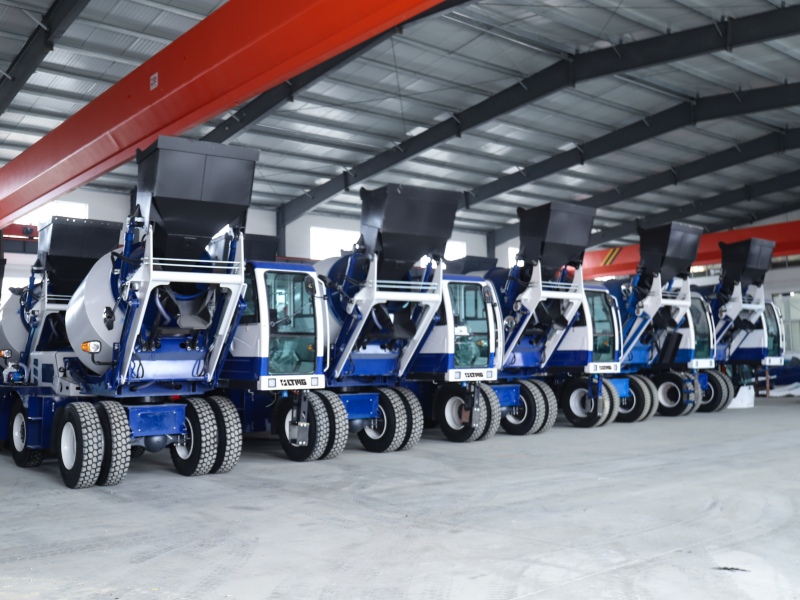
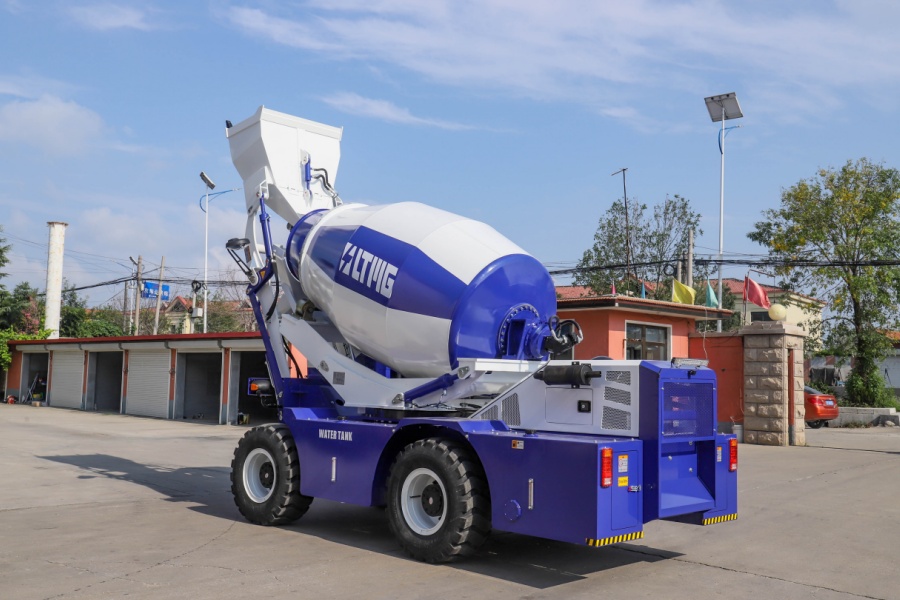
    In road construction, residential projects, and infrastructure development, a reliable concrete supply is essential for ensuring construction efficiency and controlling costs. However, traditional concrete supply methods can be challenging for remote areas, small projects, and mobile construction sites due to high transportation costs and limited flexibility. A Self Loading Concrete Mixer integrates loading, weighing, mixing, transporting, and discharging functions into one machine, allowing concrete production directly on-site. This guide will help you understand how to choose the right Self Loading Concrete Mixer model based on your project requirements, application scenarios, and equipment performance. When Should You Choose a Self Loading Concrete Mixer? A Self Loading Concrete Mixer is not the only option for every construction project, but it can provide greater flexibility and cost efficiency in the following scenarios. 1. Construction Sites Far Away from Commercial Concrete Supply Stations For rural road construction, mountain projects, mining areas, and remote infrastructure projects, construction sites are often located far from urban areas. Relying on external concrete suppliers may result in: Long transportation distances; Higher concrete delivery costs; Increased waiting time during construction; Limited availability of local concrete suppliers. A Self Loading Concrete Mixer can load raw materials and produce concrete directly at the construction site, reducing dependence on fixed batching plants. It is especially suitable for: Rural road construction; Mining infrastructure projects; Remote construction projects; Sites without access to reliable concrete supply facilities. 2. Projects Requiring Frequent Movement Between Construction Sites Some construction projects are not limited to a single fixed location, such as: Road maintenance projects; Pipeline construction; Small-scale infrastructure projects; Multi-location continuous construction projects. Traditional concrete supply methods require continuous transportation of ready-mixed concrete, while fixed batching plants cannot easily adapt to changing construction locations. A Self Loading Concrete Mixer offers excellent mobility, allowing operators to adjust the working location according to project progress and produce concrete quickly in different areas. For companies that require flexible construction solutions, this equipment can reduce transportation and equipment scheduling costs while improving overall efficiency. 3. Projects Requiring Flexible Concrete Production Capacity For small and medium-sized construction projects, daily concrete demand may vary depending on the construction stage. Examples include: Residential construction; Small commercial buildings; Agricultural facility construction; Small-scale road projects. Building a large fixed batching plant may result in low equipment utilization and unnecessary investment. A Self Loading Concrete Mixer allows operators to produce the required amount of concrete based on actual construction needs, helping to: Reduce material waste; Lower equipment investment; Improve construction flexibility. Self Loading Concrete Mixer vs. Traditional Concrete Supply Methods When choosing concrete equipment, companies usually need to compare the differences between on-site concrete production solutions and traditional concrete supply methods. Comparison Factor Self Loading Concrete Mixer Traditional Concrete Supply Production Method Produces concrete directly at the construction site Relies on external concrete suppliers Equipment Requirements One machine integrates multiple functions Requires loaders, mixing equipment, and transportation vehicles Construction Flexibility High mobility and flexible on-site operation Limited by supply locations and transportation conditions Suitability for Remote Areas Strong adaptability Higher transportation costs Concrete Supply Control Produces concrete according to actual project needs Depends on supplier schedules and availability For projects with scattered construction sites, limited infrastructure conditions, or the need for quick response, a Self Loading Concrete Mixer is often a more flexible and efficient concrete production solution. How to Choose the Right Self Loading Concrete Mixer? When choosing a Self Loading Concrete Mixer, price is not the only factor to consider. Project scale, working conditions, and equipment usage frequency all play an important role in the final decision. During the purchasing process, buyers should focus on the following three aspects: 1. Choose the Right Capacity Based on Concrete Demand Concrete demand is one of the most important factors when selecting equipment capacity. For projects with lower concrete requirements, scattered construction sites, or frequent equipment relocation, a compact Self Loading Concrete Mixer usually offers better flexibility and mobility. For projects such as road construction and infrastructure development that require continuous concrete supply, equipment with higher production capacity should be considered to reduce mixing cycles and improve construction efficiency. When selecting the right capacity, it is recommended to evaluate the daily concrete demand, project duration, and construction frequency together. 2. Select the Equipment Type Based on Construction Conditions The conditions of the construction site directly affect equipment suitability. If the working area is limited, road conditions are complex, or the equipment needs to be frequently moved, a compact and highly maneuverable model is usually a better choice. For large-scale construction projects, especially those requiring continuous pouring or stable concrete supply, priority should be given to equipment with higher production efficiency and continuous operating capability. 3. Consider Long-Term Operating Costs Construction machinery is a long-term investment. In addition to the initial purchase price, buyers should also consider the overall operating costs of the equipment. Choosing an integrated machine that combines loading, mixing, and transportation functions can reduce the need for additional equipment while lowering labor and maintenance costs. At the same time, spare parts availability and after-sales service support from the supplier are also important factors to consider during the purchasing process. LTMG Self Loading Concrete Mixer Solutions To meet the needs of different construction projects, LTMG provides a range of Self Loading Concrete Mixer solutions, helping customers select the right model based on their working environment and concrete production requirements. LTMG26 Self Loading Concrete Mixer: A Flexible Solution for Various Construction Projects For projects with limited working space, scattered construction locations, or frequent equipment relocation, a compact and highly maneuverable Self Loading Concrete Mixer can provide better adaptability and efficiency. The LTMG26 Self Loading Mixer for Construction Projects is designed for small and medium-sized construction applications. It features a 2.6 m³ mixing capacity per batch and can complete up to 4 mixing cycles per hour, achieving a maximum output of approximately 10.4 m³/h to meet daily concrete supply requirements. The LTM26 has an operating weight of approximately 7,000 kg and dimensions of 7,150 mm × 2,650 mm × 3,000 mm. Its compact design makes it especially suitable for construction sites with limited space or projects across multiple locations. The LTMG26 is suitable for: Residential construction projects; Rural infrastructure development; Small-scale road construction; Construction sites with limited operating space. The key advantage of the LTM26 is its flexibility. The machine integrates loading, mixing, transportation, and discharging functions into one unit, eliminating the need for additional loaders and transport equipment while reducing the number of machines required on site. In addition, the equipment features hydraulic articulated steering and a maximum climbing ability of 40°, allowing it to adapt to challenging working conditions. The mixing drum supports 270° horizontal rotation, making concrete discharge easier at different positions and improving on-site operating convenience. For customers with moderate concrete demand and frequently changing construction locations, the LTMG26 Self Loading Concrete Mixer offers an ideal balance between productivity and flexibility. LTMG42 4.2m³ Self Loading Concrete Mixer: A High-Efficiency Solution for Construction Projects For road construction, infrastructure projects, and large-scale construction applications that require a continuous concrete supply, equipment productivity and continuous operating capability become increasingly important. The LTMG42 4.2m³ Self Loading Concrete Mixer features a 4.2 m³ mixing capacity per batch and can complete up to 5 mixing cycles per hour, achieving a maximum output of approximately 20 m³/h. It is designed for construction projects with higher requirements for concrete supply efficiency. The LTM42 has an operating weight of approximately 9,500 kg and dimensions of 7,500 mm × 2,950 mm × 3,500 mm. Compared with compact models, it provides higher production capacity and is better suited for long-term and continuous construction operations. The LTMG42 is suitable for: Highway construction; Infrastructure development projects; Commercial building projects; Large-scale concrete construction applications. The LTM42 is equipped with an automatic loading, weighing, and mixing system, which reduces manual operations and improves on-site concrete production efficiency. It is powered by a Yuchai YCD4P22T 125 diesel engine with a rated power of 91 kW and features four-wheel drive capability. With a maximum climbing ability of 45°, it can handle a wider range of challenging construction environments. In addition, the mixing drum supports 270° rotation, and the discharge height reaches 2.2 m, improving unloading convenience at different construction locations. For projects that require a stable concrete supply and higher construction efficiency, the LTMG42 Self Loading Concrete Mixer provides greater productivity and stronger continuous operating capability. Conclusion A Self Loading Concrete Mixer integrates loading, mixing, transportation, and discharging functions into one machine, providing a more flexible and efficient concrete supply solution for modern construction projects. Choosing the right equipment requires comprehensive consideration of project scale, concrete demand, working conditions, and long-term operating requirements. The right model can not only meet construction needs but also help companies improve productivity and reduce operating costs. If you are looking for a suitable Self Loading Concrete Mixer for your construction project, the LTMG team can provide professional equipment selection advice and customized solutions based on your specific requirements. Contact us today to get more product information and a quotation.  
  • Wheel Loader vs Skid Steer Loader: How to Choose the Right Machine for Your Project?
    Wheel Loader vs Skid Steer Loader: How to Choose the Right Machine for Your Project? Jul 20, 2026
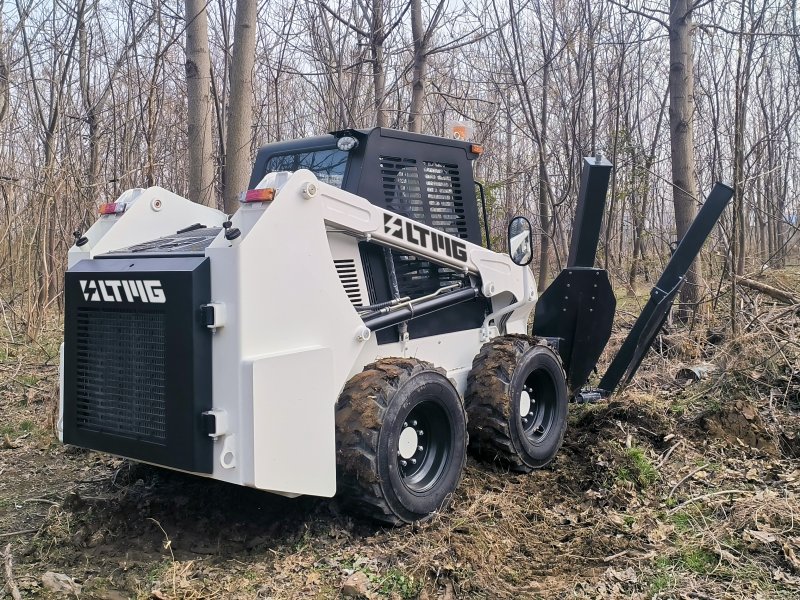
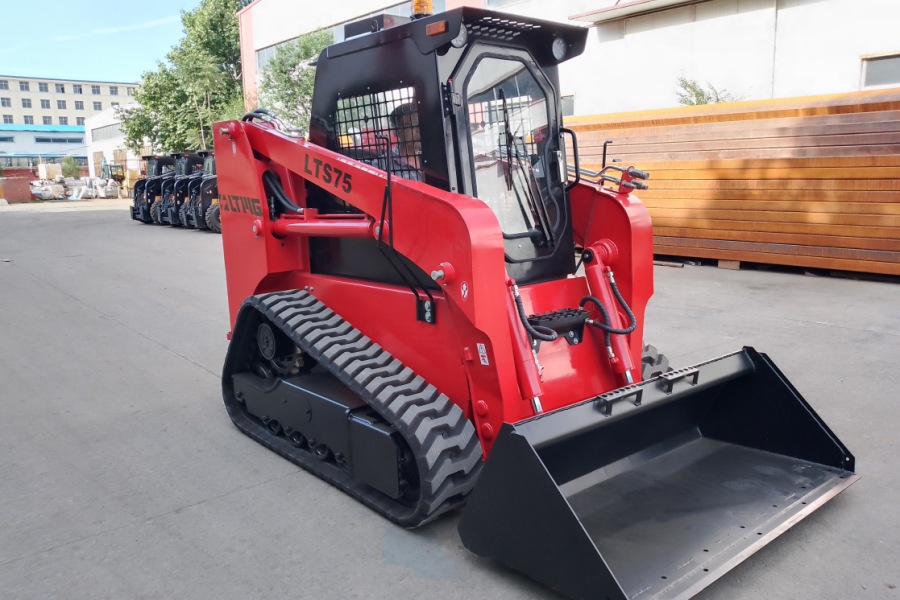
    Choosing the right loading equipment can directly affect construction efficiency and operating costs in construction, earthmoving, and material handling projects. For projects that require large volumes of material handling, wheel loaders are often the preferred choice due to their higher loading capacity and ability to perform continuous heavy-duty operations. For projects with limited working space that require greater flexibility and maneuverability, skid steer loaders provide a more suitable solution. So, what is the difference between a wheel loader and a skid steer loader? Which machine is the right choice for your project? This article will compare wheel loaders and skid steer loaders based on different applications and introduce LTMG loader solutions to help you select the right equipment. Wheel Loader: Ideal Choice for Heavy Material Handling and High-Efficiency Operations For construction projects that require efficient earthmoving, gravel loading, and material transportation, a wheel loader is usually the more suitable choice. Compared with skid steer loaders, wheel loaders offer higher loading capacity, stronger stability, and better performance for continuous operation. They are designed to handle large amounts of materials efficiently in demanding construction environments. Wheel loaders are commonly used for: Earthmoving projects; Road construction; Sand and gravel yards; Infrastructure projects; Mining support operations. Next, we will introduce two LTMG wheel loader models designed for different project requirements. LTMG LT958 5 Ton Wheel Loader: Recommended for General Construction Projects The LTMG LT958 5 ton wheel loader is a versatile machine designed for construction projects, earthmoving operations, and daily material handling applications. With a reliable power system, strong loading performance, and high operating efficiency, LT958 is suitable for customers looking for a dependable wheel loader for medium-sized construction projects. LT958 features a rated load capacity of 5,000 kg, an operating weight of approximately 17.4 tons, a 3 m³ bucket, a 162 kW engine, and a maximum breakout force of 147 kN. The large bucket capacity and strong power output enable LT958 to efficiently handle soil, gravel, and construction materials. For customers who need a balance between equipment performance, operating cost, and flexibility, LT958 is an ideal general-purpose wheel loader for long-term use. It can meet daily loading requirements while adapting to different material handling conditions. LT958 is mainly suitable for: Construction projects; Earthmoving operations; Sand and gravel loading; Material transfer at concrete mixing plants. LTMG LT978 7 Ton Wheel Loader: Recommended for Large-Scale Projects and Heavy Material Handling The LTMG LT978 7 ton wheel loader is designed for large-scale earthmoving projects, mining support operations, and heavy-duty material handling applications. Compared with LT958, LT978 offers a higher rated load capacity, larger bucket capacity, and stronger power output, making it more suitable for handling large volumes of high-density materials such as soil, gravel, and mining materials. LT978 features a rated load capacity of 7,000 kg, an operating weight of approximately 24,300 kg, a 4-6 m³ bucket, a 199 kW engine, and a maximum breakout force of 202 kN. The larger bucket capacity and stronger breakout force help reduce loading cycles and improve material handling efficiency in large construction environments. For applications such as sand and gravel yards, mining support, and large infrastructure projects, equipment needs to perform reliably under long hours of heavy-duty operation. With higher productivity and stronger working capability, LT978 is better suited for projects that require continuous handling of large quantities of materials. LT978 is mainly suitable for: Sand and gravel yards; Mining support operations; Large infrastructure projects; Large-scale earthmoving projects. Comparison LT958 5 Ton Wheel Loader LT978 7 Ton Wheel Loader Product Positioning General-purpose construction wheel loader Heavy-duty wheel loader Rated Load Capacity 5,000 kg 7,000 kg Bucket Capacity 3 m³ 4-6 m³ Key Advantages Balanced performance, operating cost, and flexibility Higher loading capacity for heavy-duty operations Recommended Applications Construction projects, earthmoving, material transfer Sand and gravel yards, mining support, large-scale earthmoving projects Skid Steer Loader: Ideal Choice for Small Spaces and Multi-Purpose Operations For projects with limited working space, complex operating environments, or the need for one machine to perform multiple tasks, a skid steer loader is often a more flexible solution. Compared with wheel loaders, skid steer loaders feature a more compact design, allowing them to operate and maneuver effectively in confined areas. They also support a wide range of attachments, enabling operators to handle different tasks with one machine. Skid steer loaders are commonly used for: Landscaping projects; Agricultural applications; Municipal maintenance; Small construction projects; Operations in confined working areas. If your project requires frequent changes between different tasks or you need one machine for loading, cleaning, material handling, and other operations, a skid steer loader can provide greater flexibility and equipment utilization. Next, we will introduce two LTMG skid steer loader models designed for different application requirements. LTMG LTS75 Track Skid Steer Loader: Recommended for Challenging Terrain and Flexible Operations The LTMG LTS75 track skid steer loader is designed for construction environments that require better ground adaptability and operational stability. Compared with traditional wheeled skid steer loaders, the track undercarriage provides better traction and lower ground pressure, allowing the machine to operate more effectively on muddy, soft, and uneven terrain. LTS75 features a rated load capacity of 1,050 kg, an operating weight of approximately 3,800 kg, a 0.5 m³ bucket, and a 55 kW engine. The compact design combined with a track drive system allows LTS75 to access confined working areas and perform loading, material handling, and cleaning tasks in challenging conditions. For landscaping projects, agricultural applications, and construction sites with difficult ground conditions, LTS75 provides better stability and flexibility while reducing operational limitations in demanding environments. LTS75 is mainly suitable for: Landscaping projects; Agricultural applications; Muddy, soft, or uneven ground operations; Small construction projects; Site cleaning. LTMG LT75 Wheel Skid Steer Loader: High-Efficiency Solution for Multi-Purpose Operations The LTMG LT75 wheel skid steer loader is designed for customers who need higher working efficiency, faster transportation, and versatile attachment applications. Compared with track skid steer loaders, the wheeled design provides better mobility and is more suitable for frequent movement on hard surfaces and conventional construction sites. LT75 features a rated load capacity of 1,100 kg, an operating weight of approximately 3,810 kg, a 0.53 m³ bucket, and a 65 kW engine. Equipped with a high-flow hydraulic system, LT75 supports a wider range of attachments, helping operators complete loading, material handling, cleaning, and other specialized tasks. Compared with LTS75, LT75 is better suited for projects that require frequent machine movement, higher operating efficiency, and greater attachment flexibility. LT75 is mainly suitable for: Construction projects; Material handling; Agricultural applications; Multi-purpose attachment operations.   Comparison LTS75 Track Skid Steer Loader LT75 Wheel Skid Steer Loader Product Positioning Skid steer loader for challenging terrain High-efficiency multi-purpose skid steer loader Drive System Track undercarriage Wheeled design Rated Load Capacity 1,050 kg 1,100 kg Key Advantages Better traction and adaptability for muddy, soft, and uneven terrain Faster mobility and support for more attachment applications Recommended Applications Landscaping, agriculture, and challenging ground conditions Construction, material handling, and multi-purpose operations Wheel Loader vs Skid Steer Loader: Which One Should You Choose? Choosing between a wheel loader and a skid steer loader mainly depends on your working environment, project scale, and equipment requirements. Each type of machine has its own advantages. Comparison Wheel Loader Skid Steer Loader Core Advantages Higher loading capacity and material handling efficiency Greater flexibility and multi-purpose operating capability Main Applications Large-scale earthmoving, gravel handling, infrastructure projects Landscaping, small construction projects, confined working areas Working Environment Open construction areas Narrow or complex working areas Loading Capacity Higher, suitable for large-volume material handling Lower, suitable for light to medium-duty operations Operating Characteristics Ideal for long-term, continuous, high-efficiency loading tasks Suitable for frequent maneuvering and multi-purpose operations Attachment Applications Mainly focused on bucket operations Supports various attachments for versatile applications   If your project requires handling large amounts of soil, gravel, or other bulk materials every day, and the working area is relatively open, a wheel loader is usually the more suitable choice. If your project has limited space, requires frequent changes between different tasks, or needs one machine to perform loading, cleaning, material handling, and other operations, a skid steer loader provides greater flexibility. Find the Right LTMG Loader for Your Project Choosing the right loading equipment can help improve construction efficiency and reduce long-term operating costs. LTMG provides wheel loaders, skidCC steer loaders, and complete construction equipment solutions to meet different project requirements based on your application, working environment, and operational needs. Whether you need a wheel loader for heavy material handling or a skid steer loader for flexible and multi-purpose operations, LTMG can provide reliable equipment solutions for your projects. Contact LTMG today to get professional equipment recommendations and a quotation for your project.
  • Large Excavator Size Guide: 23 Ton, 33 Ton, and 40 Ton Excavators
    Large Excavator Size Guide: 23 Ton, 33 Ton, and 40 Ton Excavators Jul 14, 2026
    Choosing the right large excavator is essential for maximizing productivity and controlling costs in construction projects, road construction, mining, and infrastructure development. These demanding applications require powerful digging performance, a wide working range, and reliable operation, making excavator size one of the most important factors in equipment selection. An excavator that is too small may reduce productivity and extend project timelines, while an oversized machine can increase purchase, transportation, and operating costs. Selecting the right machine for your specific job helps achieve the best balance between performance, efficiency, and long-term operating costs. In this guide, we'll compare 23 ton, 33 ton, and 40 ton excavators, explain their ideal applications, and help you choose the right LTMG crawler excavator for your project. 23 Ton Excavator: A Cost-Effective Choice for Large Construction Projects The 23 ton excavator is one of the most popular choices for large construction projects, offering an excellent balance of power, productivity, and maneuverability. Compared with excavators over 30 tons, a 23 ton crawler excavator is easier to transport and operate while still providing the performance required for most medium to large-scale construction projects. It is an ideal solution for road construction, foundation work, infrastructure development, and general earthmoving applications. Recommended Model: LTMG LTE230 23 Ton Crawler Excavator The LTMG LTE230 23 Ton Crawler Excavator is designed for medium to large construction projects. Powered by a Cummins QSB7 engine with a rated output of 124 kW, it features a 1.1 m³ bucket that delivers reliable digging performance and efficient material handling. With its powerful engine, reliable hydraulic system, and durable crawler undercarriage, the LTE230 performs exceptionally well in road construction, infrastructure projects, earthmoving, and challenging jobsite conditions. Key Specifications Specification LTE230 Operating Weight 23,000 kg Engine Cummins QSB7 Rated Power 124 kW / 2050 rpm Bucket Capacity 1.1 m³ Max. Digging Radius 9,936 mm Max. Digging Depth 6,550 mm Max. Digging Height 9,680 mm Max. Dumping Height 6,730 mm Key Benefits of the LTMG LTE230 Powerful Performance for Higher Productivity Powered by the reliable Cummins QSB7 engine, the LTE230 delivers consistent power output for demanding earthmoving applications, helping maintain high productivity even under heavy workloads. Efficient Hydraulic System for Precise Operation The LTE230 features a dual-pump hydraulic system that improves hydraulic response and enables smoother boom, arm, and bucket movements. This results in faster cycle times and greater operating efficiency. Durable Undercarriage for Tough Jobsite Conditions Its reinforced crawler undercarriage provides excellent stability and traction on muddy, uneven, and challenging terrain, making it well suited for earthmoving, road construction, and long-term construction projects. 33 Ton Excavator: An Efficient Heavy-Duty Solution for Large Construction Projects The 33 ton excavator is a popular choice for large-scale construction projects and heavy-duty applications. Compared with 20–25 ton excavators, it offers higher operating weight, larger bucket capacity, and stronger digging performance, making it suitable for more demanding construction tasks. Compared with excavators above 40 tons, a 33 ton crawler excavator provides an excellent balance between productivity and operating costs. With strong performance while maintaining relatively lower transportation and ownership costs, it has become one of the preferred excavator sizes for overseas contractors working on large construction and infrastructure projects. Recommended Model: LTMG LTE330 33 Ton Crawler Excavator The LTMG LTE330 33 Ton Crawler Excavator is designed for large-scale earthmoving projects and heavy-duty construction environments. Equipped with a Cummins 6LTAA8.9 engine delivering 242 kW at 2000 rpm, along with a Kawasaki hydraulic system, the LTE330 provides powerful and stable performance for demanding jobsite conditions. With a 32,500 kg operating weight, 1.6 m³ bucket capacity, and strong digging capability, the LTE330 delivers the efficiency, durability, and stability required for large construction projects, infrastructure development, and heavy excavation operations. Key Specifications Specification LTE330 Operating Weight 32,500 kg Engine Model Cummins 6LTAA8.9 Rated Power 242 kW / 2000 rpm Bucket Capacity 1.6 m³ Max. Digging Force 227 kN Max. Digging Depth 6,890 mm Max. Digging Radius 10,800 mm Max. Digging Height 9,800 mm Max. Dumping Height 6,830 mm Max. Flow 320 × 2 L/min Hydraulic System Pressure 37.3 MPa Key Benefits of the LTMG LTE330 Powerful Performance for Heavy-Duty Construction Equipped with a 242 kW Cummins engine, the LTE330 delivers reliable power for large-scale earthmoving, heavy excavation, and long-hour continuous operations, helping improve productivity in demanding construction environments. Efficient Hydraulic System for Smooth Operation The Kawasaki hydraulic system provides stable hydraulic output, fast response, and smooth combined movements, improving cycle efficiency during large-scale excavation projects. Large Capacity and Durable Structure for Demanding Applications With a 1.6 m³ bucket and reinforced structural components, including the boom, arm, and bucket, the LTE330 offers higher material handling efficiency and excellent durability for earthmoving projects, infrastructure construction, and mining support applications. 40 Ton Excavator: A High-Productivity Solution for Mining and Large Infrastructure Projects The 40 ton excavator is a heavy-duty machine designed for large-scale construction projects that require high productivity, excellent stability, and long-term continuous operation. Compared with 20–30 ton excavators, a 40 ton excavator offers greater operating weight, stronger digging force, and higher material handling capacity. These advantages make it an ideal choice for large-scale earthmoving projects, mining operations, quarry applications, and major infrastructure development. For projects that require long hours of heavy-duty excavation, a 40 ton crawler excavator can reduce cycle times, improve production efficiency, and deliver reliable performance in demanding working conditions. It is widely used by large contractors and mining companies looking for maximum productivity. Recommended Model: LTMG LTE400 40 Ton Crawler Excavator The LTMG LTE400 40 Ton Crawler Excavator is developed for mining, large infrastructure projects, and heavy-duty earthmoving applications. Powered by a Cummins QSM11 engine with a rated power of 250 kW, and equipped with a Kawasaki hydraulic system, the LTE400 delivers powerful performance and stable hydraulic output for long hours of high-intensity operation. With an operating weight of nearly 40 tons, a large-capacity bucket, and strong digging capability, the LTE400 helps improve productivity and efficiency in large-scale excavation projects. Key Specifications Specification LTE400 Operating Weight 39,800 kg Engine Cummins QSM11 Rated Power 250 kW Bucket Capacity 1.9 m³ Max. Digging Force 260 kN Max. Digging Depth 7,600 mm Max. Digging Radius 11,700 mm Max. Dumping Height 7,600 mm Hydraulic System Kawasaki Key Benefits of the LTMG LTE400 Powerful Performance for Heavy-Duty Applications Powered by a Cummins QSM11 engine with 250 kW rated power, the LTE400 delivers reliable performance for demanding applications such as mining excavation, large-scale earthmoving, and continuous heavy-duty operations. High Productivity with Large Bucket Capacity Featuring a 1.9 m³ large-capacity bucket and strong digging capability, the LTE400 improves material handling efficiency and helps increase productivity in large construction and mining projects. Stable Structure for Challenging Jobsite Conditions With a reinforced structure and heavy-duty crawler undercarriage, the LTE400 provides excellent stability, durability, and terrain adaptability, making it suitable for mines, quarries, and large excavation sites. What Factors Should You Consider When Buying a Large Excavator? When buying a large excavator, selecting the right tonnage is only one part of the decision. You should also consider project requirements, working conditions, machine performance, after-sales support, and future equipment needs. The following factors can help you make a more informed excavator purchasing decision. Project Requirements Different construction projects have different performance requirements. Choosing the right excavator size and configuration based on your actual application is essential. 20–30 ton excavators: Suitable for road construction, municipal projects, and large building construction. 33 ton excavators: Ideal for large-scale earthmoving projects and infrastructure development. 38 tons and above excavators: Better suited for mining, quarry operations, and other heavy-duty applications. Selecting the right machine size helps ensure better productivity while avoiding unnecessary equipment costs. Working Conditions Jobsite conditions have a direct impact on excavator performance, efficiency, and service life. Before purchasing, consider: Soil conditions, including soft soil, clay, and rocky terrain Ground conditions, such as flat areas, slopes, or limited working spaces Available operating space at the jobsite For challenging environments such as mines and rocky areas, a higher-tonnage excavator with stronger digging force and a more durable structure is usually required. Engine and Hydraulic System Performance Large excavators are often required to operate continuously under heavy loads, making engine and hydraulic system performance critical factors. When selecting an excavator, pay attention to: Engine power output and reliability Hydraulic system response and stability Fuel efficiency and overall operating costs A high-performance power system not only improves productivity but also helps reduce long-term ownership costs. After-Sales Support and Parts Availability For large construction equipment, reliable after-sales service is an important factor when choosing a supplier. Consider whether the manufacturer can provide: Fast and reliable spare parts supply Professional technical support Long-term maintenance and warranty services Strong after-sales support helps minimize downtime and ensures your project continues according to schedule. Attachments and Future Expansion If your project requires multiple applications, choosing an excavator that supports various attachments can improve equipment versatility and utilization. Common excavator attachments include: Hydraulic breakers Log grapples Hydraulic augers Quick couplers Better attachment compatibility allows one machine to handle more tasks, reducing the need for additional equipment investment. Choose the Right LTMG Excavator Solution for Your Project Selecting the right excavator size and model can help you meet different jobsite requirements, improve operating efficiency, reduce equipment costs, and maximize your long-term return on investment. As a professional construction equipment manufacturer, LTMG provides a complete range of excavator solutions, including mini excavators, medium excavators, large crawler excavators, and wheeled excavators. Our machines are designed to support various applications, from general earthmoving and construction projects to large infrastructure development and mining operations. Whether your project involves: Construction projects Road and infrastructure development Earthmoving applications Mining and heavy-duty operations LTMG can recommend the right excavator configuration based on your working conditions, project requirements, and budget, helping you achieve more efficient and reliable performance. Contact LTMG today to get professional excavator selection advice, product information, and customized equipment solutions for your project.
  • Bulldozer vs Motor Grader: Which Machine Should You Use for Road Construction and Earthmoving?
    Bulldozer vs Motor Grader: Which Machine Should You Use for Road Construction and Earthmoving? Jun 26, 2026
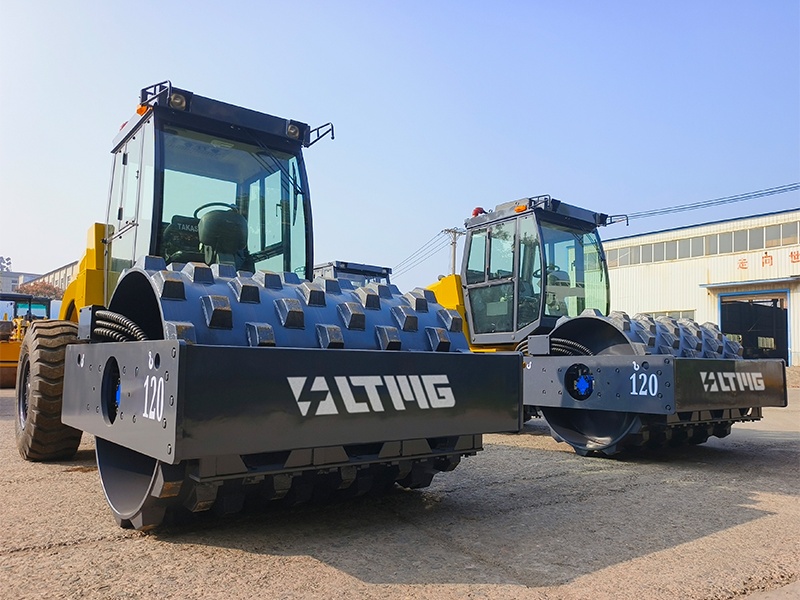
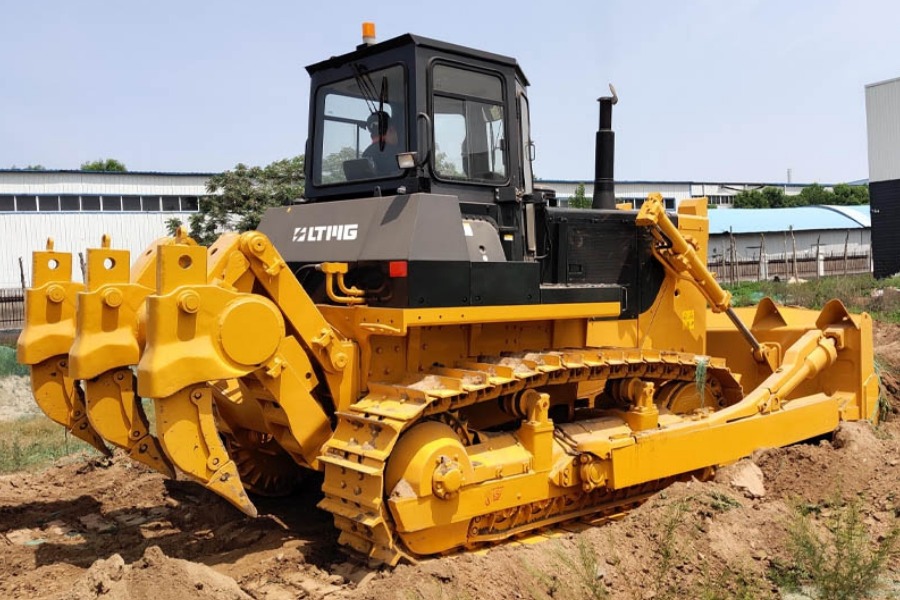
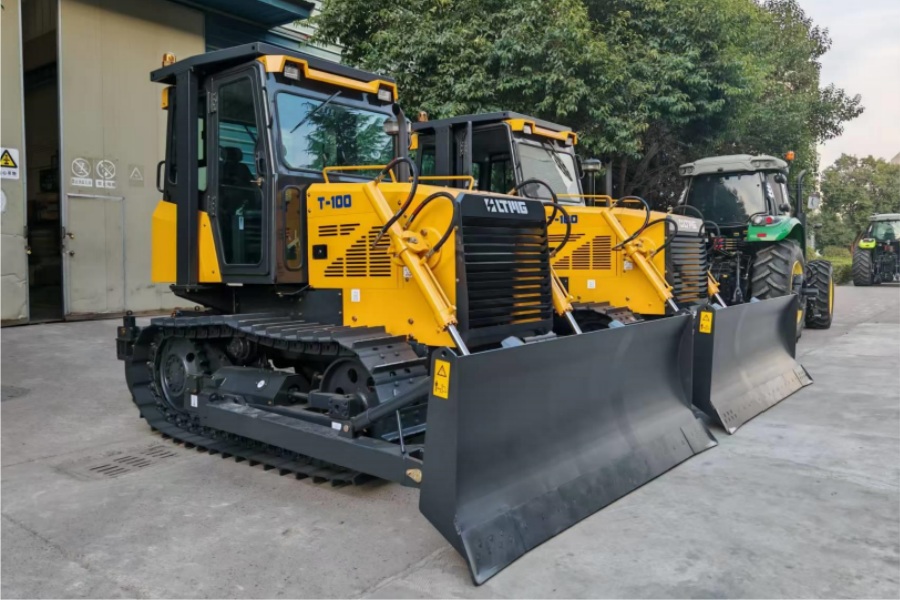
    In road construction and earthmoving projects, one of the most common questions contractors face is: Should I use a bulldozer or a motor grader for leveling the ground? In some projects, even after using a bulldozer for initial grading, the surface still cannot meet final flatness requirements. In other cases, customers are unsure whether they need to add a motor grader to achieve higher precision. Based on LTMG’s global project experience, this issue is usually not about machine capability, but about matching the right equipment to the right construction stage. Although both machines are used for ground preparation, they serve very different purposes. So how should you choose in real construction projects? And when should bulldozers and motor graders work together? What Is the Difference Between a Bulldozer and a Motor Grader? A bulldozer and a motor grader are two essential machines used in different stages of road construction. Many users confuse their roles, which often leads to inefficient equipment selection or unsatisfactory results. What Is a Bulldozer? A bulldozer is a heavy-duty earthmoving machine designed for pushing, cutting, and relocating large volumes of soil. Its main function is not precision leveling, but rapid terrain shaping and earthwork preparation. In road construction, a bulldozer is typically used in the early stage for: Clearing obstacles and site preparation Moving and pushing large volumes of soil Filling low-lying areas and rough grading Forming the initial road base In simple terms, a bulldozer turns raw land into a workable construction foundation. It is commonly referred to as a crawler dozer in many engineering projects. What Is a Motor Grader? A motor grader is a precision finishing machine used for fine grading work. Unlike bulldozers, its strength is not in material movement but in accuracy and surface control. It is mainly used in the middle and final stages of road construction. Typical applications include: Fine grading of road surfaces Controlling slope and drainage structure Surface finishing of the road base Preparing the surface for paving or compaction In simple terms, a motor grader refines an already formed surface into a standardized and precise roadway. Bulldozer vs Motor Grader: Key Differences Category Bulldozer Motor Grader Main function Earthmoving & shaping Precision finishing Construction stage Early stage Middle & final stage Focus Power & efficiency Accuracy & control Output goal Form basic terrain Achieve road standard Replaceability Cannot replace grader Cannot replace bulldozer How to Choose the Right Machine Quickly? In real construction scenarios, you can use a simple decision logic: If the site is still raw land and requires large-scale earthmoving → use a bulldozer If the ground is already formed but not smooth enough → use a motor grader For complete road construction projects → both machines are required In short: Bulldozer = creates the foundation Motor grader = completes the surface standard LTMG Road Construction Equipment Solutions In road construction, the key is not what machines can do, but whether they are used in the correct stage. LTMG provides both bulldozers and motor graders designed for different construction phases: earth formation and surface finishing. LTMG 220HP Bulldozer (Heavy-Duty Earthmoving Projects) Ideal for: Large-scale soil pushing Road base formation Mining and highway construction projects Featured model: LTMG T220 bulldozer This machine is equipped with a Cummins NT855-C280S10 engine (175kW), with an operating weight of 23.5 tons and a 6.4m³ large-capacity blade. It delivers strong productivity for heavy earthmoving tasks, with a maximum traction force of 202kN, ensuring stable performance in demanding conditions. Product link: 220HP Bulldozer with Cummins Engine LTMG T100 Bulldozer (Small to Medium Projects) Ideal for: Urban road construction Small earthmoving projects Site preparation works LTMG 180HP Motor Grader (Precision Finishing Stage) Ideal for: Final road leveling Slope and drainage control Surface preparation before paving or compaction Featured model: LTMG LG180 motor grader This model is powered by a 132kW (180HP) Cummins 6BTA5.9 engine, with an operating weight of 16 tons and a 3965mm moldboard. It provides excellent grading efficiency and surface precision, with a maximum travel speed of 38.2 km/h, improving overall construction efficiency. Product link: Powerful 180HP Motor Grader   Both bulldozers and motor graders are suited to different construction stages and tasks. Choosing the right equipment not only improves construction efficiency, but also helps reduce rework and additional costs. Common Mistakes in Bulldozer and Motor Grader Selection In road construction projects, issues are often not caused by machine performance, but by incorrect equipment selection or improper working sequence. Based on LTMG experience, the following are the most common mistakes that lead to rework and higher costs. Using a bulldozer for final finishing After initial earthmoving with a bulldozer, some projects continue using it for final surface finishing. However, bulldozers are designed for rough grading, not precision work. They cannot provide accurate slope control or surface finishing, which often results in uneven roads and poor drainage. Using a motor grader too early Using a motor grader before the subgrade is stable or properly compacted can reduce grading accuracy. Although the machine can operate, unstable ground makes it difficult to achieve the required precision and may affect overall efficiency. Ignoring construction sequence In road construction, correct sequencing is critical. Even high-performance machines like a crawler dozer or road grader cannot deliver good results if used at the wrong stage. Proper workflow ensures better quality and fewer rework costs. Conclusion In road construction and earthmoving projects, bulldozers and motor graders serve completely different purposes. A bulldozer (crawler dozer) is used for early-stage earthmoving and road base formation. A motor grader is used for precision finishing and slope control. If you are planning a road construction project but are unsure how to configure your equipment, LTMG can provide tailored solutions based on your working conditions, helping you reduce trial-and-error costs and improve efficiency. FAQs What is a bulldozer? A bulldozer is an earthmoving machine used for pushing, clearing, and shaping soil. It is widely used in road construction, mining, and site preparation. It is mainly used in the early stage of projects to create a workable base for further construction. How to operate a crawler dozer? Before operating a crawler dozer, check fuel, hydraulic systems, and track conditions. After startup, control direction, speed, and blade position to perform pushing and leveling tasks. Operators should be professionally trained and follow the equipment manual strictly to ensure safety and efficiency. What is a motor grader? A motor grader is a precision grading machine used for leveling surfaces and controlling slope. It is commonly used in road construction and finishing work to ensure smoothness and drainage accuracy.
  • Tractor Horsepower Guide: 50HP vs 80HP vs 90HP
    Tractor Horsepower Guide: 50HP vs 80HP vs 90HP Jun 23, 2026
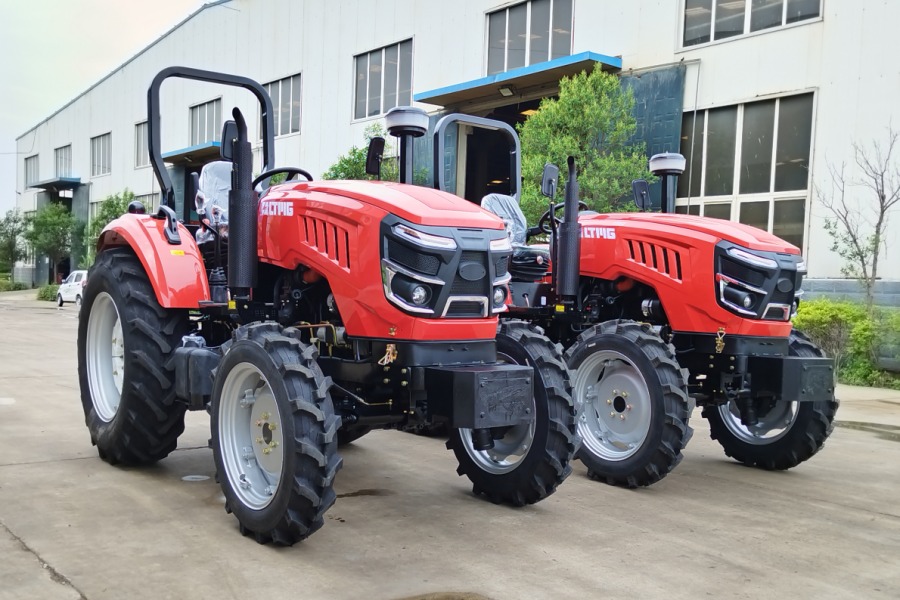
    When selecting a tractor, horsepower is one of the most important—and most commonly misunderstood—factors. An improper choice can lead to either insufficient power that reduces working efficiency, or excessive horsepower that increases fuel consumption and operating costs. In reality, choosing a compact tractor or farm tractor is not about picking the biggest number. It is about matching the machine with real field requirements, working conditions, and implement compatibility. This guide compares three common models—50HP, 80HP, and 90HP—to help you make a more practical decision. 50HP vs 80HP vs 90HP Tractors: Practical Application Comparison Choosing tractor horsepower is essentially about balancing efficiency, operating cost, and implement compatibility. A properly matched diesel tractor ensures stable implement performance, avoids repeated passes in the field, and prevents unnecessary fuel waste caused by over-sizing. That’s why horsepower should always be selected based on actual farming needs rather than specifications alone. Below is a breakdown of three representative LTMG 4WD tractor models. 50HP Tractor (Small Farms / Orchards / Light Work) A 50HP tractor is a light-duty agricultural machine designed for small farms, orchards, and precision farming applications. It offers a good balance between fuel efficiency and maneuverability, making it a popular entry-level option among small tractors. The LY504 model is equipped with a 50HP (36.8kW) diesel engine and a 4WD system, providing stable traction across various terrains. It offers optional transmission systems such as 8F+2R or 8F+8R, a standard 540 rpm PTO, and a hydraulic lifting capacity of around 10–15 kN, making it suitable for rotary tilling, light plowing, and transport tasks. Suitable for: 1–5 hectare small farms Orchards and vegetable fields Hilly or fragmented land Typical Applications: Orchard mowing and spraying Light rotary tillage Basic soil preparation Short-distance transport Key Advantages: Easy to operate, suitable for beginners Low fuel consumption and high efficiency Simple structure with low maintenance cost Highly maneuverable for orchard row work A 50HP unit is an ideal entry-level compact tractor solution for users seeking cost efficiency and basic multifunctional farming capability. 80HP Tractor (All-Purpose Mid-Size Farm Workhorse) The 80HP tractor is one of the most widely used mid-range farm tractors globally. It is a true all-rounder suitable for most standard agricultural operations. The LTB804 model features an 80HP (58.8kW) diesel engine and a 4WD drivetrain, delivering stable traction across complex field conditions. With multiple transmission options, a standard 540 rpm PTO, and a hydraulic lifting capacity of 20–25 kN, it is compatible with plowing, rotary tilling, and medium-duty implements. Suitable for: 5–15 hectare medium farms Multi-crop farming operations Mixed terrain or variable soil conditions Typical Applications: Plowing, harrowing, and land preparation Seeding and field management Medium-duty implement towing Farm transport and material handling Key Advantages: Strong and stable power output Wide compatibility with implements High operational efficiency Balanced fuel consumption and performance The 80HP category is often considered the most balanced choice among tractors for sale, making it a reliable standard option for most agricultural users. 90HP Tractor (Heavy-Duty & Large Farm Operations) The LTB904 90HP tractor is designed for high-intensity agricultural work. It is powered by a 90HP (66.15kW) turbocharged diesel engine and equipped with a reinforced chassis for heavy-duty applications. It features a 12F+12R transmission with dual-acting clutch, dual-speed PTO (540/1000 rpm), and a strong hydraulic system, making it suitable for larger and more demanding implements. Suitable for: 15–30+ hectare large farms Commercial agriculture operations Hard soil, clay, or uncultivated land Continuous heavy-duty field work Typical Applications: Deep plowing and land reclamation Heavy implement towing Long-duration field operations Bulk material transport High-intensity multi-implement work Key Advantages: High power output for heavy implements Excellent efficiency in large field operations Strong stability under load Considerations: Higher fuel consumption Less suitable for small or fragmented fields Higher overall operating cost The 90HP model is ideal for users who need maximum productivity from a high-performance 4WD tractor in demanding agricultural environments. Common Tractor Implements and Compatibility The real performance of a tractor depends heavily on how well it matches agricultural implements. Rotary Tiller One of the most commonly used soil preparation tools. Suitable for most soil conditions High working efficiency Requires stable PTO output Mower (Rotary Cutter) Used for grass cutting and vegetation control. Ideal for orchards and pasture maintenance Low power requirement Relies on stable PTO performance Disc Harrow Used for post-plowing soil leveling and breaking clods. Improves soil structure Enhances seedbed quality Medium power requirement Ditcher / Post Hole Digger Used in orchards and infrastructure farming. Tree planting holes Irrigation ditching Farm infrastructure construction From a practical perspective, a tractor’s capability is defined not only by horsepower, but also by how effectively it integrates with implements. A well-matched system significantly improves productivity and reduces operating costs. Conclusion Choosing the right tractor requires evaluating multiple factors, including farm size, soil conditions, implement type, and operational intensity. There is no universal solution, only the right match for your specific application. Whether you are looking for a compact tractor for sale, a versatile mid-range farm tractor, or a heavy-duty 4WD model for large-scale operations, proper selection ensures better efficiency and long-term cost savings. At LTMG, we provide tailored recommendations based on real working conditions, helping customers select the most suitable tractor and implement combination. This ensures maximum productivity, lower operating costs, and a better return on investment for every agricultural project. FAQs What size tractor do I need for a small farm? For small farms, a 50HP–60HP tractor is usually sufficient for basic field work, mowing, and light transport. It offers a good balance between power, fuel efficiency, and maneuverability. What is the difference between 80HP and 90HP tractors? An 80HP tractor is more suitable for standard medium farm operations, while a 90HP tractor provides higher torque and better performance for heavy-duty work and more complex field conditions. What attachments can be used with a farm tractor? Farm tractors can work with various attachments such as plows, rotavators, trailers, loaders, and seeders. The compatibility depends on PTO power, hydraulic capacity, and tractor horsepower.  
  • Top 5 Mistakes to Avoid When Buying a Wheel Loader
    Top 5 Mistakes to Avoid When Buying a Wheel Loader Jun 22, 2026
    In the selection process of a wheel loader, many users tend to focus on price, tonnage, or appearance. However, in real-world applications, these surface-level factors cannot fully reflect the actual performance of a machine under specific working conditions. Based on LTMG’s global experience in construction machinery projects, different job sites require different performance configurations. Relying only on a single parameter when choosing a wheel loader for sale can easily lead to mismatched efficiency and higher operating costs in later use. Below are five of the most common selection mistakes that often affect equipment performance and productivity. 1. Judging a Wheel Loader Only by Tonnage Many buyers assume: “A 7-ton wheel loader is always stronger than a 5-ton model.” While this may seem logical, it is not always accurate in real applications. The actual performance of a wheel loader depends on both tonnage and working condition compatibility. Tonnage is only a basic indicator; the key is whether the machine matches the jobsite requirements. LTMG Wheel Loader Range and Application Logic In the LTMG product line, models such as LT925, LT958, and LT978 are not simply scaled-up versions of each other. They represent three different application levels for different working intensities: LT925 (2.5 ton) – Light Duty Mini Wheel Loader Segment A compact and flexible mini wheel loader designed for low-load, high-frequency operations such as: Farm material handling Small construction sites Short-distance loading and transfer Core advantages: High maneuverability Low fuel consumption Ideal for tight working spaces Its strength lies not in heavy lifting, but in efficiency and flexibility.     LT958 (5 ton)– Standard Wheel Loader for General Construction This is the most widely used segment of the wheel loader for sale market, suitable for: Aggregate yards Concrete batching plants Municipal construction projects Core advantages: Balanced efficiency and stability Suitable for continuous medium-to-high intensity work Optimal fuel-to-performance ratio This is often the most frequently selected wheel loader class in real projects.     LT978 (7 ton class)– Heavy Duty High-Capacity Wheel Loader Designed for large-scale and heavy-duty applications such as: Mining operations Large aggregate stockyards High-volume loading systems With specifications such as 7-ton load capacity, 4–6 m³ bucket, and high-power engine systems, this wheel loader for sale focuses on: Maximum single-cycle productivity Continuous high-load performance Large material handling efficiency Its core value is production output per hour, not operational flexibility.   Same “tonnage upgrade,” the actual differences are: LT925 → flexibility-oriented LT958 → balanced efficiency LT978 → maximum productivity Therefore, in the selection process of wheel loaders, tonnage alone should not be used as the sole criterion, and it is not recommended to blindly pursue larger models. Instead, the focus should be on matching the equipment to the specific working conditions and job requirements. An increase in tonnage does not necessarily lead to higher efficiency. In mismatched operating conditions, it may actually result in higher fuel consumption, reduced operating efficiency, and increased overall operating costs. 2. Ignoring Bucket Capacity and Cycle Efficiency Many users assume: “Same tonnage means similar efficiency.” In reality, productivity depends on: Single load volume × cycle speed This is where bucket capacity plays a critical role for any wheel loader. Bucket Capacity vs Working Efficiency Model Tonnage Bucket Capacity Work Characteristics Suitable Applications LT925 2.5 ton 1.3 m³ High flexibility, fast cycles Farms, small sites LT958 5 ton 3 m³ Balanced performance Aggregate yards, batching plants LT978 7 ton 4–6 m³ High-capacity loading Mining, large-scale yards   Although larger wheel loaders typically come with bigger buckets, bucket size must always match rated load capacity. Oversized buckets may lead to: Insufficient power Reduced stability Faster wear of hydraulic and structural components 3. Ignoring Hydraulic System and Engine Matching When choosing a wheel loader, many users focus on engine power alone. However, the hydraulic system determines the real working efficiency. Hydraulic System Defines Cycle Speed The hydraulic system of a wheel loader’s working attachment is primarily responsible for controlling: Boom lifting and lowering (raising and lowering) Bucket tilting (dumping and retraction) Its performance is typically evaluated through three key time indicators: Boom lifting time Bucket tilting time Boom lowering time The total of these three times directly forms the core operating cycle time of a complete working process. The shorter the cycle time, the more operating cycles the machine can complete within a given period, and the higher the overall efficiency. Only when the hydraulic response speed is properly matched with the entire machine can the equipment achieve high efficiency and stable performance in real working conditions. 4. Ignoring Tire and Ground Condition Compatibility A wheel loader for sale must be selected based on the actual working surface. Different ground conditions significantly affect performance: Soft soil / muddy ground: Lower traction, higher slippage, reduced efficiency Rocky surfaces: Faster tire wear, higher maintenance cost Concrete/asphalt surfaces: Higher speed and efficiency, but higher structural load in heavy-duty work Ignoring ground conditions may result in: Slippage and efficiency loss Increased operating costs Reduced safety and stability   5. Focusing Only on Purchase Price Instead of Lifecycle Cost Many buyers compare only the initial price when selecting a wheel loader for sale, but real cost includes: Fuel consumption Maintenance cost Spare part replacement cycle Downtime losses In long-term operations, these hidden costs often exceed the initial price difference. From LTMG’s design philosophy, modern wheel loaders are optimized not only for performance but also for lower lifecycle cost and higher operational efficiency. Conclusion Selecting the right wheel loader is not about choosing the biggest or the most expensive machine. It is about matching the equipment to real working conditions. Whether you are looking for a mini wheel loader for small sites or a heavy-duty model for mining operations, the key is to ensure proper alignment between: Work condition + machine capability + efficiency requirement If you are evaluating a wheel loader for sale or unsure which model best fits your project, LTMG team can provide tailored recommendations based on your specific application needs, helping you achieve the best balance between productivity and cost.  
  • Hướng dẫn lựa chọn và ứng dụng máy xúc bánh lốp trong đô thị
    Hướng dẫn lựa chọn và ứng dụng máy xúc bánh lốp trong đô thị Jun 17, 2026
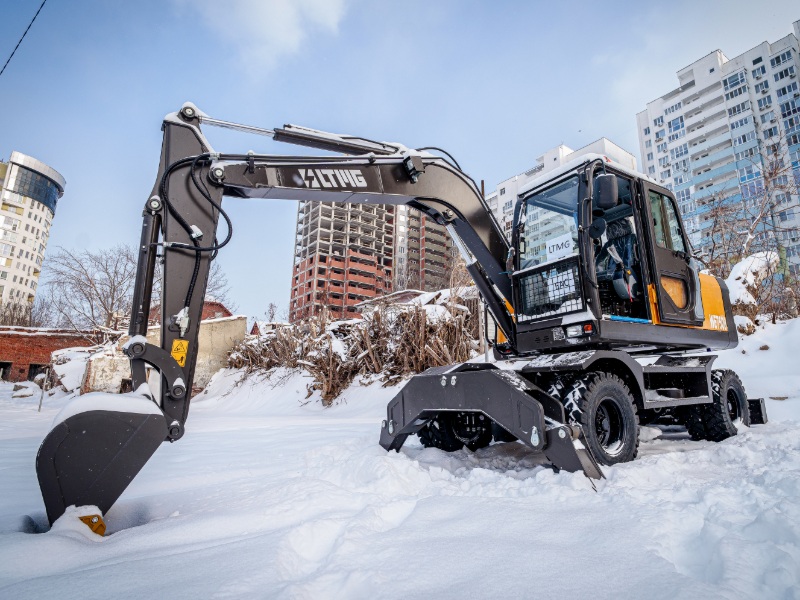
    Với sự phát triển hiệu quả và tinh tế hơn trong xây dựng đô thị, thiết bị hiện đại không chỉ đáp ứng nhu cầu đào bới cơ bản mà còn phải đảm bảo an toàn đường sá, hiệu quả vận hành và tính linh hoạt. Do đó, máy xúc bánh lốp đã trở thành lựa chọn quan trọng cho các dự án xây dựng đô thị và trên địa hình bằng phẳng.Máy xúc bánh lốp (hay máy xúc có bánh xe) là một loại máy xúc có lốp cao su, kết hợp khả năng đào đất với khả năng di chuyển nhanh tự hành trên quãng ngắn.Những ưu điểm chính của nó bao gồm:Thiệt hại tối thiểu đối với đường trải nhựa.Di chuyển nhanh giữa các địa điểm làm việcKhả năng cơ động cao và triển khai linh hoạtKhả năng thích ứng cao với môi trường đô thị và bề mặt cứng.Ngược lại, máy xúc bánh xích phù hợp hơn với địa hình phức tạp như bùn, đất mềm và môi trường khai thác mỏ, nơi độ ổn định và lực kéo quan trọng hơn.Nói một cách đơn giản:Máy xúc bánh lốp = Đường đô thị / công trình công cộng / di chuyển tần suất caoMáy xúc bánh xích = San lấp mặt bằng / khai thác mỏ / địa hình gồ ghềBài viết này sử dụng các mẫu LTMG điển hình (7 tấn, 15 tấn, 21 tấn) từ LTMG làm ví dụ để phân tích logic ứng dụng thực tế và chiến lược lựa chọn.Ưu điểm về hiệu quả của máy xúc bánh lốpGiá trị của máy xúc bánh lốp không chỉ nằm ở "khả năng di chuyển trên đường", mà còn ở khả năng cải thiện đáng kể hiệu quả xây dựng tổng thể trong các môi trường làm việc cụ thể.Ứng dụng kỹ thuật đường đô thị và công trình đô thị1. Bảo trì và tái thiết đường bộTrên các tuyến đường cao tốc đô thị, đường phụ và đường phố khu dân cư, việc bảo vệ mặt đường là vô cùng quan trọng. Máy xúc bánh lốp sử dụng lốp cao su thay vì xích, giúp giảm thiểu hư hại cho mặt đường nhựa và bê tông.Trong môi trường nhạy cảm về giao thông, nó có thể nhanh chóng di chuyển vào và ra khỏi khu vực thi công, giảm thiểu sự gián đoạn cho người tham gia giao thông.2. Sửa chữa tiện ích và các trường hợp khẩn cấpĐối với các đường ống ngầm như đường ống thoát nước, cáp điện và hệ thống khí đốt, điều kiện làm việc thường bao gồm:Các điểm làm việc phân tánHạn chót gấp rútĐộ nhạy cảm giao thông caoMáy xúc bánh lốp dùng trong các đội xe công vụ của thành phố được đánh giá cao vì nó có thể di chuyển trực tiếp giữa các công trường mà không cần thiết bị vận chuyển bổ sung, giúp cải thiện đáng kể tốc độ phản ứng khẩn cấp.3. Các dự án cảnh quan và công viênTại các công viên, quảng trường và khu vực dành cho người đi bộ, việc bảo vệ bề mặt là vô cùng cần thiết.Máy xúc bánh lốp có thể thực hiện các hoạt động đào và xúc mà không làm hư hại các công trình cảnh quan đã hoàn thiện như lát đá hoặc lát gạch, đồng thời vẫn duy trì khả năng cơ động cao.Ứng dụng tại công trường xây dựng và địa hình bằng phẳng1. Các công trường xây dựng đa điểmTrong các dự án cải tạo đô thị hoặc các dự án cơ sở hạ tầng nhỏ, máy móc thường cần di chuyển thường xuyên giữa nhiều địa điểm khác nhau.Máy xúc mini bánh lốp hoặc máy xúc cỡ trung bánh lốp có thể di chuyển trực tiếp trong công trường mà không cần rơ moóc, giúp tối ưu hóa việc sử dụng thiết bị.2. Bề mặt công nghiệp và bề mặt cứngTại các khu công nghiệp, nhà kho và bãi lắp ghép, bề mặt đất thường là bê tông hoặc đất nén chặt.Máy xúc bánh lốp hoạt động tốt trong điều kiện như vậy với:Hiệu quả di chuyển caoKhông có hư hại bề mặtKhả năng xếp dỡ và vận chuyển liên tục3. Công việc san lấp mặt bằng quy mô nhỏ đến trung bìnhTrên nền đất cứng hoặc khô, máy xúc bánh lốp có thể thực hiện hiệu quả các công việc đào rãnh, bốc xếp và đào đất cơ bản. Với chân chống được triển khai đúng cách, chúng có thể duy trì độ ổn định khi làm việc cho hầu hết các ứng dụng đô thị.Hướng dẫn lựa chọn mẫu máy xúc bánh lốp LTMGLTMG cung cấp một loạt máy xúc bánh lốp được thiết kế cho các yêu cầu công việc khác nhau, từ các công trình đô thị nhỏ gọn đến các ứng dụng công nghiệp hạng nặng.Máy xúc bánh lốp nhỏ gọn 7 tấn (Linh hoạt trong đô thị)Được thiết kế cho những con phố hẹp và không gian chật chội, máy xúc bánh lốp 7 tấn tập trung vào tính cơ động và cấu trúc nhỏ gọn. Nó lý tưởng cho việc bảo trì cộng đồng, làm vườn và các dự án nhỏ của thành phố.Ví dụ: Máy xúc bánh lốp LTMG 7 tấnThông số hiệu suấtMáy xúc bánh lốp LTMG 7 tấnTrọng lượng vận hành7.000 kgDung tích xô0,21 m³Độ sâu đào tối đa3820 mmCông suất định mức62,5 kW/ 2200 vòng/phútTốc độ di chuyển0-28 km/h Máy xúc bánh lốp cỡ trung 15 tấn (Hiệu suất cân bằng)Máy xúc bánh lốp 15 tấn mang lại sự cân bằng giữa sức mạnh đào và tính cơ động. Nó được sử dụng rộng rãi trong các công trình đô thị, khu công nghiệp và các nhiệm vụ san lấp mặt bằng quy mô vừa.Ví dụ: Máy xúc bánh lốp LTMG 15 tấnThông số hiệu suấtMáy xúc bánh lốp LTMG 15 tấnTrọng lượng vận hành15000 kgDung tích xô0,6 m³Độ sâu đào tối đa5180 mmCông suất định mức110KW/2000RPM Máy xúc bánh lốp hạng nặng 21 tấn (năng suất cao)Máy xúc bánh lốp 21 tấn được thiết kế để vận chuyển vật liệu hạng nặng và thực hiện các dự án xây dựng quy mô lớn trên mặt bằng phẳng.Nó hoạt động đặc biệt tốt trong:Xử lý vật liệu rờiCác công trường xây dựng lớnHoạt động xếp dỡ công nghiệpVí dụ: Máy xúc bánh lốp LTMG 21 tấnHướng dẫn an toàn và bảo dưỡng hàng ngày cho máy xúc bánh lốpTrong môi trường làm việc đô thị và địa hình bằng phẳng, việc vận hành an toàn và bảo dưỡng đúng cách máy xúc bánh lốp có thể đảm bảo hiệu quả sự ổn định hoạt động và kéo dài tuổi thọ của máy.An toàn khi lái xeDo máy xúc bánh lốp thường xuyên di chuyển giữa các công trường trên đường trải nhựa, các vấn đề về lốp, hệ thống phanh hoặc hệ thống lái có thể làm tăng nguy cơ va chạm nhỏ hoặc hư hỏng mặt đường. Vì vậy, cần đặc biệt chú ý đến những điều sau:Tình trạng lốp xe: Thường xuyên kiểm tra áp suất lốp, độ mòn gai lốp, hiện tượng mòn không đều và bất kỳ dấu hiệu hư hỏng nào.Hệ thống phanh: Đảm bảo hệ thống phanh phản ứng nhanh chóng và đáng tin cậy để giảm thiểu nguy cơ tai nạn do phanh chậm trễ.Hệ thống lái và chiếu sáng: Duy trì khả năng điều khiển chính xác và đảm bảo tầm nhìn đầy đủ trong các hoạt động ban đêm hoặc trong môi trường làm việc phức tạp.Việc duy trì hệ thống giao thông trong tình trạng tốt là điều cần thiết không chỉ để đảm bảo an toàn cho thiết bị mà còn để giảm thiểu tác động của các hoạt động xây dựng lên đường sá công cộng và giao thông xung quanh.Tính ổn định hoạt độngKhác với máy xúc bánh xích, máy xúc bánh lốp không có độ ổn định tương đương, và trọng tâm của chúng có thể dịch chuyển dễ dàng hơn trong quá trình hoạt động. Trước khi thực hiện các công việc đào, vận chuyển hoặc nâng vật liệu, người vận hành nên thực hiện các biện pháp phòng ngừa sau:Hạ hoàn toàn chân chống hoặc lưỡi ủi: Tạo nhiều điểm tựa để cải thiện độ ổn định của máy.Đảm bảo máy được đặt thăng bằng: Đặt máy xúc trên bề mặt ổn định và bằng phẳng để tránh sự dịch chuyển trọng tâm.Kiểm soát phạm vi làm việc và tốc độ vung tay: Tránh với tay quá xa và vung đồ quá nhanh để giảm nguy cơ bị đổ.Khi làm việc trong không gian chật hẹp hoặc trên bề mặt lát đá, những quy tắc này rất cần thiết không chỉ để đảm bảo an toàn mà còn để duy trì độ chính xác và năng suất cao.Kiểm tra thành phần chínhDo tính cơ động cao của máy xúc bánh lốp, các bộ phận quan trọng thường cần bảo trì thường xuyên hơn so với thiết bị truyền thống. Cần đặc biệt chú ý đến các hệ thống sau:Trục và hệ thống truyền động: Thường xuyên kiểm tra mức dầu hộp số và tình trạng bôi trơn để phòng ngừa các sự cố liên quan đến hộp số.Hệ thống thủy lực: Kiểm tra tình trạng đường ống thủy lực, gioăng và ống mềm, đồng thời theo dõi độ sạch của dầu thủy lực để ngăn ngừa rò rỉ và hoạt động kém hiệu quả.Hệ thống lốp: Kiểm tra độ mòn, tuổi thọ và tình trạng tải trọng để giảm nguy cơ hỏng lốp hoặc mất độ bám đường.Việc kiểm tra định kỳ các bộ phận quan trọng này có thể giúp giảm thiểu thời gian ngừng hoạt động ngoài dự kiến ​​và đảm bảo năng suất làm việc liên tục tại công trường.Khuyến nghị bảo trì hàng ngàyĐể đảm bảo thiết bị hoạt động ổn định lâu dài, nên lập kế hoạch bảo trì định kỳ:Kiểm tra hàng ngày: Kiểm tra lốp xe, đèn và hệ thống thủy lực xem có bất thường gì không.Kiểm tra hàng tuần: Kiểm tra hệ thống phanh, chân chống và các điểm kết nối cấu trúc quan trọng.Bảo trì định kỳ: Thay dầu thủy lực, bộ lọc và dầu bôi trơn hộp số theo định kỳ được khuyến nghị.Bảo trì đúng cách giúp tăng đáng kể thời gian hoạt động của máy móc và lợi tức đầu tư.Phần kết luậnViệc lựa chọn thiết bị nên chuyển từ tư duy thuần túy về sức mạnh sang tư duy phù hợp với từng tình huống cụ thể. Trong các môi trường như xây dựng đô thị và các dự án mặt đường cứng với nhu cầu di dời thường xuyên, máy xúc bánh lốp là lựa chọn chiến lược để nâng cao hiệu quả và tính linh hoạt.Cho dù bạn đang tìm mua máy xúc bánh lốp, máy xúc mini bánh lốp hay máy xúc bánh lốp thông thường, việc lựa chọn tải trọng phù hợp với quy mô dự án là chìa khóa để tối đa hóa năng suất.Để biết thêm chi tiết về máy móc, hãy truy cập trang sản phẩm của LTMG hoặc liên hệ với đội ngũ của chúng tôi để được tư vấn giải pháp phù hợp.Câu hỏi thường gặpMáy xúc có bánh xe được gọi là gì?Máy xúc có bánh xe thường được gọi là máy xúc bánh lốp hoặc máy xúc bánh lốp. Không giống như máy xúc bánh xích, nó sử dụng lốp cao su, cho phép di chuyển nhanh hơn và linh hoạt hơn trên đường nhựa và các công trường đô thị.Có hai loại máy xúc nào?Hai loại máy xúc chính là:Máy xúc bánh xích – Thích hợp nhất cho địa hình gồ ghề, đất lầy lội và công tác đào bới hạng nặng.Máy xúc bánh lốp – Thích hợp nhất cho các bề mặt trải nhựa, công trình xây dựng đường sá và các dự án yêu cầu di dời thường xuyên.Máy xúc bánh lốp có những nhược điểm gì?Máy xúc bánh lốp có khả năng vận hành trên địa hình gồ ghề và độ ổn định thấp hơn so với máy xúc bánh xích. Trên nền đất mềm hoặc không bằng phẳng, nó có thể cần đến chân chống để vận hành an toàn.Máy xúc bánh lốp được sử dụng để làm gì?Máy xúc bánh lốp thường được sử dụng trong xây dựng đường sá, các dự án đô thị, lắp đặt tiện ích, cảnh quan và các ứng dụng đô thị khác, nơi tính cơ động và việc vận chuyển nhanh chóng đến công trường là rất quan trọng.Làm thế nào để chọn máy xúc bánh lốp phù hợp cho công trường?Chọn máy xúc mini bánh lốp (3–8 tấn) cho các công việc nhỏ, máy xúc bánh lốp 8–15 tấn cho xây dựng nói chung, và máy xúc bánh lốp từ 15 tấn trở lên cho các dự án san lấp mặt bằng và vận chuyển vật liệu quy mô lớn.
  • Máy xúc lật bánh xích so với máy xúc lật bánh lốp: Chọn loại máy phù hợp cho công việc?
    Máy xúc lật bánh xích so với máy xúc lật bánh lốp: Chọn loại máy phù hợp cho công việc? May 29, 2026
    Máy xúc lật bánh xích là một loại máy xây dựng nhỏ gọn, đa năng và hiệu quả cao, được sử dụng rộng rãi trong bảo dưỡng đường sá, cảng biển, nhà máy, xây dựng đô thị, chăn nuôi và nhiều ứng dụng khác. Trong thực tế sử dụng, các điều kiện làm việc khác nhau không chỉ ảnh hưởng đến việc lựa chọn máy móc mà còn trực tiếp quyết định sự phù hợp giữa khả năng vận hành và hiệu suất. Chọn đúng mẫu máy là điều cần thiết để nâng cao hiệu quả và giảm chi phí vận hành.LTMG có thể cung cấp hướng dẫn lựa chọn máy xúc lật mini và các giải pháp ứng dụng thực tiễn dựa trên các yêu cầu khác nhau của công trường, giúp khách hàng nhanh chóng lựa chọn thiết bị phù hợp cho dự án của họ.So sánh giữa máy xúc lật bánh xích và máy xúc lật bánh lốpMáy xúc lật mini chủ yếu được chia thành máy xúc lật mini bánh lốp và máy xúc lật mini bánh xích dựa theo hệ thống truyền động của chúng. Trong thực tế lựa chọn máy, không có loại nào hoàn toàn tốt hơn loại kia. Sự khác biệt chính nằm ở khả năng thích ứng với điều kiện địa hình và cường độ công việc.Máy xúc lật bánh lốpKhả năng thích ứng cao và vận hành linh hoạt.Thích hợp cho đường trải nhựa, nhà xưởng, nhà kho, cảng và các bề mặt cứng.Tốc độ di chuyển và hiệu quả làm việc cao hơn trên địa hình bằng phẳng.Máy xúc lật bánh xíchLực kéo mạnh và độ ổn định cao hơnThích hợp cho đất lầy, vùng đất ngập nước, bãi biển, rừng, bãi cỏ và địa hình mềm.Khả năng nổi tốt hơn và giảm áp lực lên mặt đất.Nói một cách đơn giản:Địa hình càng phức tạp và khối lượng công việc càng nặng → hãy chọn máy xúc lật bánh xích.Địa hình càng bằng phẳng và yêu cầu về hiệu suất càng cao → hãy chọn máy xúc lật bánh lốp.Các tính năng chính của máy xúc lật bánh xíchNhờ cấu trúc nhỏ gọn và thiết kế đa chức năng, máy xúc lật bánh xích có thể dễ dàng thích nghi với nhiều môi trường làm việc phức tạp.Thiết kế nhỏ gọn và linh hoạtKích thước nhỏ gọn của máy cho phép vận hành trong không gian hẹp hoặc chật chội.Hệ thống lái xoay 360° không cần quay đầuBán kính quay cực nhỏ mang lại khả năng cơ động tuyệt vời và tính linh hoạt cao tại công trường.Khả năng ứng dụng đa dạng mạnh mẽHỗ trợ thay thế nhanh chóng các phụ kiện máy xúc lật bánh xích khác nhau ngay tại công trường.Dễ sử dụngHệ thống điều khiển trực quan với thời gian học ngắn, cho phép người vận hành nhanh chóng làm quen với máy móc.Hiệu quả làm việc ổn địnhDuy trì hiệu suất cao ngay cả khi chuyển đổi giữa nhiều nhiệm vụ hoặc làm việc trong không gian chật hẹp. Khuyến nghị lựa chọn máy xúc lật bánh xích cho các ứng dụng khác nhauTrong thực tế, việc lựa chọn máy xúc lật bánh xích không chỉ phụ thuộc vào thông số kỹ thuật của máy mà còn phải phù hợp với điều kiện làm việc, cường độ khối lượng công việc và môi trường địa hình.Dưới đây là một số kịch bản ứng dụng điển hình cùng với các giải pháp máy móc được đề xuất.Ứng dụng công việc nhỏ gọn, tải nhẹ(Đô thị / Cảnh quan / Trong nhà / Vận chuyển vật liệu nhẹ)Điều kiện làm việc điển hìnhKhông gian làm việc hạn chế, chẳng hạn như khu vực đô thị, các dự án trong nhà và khu vườn.Chủ yếu là các bề mặt được lát đá.Chủ yếu được sử dụng cho việc vận chuyển vật liệu, bốc xếp và làm cảnh quan.Chu kỳ vận hành thường xuyên với tải trọng tương đối nhẹYêu cầu cốt lõiTính linh hoạtKhả năng cơ độngHiệu quả hoạt độngMẫu được đề xuất: Máy xúc lật bánh xích LTMG LT65Máy xúc lật bánh lốp này có tải trọng định mức 950 kg. Với khả năng lái linh hoạt và tốc độ di chuyển nhanh, nó phù hợp cho việc chuyển đổi nhanh chóng giữa các nhiệm vụ có tần suất cao trong môi trường làm việc chật hẹp.Trọng lượng khi vận hành: 3400 kgDung tích xô: 0,5 m³Máy xúc lật bánh xích cỡ nhỏ dành cho địa hình phức tạp(Đất bùn / Không gian hẹp / Kết cấu nhẹ)Điều kiện làm việc điển hìnhMặt đất mềm, lầy lội hoặc không ổn địnhKhông gian hoạt động hạn chếChủ yếu được sử dụng trong xây dựng nhẹ, vận chuyển vật liệu và các công việc đòi hỏi độ chính xác cao.Yêu cầu cốt lõiKhả năng đi quaSự ổn địnhKhả năng cơ động nhỏ gọnMẫu được đề xuất: Máy xúc lật mini LTMG LTS23Máy xúc lật bánh xích này có tải trọng định mức 300 kg. Nó có cấu trúc bánh xích thấp với trọng tâm thấp hơn, giúp tăng độ ổn định trên các sườn dốc. Cấu trúc đơn giản cũng giúp giảm chi phí bảo trì.Tuy nhiên, do bánh răng truyền động được đặt gần mặt đất hơn nên bùn và mảnh vụn có thể tích tụ dễ dàng hơn, do đó nó phù hợp hơn với môi trường làm việc tương đối sạch sẽ.Trọng lượng khi vận hành: 950 kgDung tích xô: 0,1 m³Ứng dụng vận hành liên tục cường độ cao(Xây dựng / Công trường / Vật liệu xây dựng / Phá dỡ)Điều kiện làm việc điển hìnhMôi trường xây dựng phức tạp với bùn, sỏi và địa hình không bằng phẳng.Tải trọng nặng và hoạt động cường độ caoỨng dụng đa dạng như phá vỡ, phay và xếp dỡ hàng hóa.Yêu cầu cốt lõiSự ổn địnhKhả năng chịu tảiĐộ bềnMẫu được đề xuất: Máy xúc lật bánh xích LTMG LTS125Máy xúc lật bánh xích này có tải trọng định mức 1500 kg. Nó sử dụng thiết kế khung gầm dẫn động cao, giúp nâng bánh răng dẫn động lên khỏi bùn và các khu vực va đập, cải thiện đáng kể độ bền của hệ thống truyền động.Máy này có lực kéo mạnh hơn và hiệu suất tốt hơn trong điều kiện làm việc khắc nghiệt, lầy lội. Tuy nhiên, cấu trúc của máy phức tạp hơn, dẫn đến chi phí sản xuất và bảo trì cao hơn.Trọng lượng khi vận hành: 4800 kgDung tích xô: 0,6 m³Phụ kiện cho máy xúc lật mini: Một máy cho nhiều ứng dụngMột trong những ưu điểm lớn nhất của máy xúc lật bánh xích là khả năng tương thích với nhiều loại phụ kiện khác nhau.Nhờ khả năng thay đổi nhanh chóng các phụ kiện khác nhau cho máy xúc lật bánh xích, một máy duy nhất có thể thực hiện các công việc như bốc xếp, xây dựng, dọn dẹp, nông nghiệp và nhiều ứng dụng khác, giúp tối ưu hóa việc sử dụng thiết bị và đạt được tính đa chức năng thực sự.Các phụ kiện thường dùng cho máy xúc lật bánh xích① Phụ kiện xử lý vật liệu (Ứng dụng phổ biến nhất)Thích hợp cho các hoạt động bốc xếp và vận chuyển vật liệu hàng ngày:Xô, càng nâng, xô kết hợp, xô sàng, mũi xiên kiện, càng xúc phân chuồng, v.v.Bộ phận càng nângxẻng xúc phângiáo Bale② Phụ lục về xây dựng đường sá và đô thịThích hợp cho công tác bảo trì, vệ sinh và phá dỡ đường bộ:Máy quét đường, máy quét, máy bào nguội, máy đào rãnh, lưỡi gạt tuyết, máy thổi tuyết, máy phá băng, máy phá băng dạng trống, máy phá băng thủy lực, v.v.Máy quét đườngtrò chơi khởi động bằng trốngMáy đập thủy lực③ Phụ kiện xây dựngĐược thiết kế để nâng cao tính linh hoạt trong xây dựng và hỗ trợ nhiều chức năng công việc:Máy trộn, cần gầu xúc, lưỡi ủi, gầu sàng, phụ kiện máy xúc mini, v.v.Lưỡi ủiCần gầu xúcThùng sàng lọc④ Thiết bị làm vườn và nông nghiệpThích hợp cho nông trại, công tác làm vườn và chuẩn bị mặt bằng:Máy xúc cây, gầu xúc, máy cắt cỏ, máy xới đất, máy khoan đất, máy cắt tỉa hàng rào, v.v.Máy cắt tỉa hàng ràoXẻng câyGầu xúcNhờ sự kết hợp các phụ kiện khác nhau, máy xúc lật bánh xích không chỉ thực hiện được các nhiệm vụ bốc xếp và vận chuyển cơ bản, mà còn cả các hoạt động đào rãnh, phá đá, quét dọn, dọn tuyết, đào đất và trộn bê tông.Đây là một trong những ưu điểm lớn nhất của máy xúc lật bánh xích so với nhiều loại máy xây dựng khác: một máy có thể thay thế nhiều máy chuyên dụng, giúp giảm đáng kể chi phí đầu tư thiết bị.Phần kết luậnCác điều kiện làm việc khác nhau đòi hỏi các giải pháp máy xúc lật mini khác nhau. Máy xúc lật mini bánh xích phù hợp hơn với địa hình mềm và các hoạt động nặng nhọc, trong khi máy xúc lật mini bánh lốp mang lại hiệu quả cao hơn trên bề mặt trải nhựa và trong các nhiệm vụ xử lý vật liệu tần suất cao.Khi lựa chọn máy móc, người dùng nên cân nhắc toàn diện các yếu tố sau:Môi trường làm việcYêu cầu tảiPhụ kiện máy xúc lật bánh xíchNgân sáchChỉ khi lựa chọn máy móc phù hợp với ứng dụng thì giá trị thiết bị và hiệu quả vận hành mới được tối đa hóa.LTMG cung cấp nhiều cấu hình máy xúc lật mini với các mức tải trọng và kịch bản ứng dụng khác nhau, giúp khách hàng nhanh chóng tìm được giải pháp thiết bị phù hợp.Nhấp chuột để tìm hiểu thêm. 
  • Hướng dẫn về máy xúc lật: Ứng dụng, các loại và so sánh các mẫu
    Hướng dẫn về máy xúc lật: Ứng dụng, các loại và so sánh các mẫu May 29, 2026
    Các công trường xây dựng phải đối mặt với những nhiệm vụ phức tạp và tiến độ chặt chẽ. Việc chỉ dựa vào một loại máy móc truyền thống thường gây khó khăn trong việc cân bằng hiệu quả, tính linh hoạt và độ ổn định. Với khả năng đào và bốc xếp đáng tin cậy, máy xúc lật đã trở thành thiết bị được sử dụng rộng rãi trong các dự án đô thị, công trình xây dựng, cảnh quan và hoạt động nông nghiệp.Bài viết này cung cấp tổng quan đầy đủ về các loại máy xúc lật LTMG đang được bán, tập trung vào các mẫu máy tiêu biểu của LTMG, bao gồm các đặc điểm cấu trúc, sự khác biệt giữa các mẫu, ưu điểm cốt lõi và lời khuyên lựa chọn thực tế để giúp bạn chọn được chiếc máy phù hợp với điều kiện làm việc của mình.Máy xúc lật là gì?A Máy xúc lật bánh lốp là một loại máy xây dựng đa năng, kết hợp gầu xúc phía trước với cần xúc phía sau.Gầu xúc phía trước chủ yếu được sử dụng để bốc xếp, vận chuyển đất, sỏi hoặc vật liệu xây dựng, trong khi gầu xúc phía sau được thiết kế để đào rãnh, khai qu excavation và các hoạt động đào bới nhẹ. Nhờ thiết kế đa năng này, máy xúc lật có thể xử lý hiệu quả nhiều nhiệm vụ tại một công trường duy nhất, khiến chúng trở thành thiết bị thiết yếu cho các công trình xây dựng đô thị, các dự án xây dựng và công tác cảnh quan.Các ứng dụng phổ biến của máy xúc lậtMXây dựng đô thịBảo trì đường bộLắp đặt đường ốngĐào rãnh tiện ích Xây dựng công trìnhSan lấp mặt bằng cho các nhà máy gạchXử lý vật liệuCông việc đào bới nhẹ Thiết kế cảnh quan và nông nghiệpĐào mương thoát nướcVận chuyển đấtCác hoạt động san lấp mặt bằngTrong các ứng dụng này, máy xúc lật có thể thực hiện các nhiệm vụ đào, bốc xếp và vận chuyển chỉ với một máy duy nhất, giúp nâng cao hiệu quả công trường và giảm chi phí thiết bị.Ưu điểm cốt lõi của máy xúc lật LTMGMáy xúc lật LTMG mang lại hiệu suất đáng tin cậy trong nhiều môi trường xây dựng khác nhau nhờ những ưu điểm sau:1. Hệ thống truyền động đáng tin cậyĐược trang bị động cơ WP4G95E221 (tùy chọn động cơ Cummins), máy cung cấp đủ công suất dự trữ với độ ồn thấp, tiết kiệm nhiên liệu và đáp ứng các tiêu chuẩn khí thải. Nó được kết hợp với hệ thống truyền động Carraro của Ý, cung cấp các cấu hình dẫn động 2WD hoặc 4WD tùy chọn. Kết hợp với khóa vi sai và hệ thống phanh ướt, nó đảm bảo hiệu suất lái ổn định và lực kéo mạnh mẽ trong nhiều điều kiện làm việc khác nhau.2. Vận hành hiệu quả và sang số dễ dàngHệ thống truyền động bốn cấp đồng bộ nhập khẩu cho phép chuyển số tiến và lùi bằng điện thủy lực mà không cần ly hợp, giúp vận hành dễ dàng và mượt mà hơn. Hệ thống ly hợp thủy lực và nút ngắt ly hợp cho phép chuyển số nhanh chóng tùy theo điều kiện đường xá, nâng cao hiệu quả chu trình làm việc tổng thể.3. Điều khiển thủy lực chính xácHệ thống thủy lực trung tâm mở kết hợp với bơm đơn bánh răng hiệu suất cao đảm bảo hoạt động đào bới trơn tru, nhạy bén và chính xác. Hệ thống này cũng hỗ trợ các phụ kiện như búa thủy lực, tăng cường tính linh hoạt của máy cho các yêu cầu công việc khác nhau.4. An toàn & Sự thoải mái cho người vận hànhHệ thống phanh ướt không cần bảo dưỡng và khóa vi sai giúp cải thiện an toàn và độ tin cậy khi vận hành. Cabin ROPS kín hoàn toàn cung cấp môi trường làm việc rộng rãi với tầm nhìn toàn diện tuyệt vời, đảm bảo sự thoải mái và an toàn cho người vận hành trong suốt thời gian làm việc dài.5. Hiệu năng du lịch tuyệt vờiVới cấu hình 4 số tiến và 4 số lùi, máy có thể đạt tốc độ tối đa trên 40 km/h, cho phép di chuyển nhanh chóng giữa các công trường. Hệ thống điều khiển tiện dụng giúp giảm thiểu sức lực của người vận hành và thích ứng tốt với các nhịp độ công việc xây dựng khác nhau.So sánh giữa chân chống chữ H và chân chống ổn địnhKhi lựa chọn máy xúc lật, cấu trúc chân chống ảnh hưởng trực tiếp đến độ ổn định khi đào, tính linh hoạt và hiệu quả công việc tại công trường.Chân chống chữ HChân chống kiểu chữ H có chức năng dịch chuyển ngang, cho phép cần gạt của máy xúc di chuyển sang ngang mà không cần định vị lại máy. Sau khi thu cần gạt, máy chiếm ít không gian hơn, lý tưởng cho các công trường hẹp và môi trường làm việc chật hẹp.Tuy nhiên, so với các thanh chống ổn định, thanh chống kiểu chữ H có độ cứng kết cấu thấp hơn một chút.Phù hợp nhất cho:Khu vực xây dựng hẹpĐào đất bên cạnh tườngHoạt động đào rãnh lệchChân chống ổn địnhChân chống ổn định giúp tăng độ cứng và độ ổn định khi đào, phù hợp cho các công trình xây dựng đô thị, làm đường và khai thác đất hạng nặng.Nhược điểm là tính linh hoạt bị giảm trong không gian chật hẹp vì chúng chiếm diện tích hoạt động lớn hơn và không hỗ trợ chức năng dịch chuyển ngang.Thích hợp nhất cho:Đào đất hạng nặngHoạt động kéo dài nhiều giờXây dựng đường sá và công trình đô thị tiêu chuẩnCách chọn máy xúc lật phù hợpKhông gian hẹp và rãnh đào linh hoạt → Chân chống kiểu HĐào đất hạng nặng ổn định và thời gian làm việc dài → Chân chống ổn địnhSo sánh các mẫu máy xúc lật LTMGCác mẫu máy xúc lật khác nhau có sự khác biệt đáng kể về cấu trúc khung, độ ổn định khi đào, phạm vi hoạt động và tính phù hợp với ứng dụng. Hiểu rõ những khác biệt này giúp nâng cao độ chính xác trong việc lựa chọn thiết bị.Người mẫuWZ30-25BLT388H-IBLT388H-IIBLT388H-IIICác tính năng chínhKhung xe nhỏ gọn, bán kính quay vòng hẹpDịch chuyển ngang + cấu trúc dạng ống lồngKhung cứng tích hợpCần gầu xúc dạng ống lồngỨng dụng tốt nhấtCông việc nhỏ thuộc chính quyền địa phương và nông nghiệpXây dựng tường và đường ốngCác dự án đô thị và công tác san lấp mặt bằng tiêu chuẩnCác hoạt động đào hào sâu và vươn xaƯu điểm chínhKhả năng di chuyển linh hoạt trong không gian hẹp.Điều chỉnh vị trí đào mà không cần di chuyển máy.Khả năng đào ổn định hơnĐộ sâu đào và bán kính làm việc lớn hơnHạn chếKhông lý tưởng cho việc đào bới liên tục với khối lượng lớn.Cần nhiều không gian thao tác hơnKhông có chức năng dịch chuyển ngang hoặc cần telescopic.Cấu trúc phức tạp hơn và máy móc nặng hơn.Lựa chọn mô hình được đề xuấtLTMG WZ30-25 → Máy xúc lật đa năng tiết kiệm chi phí, phù hợp cho các công trình xây dựng nhỏ và các địa điểm làm việc có diện tích hạn chế.LTMG BLT388H-I → Được thiết kế để thực hiện các thao tác chính xác trong không gian hẹp, đặc biệt là thi công tường và các công trình phụ trợ.LTMG BLT388H-III → Máy xúc lật tầm xa cải tiến, phù hợp cho việc đào rãnh sâu và các ứng dụng có phạm vi làm việc mở rộng.LTMG BLT388H-II → Máy xúc lật kỹ thuật tiêu chuẩn dùng cho các dự án đô thị và công trình xây dựng nói chung.Các tệp đính kèm và khả năng làm việc mở rộngMáy xúc lật LTMG hỗ trợ nhiều loại phụ kiện, cho phép một máy thực hiện nhiều nhiệm vụ xây dựng một cách hiệu quả.Tệp đính kèm thông thườngMáy đập thủy lựcỨng dụng:Được sử dụng để phá vỡ đất cứng, bê tông hoặc đá, rất lý tưởng cho các dự án cải tạo đường đô thị và phá dỡ công trình xây dựng.Mẹo vận hành:Giữ búa phá đá ở vị trí thẳng đứng trong quá trình vận hành và tránh va đập ở góc nghiêng. Kiểm tra áp suất thủy lực trước khi sử dụng.Thuận lợi:Hiệu quả hơn các phương pháp phá dỡ thủ công và có khả năng phá dỡ vật liệu cứng trong thời gian ngắn.Nĩa xúc cỏ / Kẹp gắp khúc gỗỨng dụng:Thích hợp để vận chuyển vật liệu làm vườn, sỏi, gỗ và chất thải xây dựng.Mẹo vận hành:Nhấn nhẹ bộ phận kẹp vào vật liệu trước khi nâng. Đảm bảo vật được kẹp chắc chắn và tránh quá tải.Thuận lợi:Giảm thiểu sức lao động thủ công đồng thời cải thiện tốc độ làm việc và độ ổn định vận hành.Máy đào rãnhỨng dụng:Được sử dụng để đào rãnh trong việc lắp đặt đường ống nước, đặt cáp và các dự án thoát nước. Chiều rộng và độ sâu của rãnh có thể được điều chỉnh theo yêu cầu của dự án.Mẹo vận hành:Di chuyển chậm dọc theo các đường thẳng hoặc đường cong để duy trì độ bằng phẳng của rãnh. Đối với điều kiện đất cứng, có thể sử dụng kết hợp với búa phá đá thủy lực.Thuận lợi:Cung cấp độ chính xác cao khi đào rãnh, tốc độ thi công nhanh hơn và giảm công việc san lấp mặt bằng sau này.Xô (Có nhiều kích cỡ khác nhau)Ứng dụng:Thích hợp cho công tác san lấp mặt bằng, bốc xếp vật liệu, vận chuyển và đào đất. Có thể lựa chọn kích thước và chiều rộng gầu khác nhau tùy theo yêu cầu công việc.Mẹo vận hành:Chọn kích thước gầu xúc phù hợp và tránh chất quá tải. Đảm bảo hoạt động trơn tru khi xử lý đất, sỏi hoặc đá.Thuận lợi:Có tính linh hoạt cao, phù hợp với nhiều nhiệm vụ san lấp mặt bằng khác nhau và giúp nâng cao hiệu quả tổng thể của chu trình làm việc.Hệ thống khớp nối nhanh (Hỗ trợ gắn kết)Fxức dầu:Cung cấp giao diện tiêu chuẩn cho phép lắp đặt và tháo gỡ các phụ kiện khác nhau một cách nhanh chóng và hiệu quả.Mẹo vận hành:Tắt hệ thống thủy lực trước khi thay đổi phụ kiện để đảm bảo an toàn. Sau khi lắp đặt, kiểm tra xem tất cả các kết nối thủy lực đã được siết chặt chưa.Thuận lợi:Giảm đáng kể thời gian ngừng hoạt động, cải thiện tính liên tục trong vận hành và cho phép một máy xúc lật duy nhất thực hiện nhiều nhiệm vụ xây dựng khác nhau.Bằng cách lập kế hoạch trước về sự kết hợp các thiết bị gắn kèm và trình tự sử dụng, máy xúc lật LTMG có thể thực hiện các hoạt động phá dỡ, đào rãnh, bốc xếp và vận chuyển vật liệu tại cùng một công trường, đồng thời duy trì hiệu quả cao và kéo dài tuổi thọ máy.Phần kết luậnViệc lựa chọn đúng loại máy xúc lật là rất quan trọng để nâng cao hiệu quả xây dựng và an toàn vận hành. Bằng cách lựa chọn đúng kiểu máy, cấu hình chân chống và các phụ kiện phù hợp với điều kiện công trường và yêu cầu công việc, các nhà thầu có thể tối đa hóa năng suất đồng thời giảm chi phí vận hành.LTMG cung cấp dịch vụ đáng tin cậy. Máy xúc lật cần bán Với phạm vi ứng dụng rộng rãi, từ xây dựng đô thị đến các dự án nông nghiệp và cảnh quan. Để được tư vấn thiết bị chuyên nghiệp và giải pháp tùy chỉnh, Liên hệ với nhóm LTMG Hôm nay.Câu hỏi thường gặpSự khác biệt giữa máy xúc lật và... là gì? máy xúc?Máy xúc lật kết hợp cần xúc phía sau với gầu xúc phía trước, cho phép nó thực hiện cả công việc đào và vận chuyển vật liệu. Máy xúc lật bánh lốp chủ yếu tập trung vào việc bốc xếp và vận chuyển các vật liệu như đất, sỏi và phế liệu.Cái gì là máy xúc So với máy xúc lật?Máy xúc là loại máy đào chuyên dụng có lực đào mạnh và khả năng đào sâu, thích hợp cho các dự án san lấp mặt bằng quy mô lớn và các công trình xây dựng nặng. Máy xúc lật bánh lốp nhỏ gọn, linh hoạt và đa năng hơn, kết hợp cả chức năng đào và xúc, lý tưởng cho các công trường quy mô nhỏ đến trung bình và điều kiện làm việc đa mục đích.
  • Hướng dẫn lựa chọn máy xúc bánh xích: Làm thế nào để chọn kích thước máy xúc phù hợp cho dự án của bạn?
    Hướng dẫn lựa chọn máy xúc bánh xích: Làm thế nào để chọn kích thước máy xúc phù hợp cho dự án của bạn? May 21, 2026
    Trong các dự án xây dựng, việc hiểu rõ các loại máy xúc là điều cần thiết trước khi lựa chọn máy xúc bánh xích phù hợp. Việc lựa chọn không chỉ dựa trên một thông số duy nhất. Nó đòi hỏi sự đánh giá toàn diện về quy mô dự án, cường độ làm việc và hiệu quả vận hành. Kích thước máy khác nhau sẽ có sự khác biệt đáng kể về độ ổn định, khả năng đào và hiệu suất làm việc liên tục, điều này ảnh hưởng trực tiếp đến kết quả xây dựng và hiệu quả chi phí.Dựa trên các ứng dụng kỹ thuật thực tế, LTMG phân loại máy xúc bánh xích thành bốn loại tải trọng chính, bao gồm mọi thứ từ các mẫu nhỏ gọn đến các máy xây dựng cỡ lớn, giúp người dùng lựa chọn thiết bị phù hợp một cách trực quan hơn.Các thông số kỹ thuật cốt lõi của máy xúc bánh xíchKhi lựa chọn máy xúc bánh xích, phân loại tải trọng được xác định bởi một số thông số kỹ thuật quan trọng. Những yếu tố này ảnh hưởng trực tiếp đến hiệu suất, hiệu quả và phạm vi ứng dụng.Trọng lượng vận hànhTrọng lượng vận hành đề cập đến tổng trọng lượng của máy xúc trong điều kiện làm việc tiêu chuẩn. Nó quyết định độ ổn định và khả năng chịu tải của máy. Nói chung, trọng lượng vận hành càng cao thì máy xúc càng hoạt động ổn định hơn trong điều kiện làm việc nặng nhọc.Công suất động cơCông suất động cơ xác định năng lượng đầu ra của hệ thống điện của máy xúc, thường được đo bằng kW hoặc HP. Nó ảnh hưởng trực tiếp đến hiệu quả làm việc dưới tải trọng và quyết định liệu máy có thể duy trì hiệu suất ổn định trong suốt quá trình vận hành kéo dài nhiều giờ hay không.Dung tích xôDung tích gầu xúc đề cập đến thể tích vật liệu mà gầu xúc của máy đào có thể xử lý trong một chu kỳ, được đo bằng mét khối (m³). Đây là một trong những chỉ số quan trọng nhất về năng suất trong thông số kỹ thuật của máy đào. Gầu xúc lớn hơn giúp tăng hiệu quả nhưng đòi hỏi kết cấu chịu lực và công suất động cơ mạnh hơn.Thông số kỹ thuậtMáy xúc bánh xích 1,5-7,5 tấnMáy xúc bánh xích 23-38 tấnTrọng lượng vận hành1.500 kg - 7.500 kg23000kg-38000 kgDung tích xô0,025 m³-0,28 m³1,1 m³–1,9 m³Công suất/Tốc độ định mức10,2 kW / 2500 vòng/phút-42,2 kW / 2000 vòng/phút124kW / 2050 vòng/phút - 219 kW / 1900 vòng/phútHình ảnh sản phẩmTừ việc so sánh các thông số, rõ ràng là các loại máy xúc bánh xích có kích thước khác nhau không chỉ đơn thuần là sự tăng lên về mặt số học, mà là sự cấu hình phù hợp với các yêu cầu công việc khác nhau.Trọng lượng vận hành có tỷ lệ thuận với dung tích gầu xúc. Khi tải trọng tăng lên, độ bền và độ ổn định của kết cấu được cải thiện, cho phép dung tích gầu lớn hơn và năng suất cao hơn mỗi chu kỳ.Công suất động cơ tăng theo trọng tải, trong khi tốc độ động cơ giảm. Các loại máy xúc nhỏ thường sử dụng động cơ tốc độ cao, công suất thấp (ví dụ: 2500 vòng/phút) để phản hồi nhanh hơn và linh hoạt hơn, phù hợp với các công việc nhẹ và đòi hỏi độ chính xác cao. Các máy xúc cỡ lớn sử dụng động cơ tốc độ thấp, mô-men xoắn cao (ví dụ: 1900 vòng/phút) để đảm bảo công suất ổn định cho hoạt động liên tục và cường độ cao. Các loại máy xúc bánh xích và các kịch bản ứng dụngMáy xúc mini bánh xích (0,8–3,5 tấn)Máy xúc bánh xích mini chủ yếu được sử dụng trong không gian chật hẹp và các công việc đào bới hạng nhẹ, nơi lao động thủ công không hiệu quả hoặc không thể thực hiện được. Nó cũng được sử dụng rộng rãi trong việc đào bới ở những không gian hẹp, nơi không gian làm việc cực kỳ hạn chế và yêu cầu đào bới chính xác.Các ứng dụng điển hình:Công trường xây dựng hẹp hoặc bị hạn chếĐào bới nông gần các công trình hiện cóCông việc làm vườn, nông trại và thiết kế cảnh quanHạn chế:Hiệu suất thấp hơn trong đất chặtKhông thích hợp cho việc đào bới quy mô lớn hoặc vận chuyển hàng hóa liên tục.Do đó, loại máy có tải trọng này không phải là máy đa năng, mà là thiết bị dạng công cụ được thiết kế để thay thế lao động thủ công hoặc máy móc nhỏ trong điều kiện làm việc hạn chế.Nó thường được sử dụng để bảo dưỡng vườn và trong các hoạt động nông trại hoặc vườn cây ăn quả.Ở giai đoạn này, các mẫu LTMG 0.8–3.5T được định vị để đảm bảo chúng có thể “tiếp cận những không gian chật hẹp và hoàn thành các nhiệm vụ cơ bản một cách hiệu quả”.Máy xúc bánh xích LTMG 1,5 tấnMáy xúc bánh xích cỡ nhỏ đến trung bình (6,5–13,5 tấn)Đây là loại máy xúc được sử dụng phổ biến nhất trên thị trường.Các ứng dụng điển hình:Đào móngXây dựng đường ống đô thịChu kỳ chất tải đất và lấp đấtSo với các mẫu mini, dòng sản phẩm này hỗ trợ hoạt động liên tục mà không bị giảm hiệu suất thường xuyên.Tuy nhiên, những hạn chế xuất hiện ở:Hiệu quả tải quy mô lớnĐào sâu trong đất có mật độ caoNó thường được sử dụng để xây dựng móng nhà, các công trình đô thị và các công việc san lấp mặt bằng nói chung, trở thành một trong những loại máy xây dựng chính được sử dụng rộng rãi nhất.Đối với các mẫu LTMG 6.5T–13.5T, ưu tiên thiết kế trong phạm vi này là đầu ra ổn định hơn là hiệu suất tối đa trong một chu kỳ hoạt động.Máy xúc bánh xích 7,5 tấnMáy xúc bánh xích cỡ trung (15–23,5 tấn)Ở giai đoạn này, máy móc chuyển đổi từ một công cụ đa năng thành một máy xúc tập trung vào sản xuất.Các ứng dụng điển hình:San lấp mặt bằng quy mô lớnCác dự án xây dựng công nghiệpKhai quật liên tục trong thời gian dàiNhững điểm khác biệt chính so với các thiết bị cỡ nhỏ và trung bình là:Các máy xúc nhỏ hơn dễ gặp phải tình trạng biến động hiệu suất trong quá trình vận hành liên tục.Phạm vi tải trọng này có thể duy trì hiệu suất chu trình ổn định.Tuy nhiên, những hạn chế của nó bao gồm:Ít linh hoạt hơn đối với các thao tác đòi hỏi độ chính xác cao.Khả năng di chuyển hạn chế trong không gian chật hẹpDo đó, bản chất của lớp học này là đánh đổi tính linh hoạt lấy năng suất quy mô lớn.Nó thường được sử dụng trong xây dựng nền móng quy mô lớn, các dự án công nghiệp và các công tác san lấp mặt bằng liên tục, do đó rất phù hợp cho các hoạt động có cường độ từ trung bình đến cao.Các mẫu LTMG 15T–23.5T được thiết kế để ưu tiên sản lượng ổn định hơn là khả năng thích ứng đa mục đích.Máy xúc bánh xích 23 tấnMáy xúc bánh xích cỡ lớn (24 tấn trở lên)Máy xúc bánh xích cỡ lớn được thiết kế để đạt hiệu suất san lấp mặt bằng tối đa.Các ứng dụng điển hình:Hoạt động khai thác mỏCác dự án cơ sở hạ tầng quy mô lớnĐào đất liên tục công suất lớnThuận lợi:Khả năng đào cực caoHoạt động ổn định trong thời gian dàiNăng suất cao trên mỗi chu kỳHạn chế:Cần không gian làm việc lớn hơnKhả năng vận động thấp hơnYêu cầu chuẩn bị mặt bằng cao hơnDo đó, bản chất của phạm vi trọng tải này là sự đánh đổi giữa tính linh hoạt và năng suất bền vững.Nó thường được sử dụng trong khai thác mỏ, san lấp mặt bằng quy mô lớn và các kịch bản vận hành liên tục tải nặng, nhấn mạnh năng suất cao và sản lượng ổn định lâu dài.Các mẫu LTMG 24 tấn trở lên chủ yếu được thiết kế cho các dự án hạng nặng với nhu cầu sản xuất liên tục. Máy xúc bánh xích 60 tấn Phần kết luậnLTMG cung cấp đầy đủ các loại máy xúc bánh xích, từ 0,8 tấn đến hơn 24 tấn, đáp ứng mọi nhu cầu xây dựng chính. Cho dù bạn cần máy xúc bánh xích mini cho không gian chật hẹp hay mẫu máy lớn để san lấp mặt bằng hạng nặng, việc lựa chọn kích thước máy xúc bánh xích phù hợp sẽ đảm bảo hiệu quả, độ ổn định và khả năng kiểm soát chi phí tốt hơn.Để biết thông tin chi tiết về thông số kỹ thuật hoặc đề xuất mẫu sản phẩm, LTMG có thể cung cấp các giải pháp phù hợp dựa trên yêu cầu dự án của bạn.Câu hỏi thường gặp Bánh xích trong máy xúc là gì?Máy xúc bánh xích là thuật ngữ chỉ hệ thống khung gầm dạng bánh xích của máy xúc. So với máy xúc bánh lốp, máy xúc bánh xích có diện tích tiếp xúc với mặt đất lớn hơn, giúp cải thiện độ ổn định và lực kéo trên địa hình mềm hoặc không bằng phẳng như bùn, cát và sỏi. Máy xúc bánh xích có giá bao nhiêu?Chi phí của một Giá thành của máy xúc bánh xích phụ thuộc vào trọng tải, cấu hình, hệ thống động cơ và các bộ phận thủy lực. Nói chung, các mẫu nhỏ hơn có giá cả phải chăng hơn, trong khi các máy lớn hơn với hệ thống công suất cao hơn sẽ đắt hơn đáng kể. Máy xúc bánh lốp và máy xúc bánh xích khác nhau ở điểm nào?Máy xúc bánh lốp có tốc độ di chuyển nhanh hơn và phù hợp cho việc xây dựng đường đô thị và di dời thường xuyên. Ngược lại, máy xúc bánh xích có độ ổn định tốt hơn và lý tưởng cho các công trường xây dựng, san lấp mặt bằng và địa hình không bằng phẳng.
  • Hướng dẫn lựa chọn máy xúc cho các công trường phá dỡ công trình
    Hướng dẫn lựa chọn máy xúc cho các công trường phá dỡ công trình May 20, 2026
    Trong các dự án phá dỡ công trình, công việc thường bao gồm phá vỡ và tháo dỡ các bức tường bê tông, kết cấu cốt thép và các tòa nhà xây bằng gạch. Môi trường làm việc phức tạp và không gian thường bị hạn chế. Việc lựa chọn máy xúc phù hợp là rất quan trọng. Mô hình phù hợp không chỉ giúp hoàn thành công việc phá dỡ một cách hiệu quả mà còn đảm bảo sự ổn định và an toàn trong vận hành, đồng thời giúp các đội thi công tối ưu hóa tiến độ và chi phí để hoàn thành dự án một cách suôn sẻ.Dựa trên kinh nghiệm chuyên môn của LTMG trong lĩnh vực thiết bị xây dựng, chúng tôi cung cấp phân tích về việc lựa chọn máy xúc phù hợp cho các loại công trường phá dỡ khác nhau. Đặc điểm của địa điểm phá dỡCác công trường phá dỡ công trình xây dựng rất đa dạng tùy thuộc vào môi trường xây dựng và điều kiện làm việc. Mỗi loại công trường lại có những yêu cầu riêng biệt đối với các loại máy xúc.Phá dỡ các tòa nhà cũ trong đô thịĐiều kiện làm việc:Các khu dân cư hoặc tòa nhà cũ dọc theo các con phố.Đặc trưng:Không gian hạn chế và khả năng xoay chuyển bị hạn chế đối với máy móc.Mặt đất thường phủ đầy gạch vụn và mảnh vụn bê tông.Đối với những công trường như vậy, máy xúc bánh xích cỡ nhỏ hoặc trung bình được ưa chuộng vì tính linh hoạt của chúng trong không gian chật hẹp.Phá dỡ nhà máy công nghiệpĐiều kiện làm việcNhà máy kết cấu thép hoặc xưởng bê tôngĐặc trưngKhối bê tông lớn và công việc liên tục cường độ caoHãy chọn những máy xúc mạnh mẽ và ổn định, có khả năng hoạt động liên tục và cường độ cao.Bảo trì trang trại và vườn cây ăn quảĐiều kiện làm việcĐào rãnh trong vườn cây ăn quả, đào hố trồng cây, lắp đặt hàng rào nông trạiĐặc trưngKhông gian hạn chếYêu cầu độ chính xác caoCác phụ kiện máy xúc nhỏ gọn, tải trọng thấp được ưa chuộng vì độ chính xác và khả năng điều khiển tốt hơn.Phá dỡ đường/cầu đô thịĐiều kiện làm việcSửa chữa mặt đường và phá dỡ một phần cầu.Đặc trưngMặt đất cứngCác điểm làm việc phân tánSố lượng lớn mảnh vụn không đềuMáy xúc bánh lốp là lựa chọn lý tưởng cho trường hợp này, mang lại khả năng di chuyển hiệu quả giữa nhiều điểm làm việc khác nhau. Lựa chọn máy xúc cho công tác phá dỡ (Máy xúc bánh xích / Bánh lốp / Tải trọng)Sự khác biệt về không gian, loại đất và cường độ làm việc sẽ trực tiếp quyết định loại và trọng tải của máy xúc. Dựa trên các yếu tố này, dưới đây là hướng dẫn chi tiết để lựa chọn mô hình phù hợp.Loại máy xúc và khả năng thích ứng với đấtĐầu tiên, bạn có thể xác định loại hình di chuyển của máy xúc dựa trên điều kiện làm việc thực tế, đây là bước đầu tiên trong việc lựa chọn thiết bị.Máy xúc bánh xíchNó có diện tích tiếp xúc với mặt đất lớn hơn, mang lại sự ổn định cao hơn và cho phép nó hoạt động trên nền đất lầy lội hoặc ngoài đồng ruộng.Xích máy xúc bánh xích thường có thể được cấu hình theo nhu cầu vận hành và chủ yếu được chia thành ba loại: xích thép, xích cao su và xích kết hợp có thể được trang bị thêm các tấm đệm cao su.Đường ray thép: Bền bỉ và có độ bám cao; thích hợp cho địa hình lầy lội hoặc nhiều đá nhưng có thể làm hỏng mặt đường trải nhựa.Xích cao su: Vận hành êm ái trên đường; phù hợp với khu vực đô thị.Xích cao su-thép có thể tháo rời: Kết hợp khả năng vượt địa hình với khả năng bảo vệ bề mặt.Đường ray thépXích cao suXích cao su-thép có thể tháo rờiMáy xúc bánh lốpNó phù hợp với môi trường làm việc chuyên biệt; với tốc độ di chuyển nhanh, nó lý tưởng cho việc phá dỡ đô thị và các hoạt động tại nhiều địa điểm.Khuyến nghị về tải trọng tối đa của máy xúcPhá dỡ đô thị / Các dự án đô thịĐối với các tuyến đường nội thành phân tán hoặc các công trường cải tạo, máy xúc bánh lốp sẽ có nhiều ưu điểm hơn.Máy xúc bánh lốp 8 tấnMáy xúc bánh lốp 8 tấn LTMG điển hình rất phù hợp cho công tác phá dỡ đô thị và các hoạt động đa công trường. Máy được trang bị động cơ WP2.3N, công suất định mức 55,4 kW, đảm bảo hiệu suất ổn định ngay cả trong điều kiện làm việc nặng nhọc. Với chiều cao đào tối đa 6.380 mm và chiều cao đổ tối đa 4.700 mm, máy mang lại lợi thế đáng kể trong việc phá dỡ và bốc dỡ vật liệu ở tầm cao. Máy có thể nhanh chóng vào công trường và hoàn thành nhiệm vụ một cách hiệu quả.[Xem thêm chi tiết sản phẩm] Phá dỡ nhà cũ/nhà máyĐối với các khối bê tông lớn và địa hình không bằng phẳng, máy xúc bánh xích mang lại độ ổn định tốt hơn.Máy xúc bánh xích thủy lực 13,5 tấnMáy xúc bánh xích cỡ trung LTMG 13,5 tấn được trang bị động cơ ISUZU 4JJ1, cho công suất định mức 73 kW. So với các mẫu máy xúc bánh lốp, nó cung cấp công suất cao hơn đáng kể, phù hợp hơn với điều kiện đất cứng hoặc các hoạt động nặng nhọc. Máy có lực đào gầu tối đa 91 kN và lực đào cần 55 kN, đảm bảo hiệu suất đào mạnh mẽ.[Xem thêm chi tiết sản phẩm] Phá dỡ trong nhà / Không gian nhỏKhông gian nhỏ đòi hỏi những mẫu thiết kế nhỏ gọn có thể xoay tại chỗ.Máy xúc nhỏ LTMG 3,5 tấn có chiều rộng tổng thể chỉ 1.755 mm, cho phép nó dễ dàng di chuyển qua hầu hết các lối vào công trường. Đồng thời, nó cung cấp độ sâu đào tối đa 3.208 mm, kết hợp kích thước nhỏ gọn với chức năng mạnh mẽ.Máy xúc bánh xích nhỏ 3,5 tấn[Xem thêm chi tiết sản phẩm]Các phụ kiện máy xúc dùng cho các công việc phá dỡ khác nhauHiệu quả hoạt động của máy xúc không chỉ phụ thuộc vào kiểu máy mà còn phụ thuộc vào việc lựa chọn đúng các phụ kiện máy xúc. Các phụ kiện khác nhau, bao gồm cả hệ thống gầu xúc bánh lốp trong các ứng dụng quy mô lớn, phù hợp với các nhiệm vụ khác nhau, ảnh hưởng trực tiếp đến tốc độ và chi phí xây dựng.Các loại phụ kiện khác nhau phù hợp với các nhiệm vụ phá dỡ khác nhau, và việc lựa chọn phụ kiện phù hợp có thể cải thiện đáng kể hiệu quả và độ an toàn:Các tệp đính kèm thông dụng:Cần cẩu xoay để gắp đá/thép phế liệuỨng dụngChủ yếu được sử dụng để gắp đá cẩm thạch và các vật liệu đá khác, sắt vụn, và cho các hoạt động dọn dẹp, xử lý, phân loại/bốc xếp chất thải.Điểm nổi bật về kỹ thuậtĐộ an toàn tuyệt vời: Được trang bị động cơ M+S có chức năng phanh và xi lanh thủy lực với van cân bằng an toàn SUN từ Hoa Kỳ.Tùy chỉnh linh hoạt: Cấu hình càng gắp có thể được tùy chỉnh với số lượng răng khác nhau như 3+2, 4+3 hoặc 5+4 theo yêu cầu.Vật lộn vỏ camỨng dụngĐược sử dụng rộng rãi trong tái chế phế liệu kim loại, xử lý chất thải và phá dỡ công trình trong môi trường làm việc phức tạp.Điểm nổi bật về kỹ thuậtVật liệu bền bỉ: Các "cánh hoa" được làm từ thép tấm cường độ cao, chịu mài mòn (NM400–500). Tất cả các chốt đều được xử lý nhiệt và tôi luyện để đảm bảo cấu trúc chắc chắn và bền bỉ.Đa dạng mẫu mã: Có nhiều kích cỡ, phù hợp với máy xúc từ 1 tấn đến 36 tấn.Vận hành linh hoạt: Chức năng xoay 360° tùy chọn giúp tăng độ chính xác và tính linh hoạt trong việc xử lý và đặt vật liệu.Máy đập thủy lựcỨng dụngĐược thiết kế cho các hoạt động nặng nhọc như phá dỡ, xây dựng, khai thác đá và khai thác mỏ.Điểm nổi bật về kỹ thuậtQuy trình sản xuất cốt lõi: Thân xi lanh và van chính được gia công chính xác để tránh bị xước, và pít tông được lắp ghép chính xác từng chi tiết với xi lanh bên trong.Khả năng tương thích rộng: Có thể lắp đặt trên nhiều loại máy móc chuyên dụng như máy xúc bánh xích và bánh lốp, máy xúc lật mini và cần cẩu.Việc lựa chọn các phụ kiện phù hợp có thể giúp đẩy nhanh tiến độ công việc và giảm hao mòn thiết bị.Phần kết luậnKhi lựa chọn máy xúc để phá dỡ:Điều kiện địa điểm quyết định loại hìnhCường độ quyết định trọng tảiHiệu quả phụ thuộc vào các phụ kiện kèm theo.Sự kết hợp phù hợp giúp nâng cao hiệu quả và giảm chi phí. Nếu bạn không chắc chắn về mô hình hoặc sự kết hợp phụ kiện tối ưu, hãy liên hệ với chúng tôi để được tư vấn lựa chọn trực tiếp. Chúng tôi sẽ đề xuất các giải pháp thiết bị phù hợp với tình huống xây dựng của bạn.[Liên hệ với chúng tôi] Câu hỏi thường gặpMáy xúc bánh xích là gì?A Máy xúc bánh xích sử dụng xích để di chuyển, mang lại sự ổn định cao hơn và diện tích tiếp xúc với mặt đất lớn hơn. Nó lý tưởng cho các địa hình phức tạp như đá vụn, khối bê tông và đất mềm so với máy xúc bánh lốp.Làm thế nào để chọn máy xúc phù hợp cho việc phá dỡ công trình?Địa hình phức tạp (bê tông, đá vụn, đất mềm) → máy xúc bánh xíchĐường đô thị hoặc công trình xây dựng đa điểm → máy xúc bánh xe để di chuyển hiệu quảKhông gian kín hoặc trong nhà → Trọng tải nhỏ phụ kiện máy xúc nhỏ gọnLựa chọn đúng đắn giúp cải thiện hiệu quả, giảm hao mòn thiết bị và chi phí.Loại máy xúc nào được sử dụng cho công tác phá dỡ?Máy xúc bánh xích: Thích hợp cho các công trình bê tông và địa hình gồ ghề.Máy xúc bánh lốp: Thích hợp cho việc phá dỡ đô thị và các hoạt động đa điểm.Tải trọng được lựa chọn dựa trên quy mô phá dỡ, và các phụ kiện như gầu xúc hoặc gầu gia cố được sử dụng để nâng cao hiệu quả tổng thể. 
1 2 3 4 5 6 7 8 9 10

Tổng cộng 10trang

ĐỂ LẠI TIN NHẮN

để lại lời nhắn
Nếu bạn quan tâm đến sản phẩm của chúng tôi và muốn biết thêm chi tiết, vui lòng để lại tin nhắn ở đây, chúng tôi sẽ trả lời bạn ngay khi có thể.
nộp
XEM THÊM

Giờ phục vụ

LTMG cung cấp dịch vụ phản hồi trực tuyến 24 giờ

Xin vui lòng liên lạc với chúng tôi nếu bạn cần sự trợ giúp

Chúng tôi sẽ trả lời CÀNG SỚM CÀNG TỐT

LIÊN HỆ CHÚNG TÔI #
+86 195 5920 7570

Trang chủ

Các sản phẩm

Whatsapp

Liên hệ