Blog
  • Selecting the Right Road Roller Tonnage: A Strategic Guide for Construction Efficiency
    Selecting the Right Road Roller Tonnage: A Strategic Guide for Construction Efficiency Feb 20, 2026
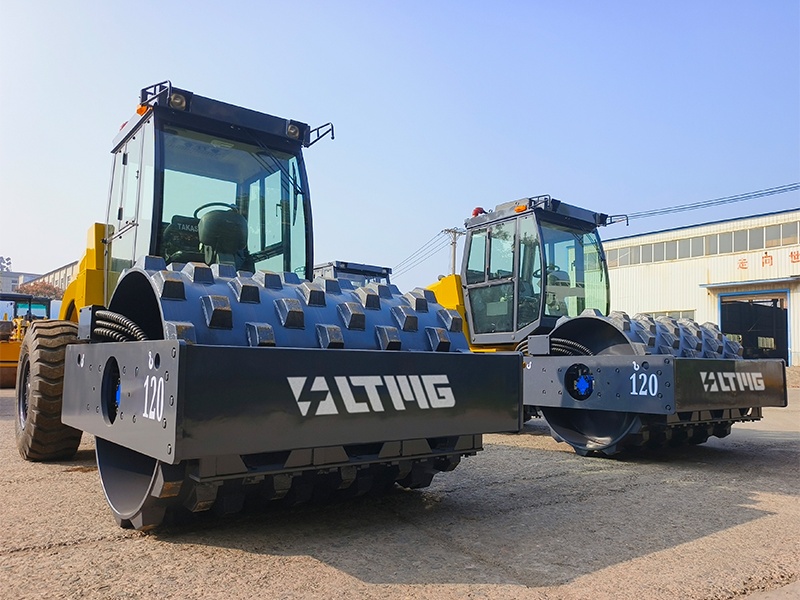
    1. Why Tonnage is the Critical Factor in Compaction In the world of earthworks and paving, the weight of your construction machine isn't just a number—it is the primary driver of soil density and surface integrity. Choosing the wrong tonnage leads to two costly extremes: Tonnage Too Small: Results in under-compaction, high air voids, and subsequent structural failure, leading to expensive rework. Tonnage Too Large: Increases fuel and transport costs and risks "over-compacting" or crushing the aggregate, which can compromise the material's load-bearing capacity. The Professional Insight: Correct tonnage is the intersection of compaction depth, centrifugal force, and material type. While static weight provides the "kneading" effect, the dynamic force of a vibratory roller allows for deeper influence. To achieve peak efficiency, you must match the machine’s total applied force to the specific lift thickness of your project. 2. Tonnage Recommendations by Project Type Selecting a roller based on the scope of the project ensures you aren't overpaying for power you don't use or under-performing on critical tasks. 2.1 Small-Scale Municipal & Landscaping (1–3 Tons) Best For: Sidewalks, residential driveways, garden paths, and patch repairs. Strategic Advantage: These compact models offer exceptional maneuverability in tight urban spaces. They are easy to transport via light trailers and are optimized for thin-layer compaction, where larger machines might damage surrounding curbs or structures. 2.2 Commercial Projects & Urban Roadways (4–10 Tons) Best For: Parking lots, city streets, and secondary roads. Strategic Advantage: This "utility" class provides the perfect balance between compaction power and mobility. A 7-ton or 8-ton vibratory roller is often the "goldilocks" solution for contractors who need a versatile machine capable of handling both sub-base soil and asphalt top coats. 2.3 Highways & Large Infrastructure (12 Tons and Above) Best For: Expressways, airport runways, dam foundations, and massive industrial pads. Strategic Advantage: These heavy-duty machines are designed for deep-layer compaction and high-volume output. They deliver the massive centrifugal force required to stabilize thick lifts of rock fill or heavy clay, ensuring the foundation meets stringent engineering tolerances. 3. Material Science: How Substrate Dictates Tonnage A professional procurement decision must account for the "Compaction Formula": Material Type + Lift Thickness = Required Tonnage. Soil & Clay Sub-bases: These require high amplitude and significant weight to overcome the internal friction of the soil. A heavier roller is usually preferred. Granular & Gravel Layers: These materials respond best to high-frequency vibration. Moderate tonnage with a high-performance vibratory system is ideal to settle the aggregate without crushing the stones. Asphalt Surface Courses: Here, the focus shifts to surface smoothness. While weight is needed for density, the machine must be agile enough to avoid "shoving" the hot mix. 4. Common Selection Pitfalls to Avoid Based on years of field feedback, avoid these three common mistakes: Ignoring Vibration Specs: Two 10-ton rollers can have vastly different compaction outputs. Always look at the frequency (Hz) and amplitude (mm) alongside the static weight. Overlooking Site Constraints: A 20-ton machine is useless if the site entrance or the bridge leading to the site has a 15-ton limit. Undersizing to Save Budget: Buying a smaller machine to save on upfront costs often backfires through increased labor hours and excessive fuel consumption as the machine struggles to reach the required density. 5. Final Decision Framework & Expert Consultation Before you finalize your next construction machine acquisition, follow these steps: Define the primary material (Soil, Gravel, or Asphalt). Calculate the maximum lift thickness (compacted layer depth). Evaluate the total area to be covered to determine required productivity rates. Build Your Fleet with LTMG Quality At LTMG, we understand that your project's success rests on the reliability of your equipment. Our range of vibratory rollers—from agile 1-ton municipal units to 20-ton infrastructure giants—is engineered for extreme durability and precision compaction. Featuring advanced hydraulic systems and ergonomic controls, LTMG road rollers are designed to maximize your ROI by reducing cycle times and maintenance overhead. Take the Next Step in Construction Excellence. Don't leave your compaction quality to chance. Contact the LTMG technical team today to receive a customized equipment assessment and a competitive quote tailored to your 2026 project pipeline.    
  • Tractor Maintenance Masterclass: Ensuring Long-Term Performance and ROI
    Tractor Maintenance Masterclass: Ensuring Long-Term Performance and ROI Feb 16, 2026
    1. Introduction: Why 80% of Tractor Failures are Preventable In the high-stakes world of modern farming, an agricultural tractor is more than just a vehicle; it is the backbone of your operational uptime. Industry data suggests that nearly 80% of mechanical breakdowns are the direct result of inadequate or deferred maintenance. When a farm tractor goes offline during the peak seeding or harvesting window, the loss isn't just the repair bill—it’s the catastrophic cost of standing labor and missed seasonal timing. Transitioning from a "reactive" repair mindset to a "proactive" maintenance framework is the single most effective way to lower your Total Cost of Ownership (TCO). 2. The Daily Inspection Checklist: Your First Line of Defense Consistency is the hallmark of a professional operator. Before turning the key each morning, a five-minute "walk-around" can identify a minor leak before it becomes a major engine seizure. Engine Oil & Coolant Levels: Ensure fluids are topped up to prevent overheating. Tire Pressure & Condition: Incorrect pressure leads to soil compaction and increased fuel consumption. Hydraulic Lines: Check for "weeping" hoses or oily residue near couplings. Braking & Steering: Verify responsive engagement before heading into the field. Battery Terminals: Look for corrosion that could lead to electrical starting failures. 3. Structured Maintenance Intervals: A Professional Roadmap Adhering to a standardized service schedule is critical for validating warranties and maintaining high resale value. Interval Key Tasks Strategic Focus Every 50 Hours Grease all lubrication points; clean air filters. Friction reduction & engine breathing. Every 250 Hours Change engine oil and filters; inspect fuel lines. Removing internal contaminants. Every 500 Hours Replace hydraulic fluid; check transmission belts. System-wide power delivery stability. Every 1000 Hours Deep cooling system flush; valve adjustments. Long-term structural integrity. 4. The Lifeblood: Hydraulic System Maintenance The hydraulic system is the "muscle" of any tractor. Contamination is the number one killer of hydraulic pumps and valves. Cleanliness is Paramount: Always wipe down couplings before connecting implements to prevent dirt from entering the system. High-Temperature Management: In tropical or high-summer conditions, monitor hydraulic oil viscosity. Thinning oil fails to provide the necessary film strength, leading to internal metal-to-metal contact. 5. Seasonal Protection Strategies A farm tractor faces different threats depending on the weather. Winter/Cold Season: Use high-quality anti-freeze and consider battery tenders. Diesel fuel can "gel" in extreme cold; ensure you are using winter-grade fuel or additives. Rainy/Monsoon Season: Moisture leads to rust on exposed cylinder rods and electrical oxidation. Apply anti-corrosion sprays to wiring harnesses and keep the machine sheltered when not in use. 6. Professional Habits to Extend Machine Life Avoid Overloading: Running a tractor consistently at 100% capacity shortens engine life by years. Match your implements to your horsepower. Quality Parts Matter: Using "will-fit" generic filters may save $20 today, but cost $20,000 in engine repairs later. Always prioritize OEM or high-spec equivalent parts. Operator Training: Establish standardized driving habits. Avoid "riding the clutch" or abrupt gear changes under heavy load. 7. Common Maintenance Errors to Avoid Ignoring "Minor" Leaks: A small oil drop today is a sign of a failing seal that will eventually cause a pressure drop. Delaying Filter Changes: Clogged filters force the engine to work harder, spiking fuel costs and internal temperatures. Using Poor Quality Fuel: Contaminated diesel clogs modern high-pressure common rail (HPCR) injectors, which are incredibly expensive to replace. 8. Conclusion: Maintenance is an Investment, Not an Expense   The longevity of your agricultural tractor is directly proportional to the discipline of your maintenance regime. By following a systematic approach, you ensure that your equipment remains a reliable partner in your farm's growth. At LTMG, we believe that professional-grade equipment deserves professional-grade support. Every tractor we provide is backed by comprehensive technical manuals and a global spare parts network to ensure your machine stays in the field, where it belongs. Do you need a customized maintenance schedule for your fleet? Contact our technical support team today for a consultation or to order a bulk maintenance kit for your specific model.    
  • How to Choose the Right Tractor for Your Farm Size: A Strategic Procurement Guide
    How to Choose the Right Tractor for Your Farm Size: A Strategic Procurement Guide Feb 09, 2026
    1. Introduction: Why the Wrong Tractor Can Derail Your Farm’s Profitability In the rapidly evolving landscape of 2026 global agriculture, mechanization is no longer just about replacing manual labor—it is about optimizing the thin margins of agribusiness. Choosing an agricultural tractor is one of the most significant capital investments a farm will make. However, a common pitfall for many managers is a mismatch between farm scale and machine specifications. Underpowered Units: Lead to increased engine strain, frequent breakdowns, and missed planting or harvesting windows. Overpowered Units: Result in excessive fuel consumption, higher insurance premiums, and unnecessary maintenance overhead. This guide leverages industry expertise to help you balance horsepower, soil requirements, and Total Cost of Ownership (TCO) to ensure your next farm tractor is an asset, not a liability. 2. Matching Tractor Horsepower to Farm Scale The size of your land is the primary determinant of the "class" of equipment you require. Below is a breakdown of how acreage typically dictates power requirements. 2.1 Small-Scale Farms (20-25 Hectares) Recommended Power: 25–50 HP Primary Applications: Orchards, vineyards, greenhouses, and small-scale vegetable rows. Strategic Advantage: These compact units offer high maneuverability in tight spaces and significantly lower fuel consumption. They are ideal for light tilling, mowing, and spraying. 2.2 Medium-Scale Farms (20–100 Hectares) Recommended Power: 60–100 HP Primary Applications: General grain farming, hay and forage production, and livestock management. Strategic Advantage: This is the "utility" category. These tractors offer enough hydraulic flow to run medium-duty implements while remaining economical enough for daily chores.   2.3 Large-Scale Operations (100+ Hectares) Recommended Power: 100+ HP Primary Applications: Large-scale row crops (wheat, corn, soy), heavy deep-plowing, and extensive hauling. Strategic Advantage: High traction and advanced transmission systems allow these machines to pull wide-width implements, covering more ground in fewer passes—essential for weather-dependent windows. Farm Size (Hectares) Recommended HP Range Best Suited Crops Key Feature Priority 1 – 20 25 – 50 HP Vegetables, Fruit, Berries Turning Radius & Fuel Economy 20 – 100 60 – 100 HP Grains, Hay, Livestock Versatility & Hydraulic Power 100+ 100 – 200+ HP Corn, Wheat, Soybeans Traction & GPS Compatibility 3. Four Critical Factors Beyond Acreage While size provides a baseline, professional procurement requires a deeper look at the operational environment. Topography (Plains vs. Hills): If your land has significant gradients, a 4WD tractor is non-negotiable for safety and stability. For flat, hardened surfaces, a 2WD model may suffice. Soil Composition: Heavy clay requires significantly more drawbar pull (and thus higher HP/weight) than sandy loam. Crop Specifics: Row crops require specific tire widths to avoid soil compaction, while orchards may require "narrow-track" specialized designs to pass between trees. Annual Operational Hours: If the tractor will run 1,000+ hours a year, prioritize premium builds with higher durability ratings and ergonomic cabs to reduce operator fatigue. 4. 2WD Tractor vs. 4WD Tractor: Which Drive System Fits Your Terrain? Selecting the drive system is a balance of upfront cost versus field performance. 2WD Advantages: Lower initial purchase price, simpler mechanical maintenance, and a tighter turning radius. Best for dry, flat conditions and light utility work. 4WD (or MFWD) Advantages: Superior traction in wet, muddy, or loose soil. It reduces wheel slippage, which in turn saves fuel and reduces tire wear over time. In 2026, 4WD has become the standard for most commercial agricultural tractor applications due to its higher productivity. 5. Total Cost of Ownership (TCO) Analysis A professional buyer looks beyond the sticker price. To calculate the true value of a tractor, consider the following: Acquisition Cost: Financing rates and initial price. Fuel Efficiency: The "liters per hectare" metric is more important than the "liters per hour" metric. Maintenance & Parts: Availability of filters, seals, and specialized components in your region. Resale Value: Established brands often retain 40-60% of their value after five years, whereas "no-name" brands may depreciate much faster. 6. Common Procurement Mistakes to Avoid Chasing Horsepower for Status: Buying more power than your implements require leads to "soil compaction" and wasted fuel. Ignoring Implement Compatibility: Ensure your tractor’s PTO (Power Take-Off) and hydraulic remotes match your existing seeders, plows, or balers. Overlooking After-Sales Support: A broken tractor during planting season is a financial disaster. Ensure your supplier has a robust spare parts network and localized technical support. 7. Conclusion: Making an Informed Decision The "right" tractor is the one that minimizes your cost per acre while maximizing your yield. By aligning your farm size with the appropriate horsepower and considering your specific soil and topography, you can secure a machine that powers your growth for a decade or more. Need a Customized Material Handling or Agricultural Solution? Selecting the perfect farm tractor requires balancing technical specs with a realistic budget. Contact our expert team today for a tailored consultation, or download our 2026 Tractor Selection Catalog to compare the latest high-efficiency models.   Would you like us to provide a specific quote for a 50HP or 100HP model based on your current crop type?    
  • Mini Excavator vs. Standard Excavator: Which is the Right Investment for Your Project?
    Mini Excavator vs. Standard Excavator: Which is the Right Investment for Your Project? Feb 06, 2026
      Choosing the Right Equipment for Maximum ROI In the world of heavy machinery, the excavator is the backbone of almost every sector—from urban construction and roadwork to landscaping and large-scale mining. For project managers and fleet owners, the initial procurement decision is critical: Should you invest in a mini excavator or a standard excavator?   While the most visible difference is tonnage, the choice directly impacts operational efficiency, job site versatility, and long-term total cost of ownership. This guide breaks down the core differences to help you make a data-driven purchasing decision.   Size and Weight: Maneuverability vs. Stability Mini Excavators: Built for Confined Spaces A mini excavator (or compact excavator) typically refers to machines under 10 tons, with micro-models ranging from 1 to 3 tons. Compact Footprint: Their narrow chassis allows for easy navigation through tight alleys and indoor sites. Zero Tail Swing: Many models feature a short or zero-tail swing design, drastically reducing the risk of collisions in congested areas. Low Ground Pressure: Ideal for finished surfaces or soft terrain where minimizing ground disturbance is a priority. Standard Excavators: The Heavy-Duty Powerhouse Starting at 10 tons and peaking in the 20–40 ton range for common commercial use, standard excavators are built for scale. Greater Stability: The massive frame and wider tracks provide a stable platform for continuous, high-intensity digging. Longer Reach: The larger footprint supports a longer boom and arm, essential for deep excavation and heavy lifting.     Performance Capabilities: Digging Depth and Power Digging Depth and Working Envelope Mini Excavator: Generally offers a digging depth of 1–4 meters. It is designed for precision tasks like trenching for utilities or fine grading. Standard Excavator: Digging depths often exceed 4–8 meters, allowing for faster high-volume earthmoving and larger-scale foundation work. Lifting Capacity and Hydraulic Force Mini Models: Optimized for light-to-medium loads, such as moving pipes, small structural components, or landscaping materials. Standard Models: Boast superior hydraulic breakout force and lifting capacity, easily handling steel beams, large boulders, and heavy pre-cast concrete. Engine Output and Efficiency Mini excavators prioritize fuel economy and lower emissions, making them more "green-friendly" for urban projects. Conversely, standard excavators utilize high-horsepower engines to maximize production rates, though they consume more fuel per hour.   Application Scenarios: Finding the Perfect Match Where to Deploy a Mini Excavator: Residential renovations and backyard landscaping. Indoor demolition or site clearing. Urban utility repairs (gas, water, fiber optics). Agricultural irrigation and small-scale drainage projects. Where to Deploy a Standard Excavator: Commercial building foundations and basement excavation. Road, bridge, and highway infrastructure projects. Mining and quarrying operations. Large-scale land clearing and demolition.     Cost Analysis and Maintenance Upfront Procurement vs. Rental Cost A mini excavator offers a lower entry price, making it an attractive option for SMEs (Small and Medium Enterprises) or short-term contractors looking for a quick ROI. Standard excavators require a significant capital investment but offer a lower cost-per-cubic-meter for massive earthmoving projects. Maintenance and Parts Availability Mini Excavators: Simple structure and standardized parts make maintenance straightforward and cost-effective. Standard Excavators: Complex hydraulic systems and heavy-duty components require specialized technicians and higher-cost replacement parts. Logistics and Transportation One of the highest hidden costs is transport. A mini excavator can often be moved via a standard trailer or truck without special permits, whereas a standard excavator requires heavy-haul equipment and specialized logistics planning, increasing the cost of every mobilization. Ease of Operation Mini Excavators: Feature intuitive controls and a shorter learning curve. They are ideal for operators who need to jump between different tasks on a job site. Standard Excavators: Demand high-level operator skills and specific certifications due to the complexity and power of the machine.   Conclusion: How to Choose? Choosing the right excavator isn't about finding the "best" machine; it’s about finding the most cost-effective solution for your specific workload. Choose a Mini Excavator if: You face space constraints, have a limited budget, or work primarily on residential/utility projects. Choose a Standard Excavator if: You are managing large-scale earthmoving, have tight project deadlines, or require maximum lifting power.   Looking to expand your fleet? As a professional machinery supplier, we offer a full range of high-performance mini excavators and standard excavators designed for durability and efficiency. Whether you are looking for wholesale opportunities or customized equipment solutions, we are here to help your project succeed.  
  • Wheel Loader Guide: Understanding Model Differences to Find Your Best Match
    Wheel Loader Guide: Understanding Model Differences to Find Your Best Match Jan 19, 2026
    In the world of heavy equipment, the wheel loader is a staple for its versatility and power. However, with a vast range of models varying in size, performance, and configuration, many buyers find themselves asking: Which model will actually deliver the best ROI for my specific project?   The truth is, differences between wheel loader models aren't just about "bigger is better." Each machine is specifically designed for its intended application. By understanding the core classification logic and key technical differences, you can quickly identify the most cost-effective solution for your business.   This guide breaks down everything you need to know about wheel loader selection, from technical specs to procurement strategies.     1. Classification: How Wheel Loaders Are Categorized Before diving into the specs, it’s important to understand how manufacturers group these machines. This usually comes down to three factors: size, application, and power source. By Tonnage and Size: Small Wheel Loaders (≤5 Tons): Compact and agile. Perfect for tight spaces, landscaping, or small farm work. Medium Wheel Loaders (5–15 Tons): The industry workhorse. Balanced performance for general construction and roadwork. Large Wheel Loaders (>15 Tons): Heavy-duty giants designed for high-output environments like mines and large-scale infrastructure.     By Application: Models are often optimized for their "home" environment. A mining-spec loader features reinforced frames and high durability, while an agricultural model might prioritize multi-functionality and a lighter footprint for soft soil. By Power Type: Diesel Models: The traditional choice for high-intensity, long-duration work with a reliable supply chain for fuel. Electric/Hybrid Models: A growing trend in the industrial equipment market. They offer lower operating costs, zero emissions, and near-silent operation—ideal for indoor or eco-sensitive sites.   2. Key Differences Between Different Wheel Loader Models What exactly are you paying for when you move from one model to another? Here are the four critical areas of divergence.  2.1 Performance Parameters Payload and Operating Weight: A 3-ton compact loader is ideal for light debris, but a 20-ton model is necessary for handling high volumes of aggregate. Choosing the wrong tonnage leads to either wasted fuel or equipment strain. Engine Power & Torque: Higher horsepower equals faster cycles, while torque determines the "breakout force"—how hard the machine can push into a pile of heavy material. Speed: Small loaders are often faster and more "zippy" for frequent site transfers, whereas larger models focus on stability and consistent pace under heavy loads. 2.2 Structural Design Bucket Versatility: Models can be fitted with rock buckets (reinforced for stone), light material buckets (oversized for grain or snow), or standard GP buckets. The right bucket design can boost hourly productivity by over 20%. Tire Options: Depending on the model and terrain, you can choose between pneumatic tires for comfort, solid tires for scrap yards (to avoid punctures), or deep-tread tires for muddy mines. Chassis & Maneuverability: Most modern wheel loaders use an articulated frame. Smaller models offer a tighter turning radius, making them essential for urban procurement where space is at a premium. 2.3 Functional Features Control Systems: Entry-level models use basic mechanical levers, while premium models feature pilot-operated joysticks or semi-autonomous controls that reduce operator fatigue and improve precision. Attachments: Can the loader handle a log grapple, a pallet fork, or a hydraulic breaker? General-purpose models usually offer the best attachment flexibility. Safety & Comfort: High-end models include pressurized cabs, 360° cameras, and ROPS/FOPS protection, which are vital for long-term safety and meeting modern labor standards. 2.4 Maintenance and Operating Costs Fuel/Energy Consumption: While larger diesel machines have higher upfront pricing and fuel consumption, their "cost per ton moved" can be lower in high-volume operations. Maintenance Cycle: Small loaders are simpler to service. Large, high-tech models require specialized diagnostics but are often built with "heavy-duty" components that have a longer overall service life.   3. Selection Guide: How to Choose the Right Wheel Loader To get the best value for your investment, follow this simple logic: Define the Environment: Is it a narrow indoor warehouse or a sprawling open-pit mine? This dictates the size and tire type. Calculate the Volume: How many tons do you need to move per hour? Match this to the bucket capacity and engine output. Analyze the Total Cost of Ownership (TCO): Look beyond the initial purchase price. Consider fuel efficiency, spare parts availability, and potential resale value. Future-Proofing: If your projects vary, prioritize a model with a "quick-hitch" system for easy attachment swaps.   Conclusion The "best" wheel loader isn't the one with the most horsepower or the lowest price tag—it’s the one that matches your daily workload with the highest efficiency.   Whether you are looking for a nimble compact loader for municipal work or a massive heavy-duty machine for quarrying, we offer a comprehensive range of diesel and electric wheel loaders designed to maximize your uptime.   Looking for a competitive quote or detailed specifications? Browse our latest wheel loader product line or contact our experts today for a personalized recommendation and wholesale pricing options.  
  • Choosing a Reliable Excavator Partner: 6 Key Dimensions for Informed Decision-Making
    Choosing a Reliable Excavator Partner: 6 Key Dimensions for Informed Decision-Making Jan 14, 2026
    In any construction or infrastructure project, the excavator is the heartbeat of the site. Whether you are looking for a long-term fleet addition or a short-term rental, selecting a professional and trustworthy company is critical. The right partner directly impacts your project timeline, operational efficiency, and overall bottom line.   However, the market is saturated with providers of varying quality. How do you distinguish a world-class excavator supplier from a mediocre one? This guide breaks down six essential dimensions to help you evaluate potential partners and secure a successful cooperation.   1. Equipment Quality and Fleet Strength The hardware is the foundation of the service. A company’s true capability is reflected in the quality of its machinery and its fleet management standards. Inventory Depth: Does the company offer a full range of models? A top-tier excavator factory or distributor should provide everything from mini-excavators for urban utility work to large-scale machines for heavy mining. Machine Condition: Look at the ratio of new to old machines. Older fleets often lead to higher downtime, frequent breakdowns, and increased fuel costs. Maintenance Systems: Professionalism is found in the "invisible" work. Inquire about their standardized maintenance protocols, spare parts inventory, and the speed of their repair response team. A machine is only as good as the service that keeps it running. Safety and Compliance: Ensure the equipment meets local emission standards (like Tier 4 or Stage V) and is equipped with modern safety features such as ROPS (Roll-Over Protective Structures) and 360-degree cameras.   2. Service Professionalism and Technical Support High-quality iron is just the beginning; expert service is what ensures a project runs smoothly from start to finish. Technical Consultation: A reliable excavator manufacturer or dealer doesn't just sell you a machine; they help you choose the right one for your specific soil type and job site conditions.  Logistics and On-site Support: Check their delivery efficiency. Do they provide on-site installation, commissioning, and operator orientation? Operational Flexibility: For B2B procurement, flexibility is king. The best partners offer various models, including direct sales, long-term leasing, and trade-in programs to help you manage your capital flow.   3. Reputation and Industry Authority When dealing with high-value industrial equipment, company credibility is your greatest insurance policy. Credentials and Experience: How many years has the company been in the excavator manufacturing business? Look for industry certifications and a proven track record in projects similar to yours. Customer Reviews: Real-world feedback is the most honest indicator of reliability. Look for case studies, testimonials from long-term clients, and the company’s reputation for honoring warranties. Contractual Transparency: Reputable companies provide clear, standardized contracts with no hidden clauses regarding maintenance responsibilities or insurance coverage.     4. Pricing Strategy and Total Value Price is always a factor, but in heavy machinery, the "cheapest" option is often the most expensive in the long run. Price Transparency: A professional excavator supplier provides a detailed breakdown of costs, including delivery, taxes, and potential service fees. Total Cost of Ownership (TCO): Evaluate the machine based on fuel efficiency, maintenance intervals, and resale value. A slightly higher upfront purchase price for a high-efficiency machine often results in lower lifetime costs. Payment Terms: Look for partners offering reasonable down payments or flexible financing options that align with your project's milestone payments.   5. Value-Added Services and Long-term Stability The best relationships are built on more than just a transaction. Look for a partner that adds value to your business. Training and Safety Programs: Do they offer training for your operators to improve efficiency and reduce wear and tear? Supply Chain Stability: In a global market, the ability to source spare parts quickly is vital. Ensure your partner has a robust supply chain to avoid weeks of downtime for a single hydraulic seal. Future-Proofing: Choose a company that stays ahead of industry trends, such as electric-powered models or GPS-guided digging systems. 6. Avoiding Common Selection Pitfalls To make the most rational decision, be wary of these common mistakes: Trap #1: Price Over Quality. Choosing the lowest bid often results in frequent breakdowns and poor service response, which can derail your project schedule. Trap #2: Ignoring the Fine Print. Failing to clarify the scope of after-sales service or the definition of "normal wear and tear" can lead to disputes later. Trap #3: Skipping the Verification. Never take marketing claims at face value. Verify the excavator factory's production capacity or the supplier's warehouse stock whenever possible.   Conclusion Selecting an excavator partner is a strategic decision that balances equipment quality, service excellence, and financial sense. By focusing on these six dimensions, you move beyond "buying a machine" and toward "securing a solution."   Are you looking for a reliable partner for your next project? We are a leading excavator manufacturer committed to delivering high-performance machinery backed by expert technical support. Our range covers small, medium, and heavy-duty models designed to excel in the toughest environments.   Explore our latest excavator models  Request a customized quote for your project Contact our consultants for technical guidance Partner with us to ensure your project is built on a foundation of power and reliability.    
  • Why Backhoe Loaders Are the Most Versatile Equipment for Small and Mid-Sized Construction Sites
    Why Backhoe Loaders Are the Most Versatile Equipment for Small and Mid-Sized Construction Sites Jan 12, 2026
    For small and medium-sized construction projects, equipment management is often a balancing act. Tight spaces, complex workflows, and limited budgets mean that every machine must earn its keep. This is where the backhoe loader shines—a machine designed to solve the inefficiency of single-purpose equipment.     The Versatility of the Backhoe Loader: Two Machines in One The core value of a backhoe loader lies in its "dual-function" architecture. By integrating two essential construction tools into a single chassis, it eliminates the need for multiple specialized machines. Front Loader System: Capable of loading, leveling, and short-distance transport—comparable to a compact wheel loader. Rear Excavator System: Equipped with a hydraulic boom and bucket for trenching, foundation digging, and heavy lifting. For many contractors, finding a reliable backhoe loader supplier is the first step toward streamlining their fleet and reducing overhead.   Why SME Sites Prefer Backhoe Loaders 1. Superior Mobility and Space Efficiency Unlike massive excavators that require specialized heavy haulers, a backhoe loader is compact and road-legal in many regions. It can navigate narrow alleys in urban renovations or tight rural paths where larger machinery simply cannot fit. 2. Optimized Cost Control Purchasing one versatile machine is significantly more cost-effective than buying separate units. When you factor in the backhoe loader price against the combined cost of a mini-excavator and a small loader, the savings are immediate. Additionally, you only need one operator and one maintenance schedule. 3. All-Phase Utility From the first day of site clearing to the final stages of landscaping and waste removal, the backhoe loader stays busy. This high utilization rate ensures a faster return on investment (ROI).     Real-World Applications of Backhoe Loader: Where It Excels The adaptability of this equipment allows it to transition seamlessly between different project types: Residential Projects: Digging foundations for utilities, clearing construction debris, and grading driveways. Rural Infrastructure: Perfect for irrigation projects, small bridge foundations, and road widening. Municipal Maintenance: Ideal for sidewalk repairs, pipe replacements, and emergency roadwork. Emergency Repairs: Its ability to travel quickly to a site makes it the first choice for burst pipes or storm cleanup.   BLT388 backhoe loader arrives in Gladko, delivering reliable power and performance to support municipal projects and drive the city’s future growth   Function Expansion via Attachments The versatility is further enhanced by specialized tools: Hydraulic Breaker: For demolishing concrete or asphalt. Grapple: For handling irregular debris or timber. Auger: For drilling post holes and fencing. Comparative Analysis: Backhoe Loader vs. Other Equipment Feature Backhoe Loader Single-Function (Excavator/Loader) Heavy Machinery Versatility High (Digs & Loads) Low (Single Task) High Power / Low Flexibility Transport Easy (Self-drive/Standard Trailer) Requires specialized transport Complex logistics Labor Cost Low (1 Operator) High (Multiple Operators) High (Specialized Crew) Site Suitability Small to Medium Sites Variable Large-scale Projects only   Buyer’s Guide: Choosing the Right Backhoe Loader If you are looking to buy a backhoe loader, consider these four steps to ensure you get the best value: Step 1: Define Your Primary Tasks Analyze your most frequent jobs. Do you need deeper digging depth or higher loading capacity? Knowing your "power profile" helps you choose the right engine and hydraulic specs. Step 2: Site Conditions vs. Machine Size For tight urban work, prioritize "compact" models with a small turning radius. For open rural projects, a standard or heavy-duty model will offer better efficiency. Step 3: Evaluate Total Cost of Ownership (TCO) Don't just look at the initial backhoe loader price. Evaluate fuel consumption, maintenance intervals, and the availability of wear parts. A slightly higher upfront cost for a reputable brand often saves thousands in long-term repairs. Step 4: Choose a Support-Oriented Supplier A great backhoe loader supplier doesn't just sell you a machine; they provide technical support, rapid parts delivery, and reliable after-sales service. This ensures your machine stays on the job, not in the shop.   The Verdict for Small Construction Sites The backhoe loader remains the gold standard for versatility. It balances power with mobility and cost with capability. As technology advances—improving fuel economy and precision controls—this "Swiss Army knife" of construction will continue to be the cornerstone of small and medium-sized project success.   Ready to Boost Your Construction Efficiency? In the competitive world of small and medium-scale construction, choosing the right equipment is the most critical decision for your bottom line. As a leading backhoe loader supplier, we specialize in delivering high-quality, versatile machines tailored to your specific project needs and operational challenges.   Whether you are looking for a competitive backhoe loader price for a single unit or need to consult on a fleet upgrade, our experts are ready to provide you with a customized solution and a transparent, comprehensive quote.   [Contact Us Today] to find the perfect backhoe loader for your business and take your project productivity to the next level!    
  • Wheel Loader Selection Guide: Choosing the Right Model and Tonnage for Your Industrial Projects
    Wheel Loader Selection Guide: Choosing the Right Model and Tonnage for Your Industrial Projects Jan 05, 2026
    Introduction: Why Selecting the Right Wheel Loader Matters In the heavy machinery industry, the wheel loader is a cornerstone of material handling. Choosing the right equipment can boost operational efficiency by over 30%. Conversely, a mismatch in selection often leads to equipment idling, unnecessary procurement costs, and project delays. This guide offers a comprehensive analysis of wheel loader models, tonnage, and various application scenarios. Whether you are a construction site manager, a mining operator, or a heavy equipment procurement officer, this framework will help you maximize your Return on Investment and operational output.     Fundamental Knowledge: Understanding Wheel Loader Specifications 2.1 Definition and Core Functions A wheel loader is a versatile earthmoving machine mounted on tires, designed to scoop, carry, and discharge materials using a front-mounted bucket. Beyond basic loading, its core industrial functions include: Bulk Material Handling: Efficiently moving sand, gravel, soil, and coal. Short-Distance Transport: Acting as a vital link between the job site and the stockyard. Stockpiling & Grading: Essential for logistics and warehousing management. Multipurpose Versatility: Through quick-coupler attachments, it can perform tasks such as bulldozing, leveling, and hydraulic breaking. 2.2 Classification: Mapping Models to Tonnage Understanding the classification system is the foundation of professional equipment procurement. By Structural Design Machine Category Tonnage Range Structural Features Key Advantages Typical Applications Standard Loader 3 - 8 Tons Traditional articulated frame Balanced & versatile General construction & earthworks Compact Loader 1 - 3 Tons Optimized for confined spaces Small turning radius; highly mobile Urban utility & indoor jobs Heavy-Duty Loader >10 Tons Reinforced structural frame High payload; extreme durability Large-scale mining & quarrying   By Power Source Power Type Tonnage Coverage Core Advantages Typical Applications Diesel Powered Full Range High torque; easy refueling Remote sites & heavy-duty tasks Electric (EV) 1 - 5 Tons Zero emissions; low noise Indoor warehouses & green projects Hybrid >5 Tons Optimized fuel efficiency High-frequency loading cycles   LT958 5 Ton Wheel Loader LT910 1 Ton Wheel Loader LT930 3 Ton Wheel Loader   3. Core Selection Dimensions: Matching Equipment to Scenarios 3.1 Industry-Specific Requirements Selecting a front-end loader requires a deep understanding of the working environment. Here is a breakdown of recommended tonnages for various sectors: Industry / Scenario Recommended Tonnage Key Selection Factors Residential Construction 3 Tons Compact body, small turning radius Infrastructure Projects 5 Tons High cycle speed, maximized bucket capacity Mining (Open-pit) 5 – 8+ Tons Heavy-duty frame, high breakout force Quarrying ≥6 Tons Rock-specific buckets, reinforced tires Agriculture & Livestock 2 – 3 Tons Corrosion resistance, attachment versatility Logistics & Warehousing 2 – 4 Tons Maneuverability, electric options for indoors Road Construction 5 – 6 Tons Large bucket, continuous high-intensity work   3.2 Strategic Procurement Considerations Beyond tonnage, professional buyers should evaluate these five dimensions to ensure long-term value: Site Constraints & Mobility: A standard 5-ton loader requires a turning radius of approximately 6 meters. For tight urban spaces, all-wheel steering or compact articulated models are preferred over raw power. Task Complexity & Attachments: If the job involves various tasks (e.g., pallet handling, snow removal), prioritize loaders with hydraulic quick-couplers. This transforms a single machine into a multi-tool asset. Investment and Budgeting: While the wheel loader price is a major factor in your procurement decision, focus on long-term ROI. A high-quality machine from a top-tier wheel loader supplier might have a higher upfront cost but will save you thousands in fuel and repairs over its lifespan. Total Cost of Ownership (TCO): The purchase price is only the tip of the iceberg. Focus on fuel efficiency, maintenance intervals, and the availability of spare parts. Reliable brands offer better resale value, which is a critical factor in fleet management. Fleet Synergy: A loader must match the capacity of your dump trucks. An imbalance (e.g., a loader bucket that is too small for the truck bed) creates bottlenecks and wastes fuel.   4. Common Pitfalls in Wheel Loader Procurement 1: Over-Specification (The "Bigger is Better" Myth): Operating a heavy machine at only 50% capacity leads to high fuel consumption and unnecessary wear. Aim for the 70%–90% utilization "sweet spot." 2: Ignoring Environmental Factors: High-salt, high-humidity, or high-dust environments require specialized coatings and filtration systems. Neglecting these "environment-ready" options will shorten the machine's lifespan. 3: Underestimating After-Sales Support: One common mistake is prioritizing the lowest wheel loader price over machine durability. Often, the cheapest option comes from an unverified wheel loader supplier with no local service network, leading to high 'hidden costs' when the machine breaks down on-site.   5. Conclusion: The Logic of Scientific Selection Successful wheel loader procurement is a balance between technical capability and economic efficiency. To make the best decision, synthesize these three pillars: Model Selection: Determines the technical route and task versatility. Tonnage Determination: Defines the boundaries of productivity and efficiency. Scenario Analysis: Identifies site-specific constraints and unique demands. For complex projects, we recommend consulting with a heavy machinery specialist to conduct a site-specific simulation. Choosing the right equipment is not just a purchase; it is the first step toward project profitability, and choosing a reputable wheel loader supplier is as important as the machine's specs. As a premier wheel loader supplier with decades of industry experience, we offer more than just high-quality equipment— we provide efficiency. Not sure which tonnage fits your specific job site? We are ready to provide a free site-loading analysis and a detailed wheel loader price list tailored to your project requirements.  
  • Hiệu quả kết hợp với tính linh hoạt: Hướng dẫn chiến lược về mua sắm máy xúc lật bánh lốp nhỏ gọn
    Hiệu quả kết hợp với tính linh hoạt: Hướng dẫn chiến lược về mua sắm máy xúc lật bánh lốp nhỏ gọn Dec 17, 2025
    Trong ngành xây dựng và hậu cần công nghiệp hiện đại, nhu cầu về thiết bị cân bằng giữa công suất và kích thước nhỏ gọn chưa bao giờ cao hơn. Đối với các nhà quản lý đội xe và chuyên gia mua sắm, máy xúc lật bánh lốp nhỏ gọn đã chuyển từ một công cụ chuyên dụng trở thành nền tảng của hiệu quả hoạt động. Hướng dẫn này khám phá những ưu điểm kỹ thuật và ứng dụng đa ngành của máy xúc lật bánh lốp nhỏ gọnCung cấp những thông tin cần thiết để bạn đưa ra quyết định đầu tư sáng suốt cho doanh nghiệp của mình.  Điều gì tạo nên một máy xúc lật bánh lốp nhỏ gọn chuyên nghiệp?Một chiếc nhỏ gọn máy xúc lật bánh lốp Đây không chỉ đơn thuần là phiên bản nhỏ hơn của các loại máy hạng nặng. Nó là một cỗ máy được chế tạo chuyên dụng, thường có trọng lượng vận hành từ 3.000kg đến 8.000kg. Đặc điểm kỹ thuật nổi bật là hệ thống lái khớp nối. Không giống như các loại máy móc khung cứng, khung gầm của máy xúc lật bánh lốp nhỏ gọn có thể xoay, cho phép các bánh sau di chuyển linh hoạt. ftheo dõi Đường đi chính xác của bánh trước. Điều này giúp giảm mài mòn lốp và tạo ra bán kính quay vòng nhỏ hơn—điều cực kỳ quan trọng khi di chuyển trong các công trường đông đúc hoặc lối đi hẹp trong nhà kho. Ưu điểm cốt lõi: Tại sao máy xúc lật bánh lốp nhỏ gọn là một khoản đầu tư có tỷ suất lợi nhuận cao1. Khả năng cơ động và tiếp cận địa điểm vượt trộiThiết kế khớp nối cho phép di chuyển chính xác trong không gian chật hẹp mà các loại máy xúc truyền thống không thể làm được. Điều này khiến chúng trở thành lựa chọn ưu tiên cho các dự án cơ sở hạ tầng đô thị và các ứng dụng công nghiệp trong nhà.2. Tích hợp phụ kiện đa chức năngYếu tố chính thúc đẩy việc mua sắm máy xúc lật bánh lốp cỡ nhỏ là khả năng "đa năng" của nó. Nhờ hệ thống thủy lực lưu lượng cao và công nghệ khớp nối nhanh, một thiết bị duy nhất có thể được trang bị:Càng nâng pallet dùng trong công tác hậu cần và quản lý kho bãi.Máy quét thủy lực dùng cho công tác bảo trì công trường.4-Thùng chứa đa năng 1 trong 1, lý tưởng cho việc vận chuyển vật liệu.3. Tối ưu hóa hiệu quả hoạt độngMặc dù có kích thước nhỏ gọn, các loại máy xúc lật bánh lốp hiện đại lại sở hữu lực phá vỡ và khả năng nâng tải ấn tượng. Chúng có tốc độ di chuyển nhanh hơn so với máy xúc lật bánh xích, giúp giảm đáng kể thời gian chu kỳ khi vận chuyển vật liệu trên các công trường lớn.4. Kỹ thuật lấy người vận hành làm trung tâmTừ góc độ chuyên môn, sự thoải mái của người vận hành ảnh hưởng trực tiếp đến năng suất. Các loại máy xúc lật nhỏ gọn cao cấp được trang bị cabin kín khí với tầm nhìn 360 độ, cần điều khiển joystick tiện dụng và hệ thống HVAC tiên tiến, giúp giảm mệt mỏi trong những ca làm việc kéo dài.5. Tổng chi phí sở hữu (TCO) thấp hơn Đối với các doanh nghiệp chú trọng đến lợi nhuận, máy xúc lật bánh xích (CWL) mang lại hiệu quả tiết kiệm nhiên liệu tuyệt vời và khả năng bảo trì dễ dàng hơn. Việc giảm ma sát lốp (vốn có ở hệ thống lái khớp nối) giúp giảm chi phí vận hành dài hạn so với máy xúc lật bánh lốp.  Ứng dụng công nghiệp: Nơi hiệu suất đáp ứng nhu cầuXây dựng & Cơ sở hạ tầng đô thịTừ việc san lấp mặt bằng khu dân cư đến phát triển thương mại quy mô nhỏ, máy xúc lật CWL cung cấp lực nâng cần thiết mà không gây ra gánh nặng về hậu cần khi vận chuyển máy móc hạng nặng.Quản lý Nông nghiệp & Chăn nuôiTrong lĩnh vực nông nghiệp, những chiếc máy xúc này là không thể thiếu để vận chuyển thức ăn chăn nuôi, xử lý phân bón và bảo trì chuồng trại, nơi cần có thiết kế nhỏ gọn để tránh chướng ngại vật phía trên.Dịch vụ cảnh quan và đô thị Các đô thị sử dụng máy xúc lật nhỏ gọn cho các công việc quanh năm, bao gồm dọn tuyết, sửa chữa đường sá và bảo trì công viên công cộng, nhờ khả năng di chuyển trên các bề mặt nhạy cảm mà không gây hư hại của máy. Chiến lược mua sắm: Làm thế nào để chọn nhà cung cấp phù hợp?Khi đánh giá các nhà cung cấp và mẫu máy xúc lật bánh lốp, hãy xem xét các thông số kỹ thuật quan trọng sau:Công suất vận hành định mức (ROC): Hãy đảm bảo máy móc đáp ứng được yêu cầu nâng tải trọng tối đa của bạn với một biên độ an toàn.Tuân thủ tiêu chuẩn động cơ: Hãy tìm kiếm các động cơ đạt tiêu chuẩn Tier 4 Final hoặc Stage V để đáp ứng các tiêu chuẩn khí thải toàn cầu.Lưu lượng thủy lực: Điều này rất quan trọng nếu bạn dự định sử dụng các phụ kiện tiêu thụ nhiều điện năng như máy bào mặt đất hoặc máy thổi tuyết.Hỗ trợ sau bán hàng: Ưu tiên các nhà cung cấp có gói bảo hành mạnh mẽ và phụ tùng thay thế sẵn có. Máy xúc lật bánh lốp nhỏ gọn so với máy xúc lật bánh xích: Loại nào tốt hơn?Mặc dù cả hai đều "nhỏ gọn", nhưng sự lựa chọn phụ thuộc vào trường hợp sử dụng cụ thể của bạn:Hãy chọn máy xúc lật bánh lốp nhỏ gọn nếu: Bạn ưu tiên hiệu quả nhiên liệu, tầm nhìn, tốc độ di chuyển cao hơn và giảm thiểu tối đa sự xáo trộn mặt đất.Hãy chọn máy xúc lật mini nếu: Bạn chủ yếu hoạt động trong không gian cực kỳ chật hẹp, cần xoay trở linh hoạt và yêu cầu nhiều loại phụ kiện phá dỡ chuyên dụng hơn. Phần kết luậnLựa chọn thiết bị phù hợp là một quyết định kinh doanh quan trọng. Cho dù bạn đang tìm kiếm đối tác bán buôn, giải pháp OEM tùy chỉnh, hay đơn giản chỉ là máy xúc lật bánh lốp nhỏ gọn đáng tin cậy nhất cho ứng dụng cụ thể của mình, đội ngũ chuyên gia kỹ thuật của chúng tôi luôn sẵn sàng hỗ trợ.📮Email: market@ltmg.com📞WhatsApp/Wechat:+86 19559207570  
  • Hiệu quả cộng hưởng: Vì sao bộ đôi máy xúc hạng nặng và xe nâng càng là tiêu chuẩn vàng cho hoạt động khai thác mỏ
    Hiệu quả cộng hưởng: Vì sao bộ đôi máy xúc hạng nặng và xe nâng càng là tiêu chuẩn vàng cho hoạt động khai thác mỏ Dec 12, 2025
     Trong bối cảnh khai thác mỏ hiện đại đang không ngừng phát triển, môi trường vận hành ngày càng trở nên phức tạp. Thời đại dựa vào các máy móc riêng lẻ đã kết thúc. Ngày nay, các hệ thống thiết bị tích hợp đã trở thành xu hướng chính đối với các doanh nghiệp khai thác mỏ nhằm tối đa hóa năng suất và giảm thiểu chi phí vận hành. 1. Xu hướng mới: Từ các thiết bị độc lập đến các giải pháp hệ thống Các khu vực khai thác mỏ thường gặp phải những thách thức khắc nghiệt, bao gồm độ cao lớn, biến động nhiệt độ mạnh và các tầng đá mài mòn. Trong môi trường cường độ cao này, không một loại máy móc nào có thể đảm nhiệm hiệu quả toàn bộ quy trình làm việc—từ khai qu excavation và loại bỏ lớp đất phủ đến xử lý vật liệu chính xác.máy xúcVàxe nâng hàngSự kết hợp này là một giải pháp chiến lược nhằm đối phó với những thách thức trên, mang đến quy trình làm việc hợp lý, bao quát mọi khía cạnh.  2. Trái tim của mỏ: Vai trò của máy xúc hạng nặng Máy xúc hạng nặng đóng vai trò như "trái tim" của khu mỏ. Với nhiệm vụ thực hiện những công việc nặng nhọc nhất—đào đất, bóc tách lớp đất và bốc xếp hàng hóa—hiệu suất hoạt động của nó quyết định trực tiếp đến tổng sản lượng hàng ngày của mỏ.  Lựa chọn nổi bật:Máy xúc khai thác mỏ hạng nặng 23-60 tấn Được thiết kế để đáp ứng những điều kiện khắc nghiệt nhất, dòng sản phẩm này được gia cố bằng các linh kiện đẳng cấp thế giới:Hệ thống thủy lực thông minh tiên tiến: Trang bị bơm chính điều khiển điện lưu lượng dương Rexroth A8VO225 nhập khẩu. Hệ thống này cung cấp lưu lượng lớn hơn và phản hồi gần như tức thời, giúp tăng cường đáng kể hiệu quả năng lượng đồng thời giảm độ trễ vận hành trong các chu kỳ đào nặng.Hệ thống động cơ mạnh mẽ và đáng tin cậy: Được trang bị động cơ Cummins QSM11 chính hãng của Mỹ, được tinh chỉnh đặc biệt cho môi trường khai thác mỏ. Động cơ này cung cấp mô-men xoắn dự trữ cao và công suất ổn định với khả năng tiết kiệm nhiên liệu tối ưu, được hỗ trợ bởi mạng lưới hậu mãi toàn cầu, phản hồi nhanh chóng.Hệ thống điều khiển chính xác: Van chính điều khiển điện tử RCS35 hoạt động như "hệ thần kinh" của máy, đảm bảo chuyển động cực kỳ chính xác và vận hành đa chức năng đồng bộ ngay cả đối với những nhiệm vụ khó khăn nhất.Khả năng kéo mạnh mẽ: Được trang bị động cơ di chuyển Doosan TM100, khung gầm cung cấp khả năng leo dốc mạnh mẽ và tính di động đáng tin cậy, đảm bảo hiệu suất ổn định trên địa hình gồ ghề, không bằng phẳng thường thấy trong các hầm mỏ.Công nghệ bảo trì thông minh: Hệ thống bôi trơn tập trung tự động cung cấp lượng mỡ bôi trơn định kỳ và chính xác cho các bộ phận quan trọng, khó tiếp cận. Điều này không chỉ chuẩn hóa công tác bảo trì và ngăn ngừa hao mòn sớm mà còn giảm đáng kể chi phí nhân công và thời gian ngừng hoạt động của máy móc.  3. Trợ thủ đắc lực: Xe nâng càng cho khai thác mỏ dùng để vận chuyển vật liệuTrong khi máy xúc tượng trưng cho sức mạnh thô sơ, thì xe nâng càng trong khai thác mỏ lại đóng vai trò như "cánh tay phải" của công trường. Nó là cầu nối giữa công tác đào bới hạng nặng và hậu cần, đảm nhiệm các nhiệm vụ như vận chuyển đá, hỗ trợ bảo trì thiết bị và dọn dẹp công trường. Lựa chọn nổi bật:Máy xúc lật bánh lốp LTMG 23-45 tấn dùng trong khai thác mỏ Dòng sản phẩm LTMG được biết đến với khả năng chịu tải cao và tính linh hoạt đa chức năng:Cabin kín khí, tiện nghi: Được thiết kế cho môi trường khắc nghiệt, cabin rộng rãi, kín khí này có khả năng cách âm và giảm rung động hiệu quả cao. Tầm nhìn toàn cảnh đảm bảo khả năng điều khiển an toàn hơn, trong khi môi trường kín bảo vệ người vận hành khỏi bụi bẩn bên ngoài, đảm bảo sự thoải mái và năng suất trong suốt ca làm việc dài.Quản lý nhiệt và thủy lực thông minh: Sử dụng công nghệ hợp lưu và phân tán bơm kép tiên tiến, hệ thống tối ưu hóa công suất động cơ một cách thông minh để tối đa hóa hiệu quả nhiên liệu. Các mạch làm mát độc lập cho dầu hộp số và dầu thủy lực đảm bảo hệ thống duy trì độ ổn định và hiệu suất cao nhất, ngay cả trong quá trình hoạt động liên tục 24/7.Hệ thống phanh an toàn dự phòng: Được trang bị hệ thống phanh đĩa kẹp đôi bốn bánh và bình chứa khí phụ trợ chuyên dụng để vận hành an toàn khi xảy ra sự cố. Công nghệ làm mát tự động độc quyền của chúng tôi ngăn ngừa hiện tượng phanh bị yếu khi vận chuyển hàng nặng xuống dốc, cung cấp một lớp an toàn quan trọng cho việc xử lý vật liệu trọng tải lớn.Trục Q gia cường chịu tải nặng: Được thiết kế đặc biệt cho ngành khai thác mỏ, trục Q gia cường có các moay ốc quá khổ và bánh răng cường độ cao, mang lại khả năng chịu tải cao hơn 50% so với các trục công nghiệp tiêu chuẩn. Cấu trúc làm kín được nâng cấp giúp loại bỏ hiệu quả hiện tượng rò rỉ dầu, đảm bảo độ tin cậy cao và giảm đáng kể chi phí bảo trì.  4. Sức mạnh của sự cộng hưởng: Đạt được 1+1 > 2Khi hai loại máy móc này hoạt động song song, chúng tạo ra hiệu ứng "nhân tố tăng cường" tại chỗ:Tích hợp quy trình làm việc liền mạch: Bằng cách giao nhiệm vụ dọn dẹp mặt bằng và vận chuyển phụ kiện cho xe nâng, máy xúc có thể tập trung hoàn toàn vào công việc đào bới khối lượng lớn. Điều này giúp tránh việc các máy móc "vượt quá tiêu chuẩn" lãng phí thời gian vào các công việc nhỏ. Loại bỏ thời gian chờ: Xe nâng càng nhanh chóng dọn dẹp chướng ngại vật và quản lý công tác hậu cần tại công trường, giảm đáng kể thời gian chờ đợi của máy xúc. Dữ liệu thực địa cho thấy sự kết hợp này có thể cải thiện hiệu quả tổng thể của thiết bị (OEE) từ 15-20%. 5. Lợi ích chiến lược: An toàn và tối ưu hóa chi phíSự kết hợp các thiết bị khoa học không chỉ giúp cải thiện tốc độ mà còn làm thay đổi bảng cân đối kế toán bằng cách giải quyết hai chỉ số KPI quan trọng:Tăng cường an toàn thông qua mô hình "Máy thay người": Việc sử dụng các thiết bị gắn kèm chuyên dụng cho xe nâng (kẹp, càng nâng) thay vì lao động thủ công hoặc các thiết bị tạm bợ tạo ra môi trường làm việc an toàn hơn. Sự "tách biệt giữa người và máy" này cho phép người vận hành quản lý việc xử lý vật liệu từ bên trong cabin được bảo vệ, đảm bảo an toàn tuyệt đối tại công trường.Giảm tổng chi phí sở hữu (TCO): Sử dụng xe nâng kiêm máy xúc lật cho các công việc phụ trợ giúp tránh lãng phí nhiên liệu thường gặp trong trường hợp "động cơ lớn, công việc nhỏ". Việc chuyên dụng này giảm thiểu sự hao mòn không cần thiết trên hệ thống gầm và hệ thống thủy lực của máy xúc, kéo dài tuổi thọ của tài sản chính và tăng đáng kể lợi tức đầu tư (ROI). 6. Giá trị của giải pháp khai thác mỏ trọn gói từ LTMGViệc lựa chọn giải pháp trọn gói LTMG đồng nghĩa với việc đầu tư vào một hệ sinh thái sản xuất hoàn thiện chứ không chỉ đơn thuần là phần cứng:Lựa chọn đội tàu phù hợp: Chúng tôi cung cấp dịch vụ ghép nối tàu dựa trên cơ sở khoa học về sản lượng khai thác cụ thể của mỏ bạn.Dịch vụ hậu mãi được đơn giản hóa: Hệ sinh thái thương hiệu thống nhất đồng nghĩa với việc chỉ cần liên hệ một đầu mối duy nhất để mua phụ tùng và bảo trì cho toàn bộ đội xe của bạn.Vận hành hiện đại hóa: Chúng tôi giúp khách hàng xây dựng các hệ thống khai thác mỏ hiệu quả cao, ổn định và hiện đại, duy trì khả năng cạnh tranh trong một thị trường đầy biến động.  Phần kết luận:Ngành khai thác mỏ cạnh tranh là cuộc đua về hiệu quả và kiểm soát chi phí. Tiêu chuẩn vàng "Máy xúc hạng nặng + Xe nâng càng" không chỉ đơn thuần là về hiệu suất mà còn là cách quản lý tài sản khoáng sản thông minh hơn, an toàn hơn và sinh lời hơn.   
  • Hướng dẫn toàn diện về máy xúc lật mini tiết kiệm chi phí cho doanh nghiệp nhỏ: Tối đa hóa lợi nhuận đầu tư từ khâu mua sắm đến bảo trì.
    Hướng dẫn toàn diện về máy xúc lật mini tiết kiệm chi phí cho doanh nghiệp nhỏ: Tối đa hóa lợi nhuận đầu tư từ khâu mua sắm đến bảo trì. Nov 21, 2025
     I. Giới thiệu: Tại sao các doanh nghiệp nhỏ cần một "nhân tố nhân rộng sức mạnh"Trong thị trường cạnh tranh khốc liệt ngày nay, hiệu quả không chỉ là một khẩu hiệu sáo rỗng mà còn là yếu tố sống còn. Đối với các nhà thầu xây dựng, nông dân, người làm vườn và quản lý kho hàng, lợi nhuận nằm ở việc hoàn thành nhiều công việc hơn với nguồn nhân lực hạn chế.Giá trị cốt lõi: Không chỉ là một cỗ máy, mà là một công cụ thúc đẩy năng suất.Máy xúc lật bánh xích không chỉ đơn thuần là thiết bị phần cứng; nó là một tài sản chiến lược mang lại ba lợi thế cạnh tranh quan trọng cho các doanh nghiệp nhỏ:1. Khả năng vận hành vượt trội: Với khả năng quay đầu ở bán kính bằng không, nó dễ dàng di chuyển qua các ngõ hẹp, nhà kho đông đúc hoặc các công trường sửa chữa nội thất chật hẹp mà các thiết bị hạng nặng lớn hơn không thể đi vào được.2. Tính đa năng (Hiệu ứng "dao đa năng Thụy Sĩ"): Nhờ có nhiều phụ kiện đi kèm, một chiếc máy có thể ngay lập tức biến thành máy xúc, xe nâng, máy thổi tuyết hoặc máy ủi, mở rộng đáng kể các dịch vụ của bạn.3. Giảm chi phí nhân công: Một máy xúc lật mini với người vận hành lành nghề thường có thể tạo ra sản lượng tương đương với một nhóm lao động thủ công gồm 3-5 người—mà không cần nghỉ giải lao hay nghỉ ốm.Hướng dẫn này không chỉ đơn thuần là tìm kiếm thiết bị "giá rẻ". Chúng tôi tập trung vào "Hiệu quả chi phí cao". Chúng tôi sẽ hướng dẫn bạn toàn bộ vòng đời sản phẩm—từ phân tích nhu cầu và lựa chọn chính xác đến bảo trì chi phí thấp—để giúp bạn đưa ra quyết định đầu tư thông minh nhất.   II. Những điều cơ bản: Tìm hiểu về máy xúc lật nhỏ gọn dành cho doanh nghiệp nhỏTrước khi mở ví, hãy cùng xem xét kỹ lưỡng để hiểu rõ chính xác những gì bạn đang mua.1. Nó hoạt động như thế nào?Nói một cách đơn giản, máy xúc lật bánh xích là một loại máy nhỏ gọn điều khiển hướng đi bằng cách thay đổi tốc độ và hướng quay của các bánh xe (hoặc xích) ở hai phía đối diện.Nói một cách đơn giản: Nó xoay trở chính xác như một chiếc xe tăng. Nó có thể quay 360 độ trong phạm vi hoạt động của mình. Đối với các doanh nghiệp nhỏ hoạt động trong không gian hạn hẹp—như làm vườn hoặc phá dỡ nội thất—khả năng cơ động này là không thể thiếu.2. Loại nào phù hợp với công trường của bạn?Thị trường tràn ngập các lựa chọn, nhưng chủ doanh nghiệp nhỏ nên tập trung vào những điểm khác biệt chính sau:Bằng hệ thống càng đáp (Chuyển động):Máy xúc lật bánh lốp: Tốc độ di chuyển nhanh hơn và lý tưởng cho các bề mặt cứng như bê tông, nhựa đường hoặc đất nén chặt.Lợi ích cốt lõi: Chi phí thay lốp thấp hơn và bảo trì đơn giản hơn so với đường ray.Máy xúc lật bánh xích nhỏ gọn (CTL): Áp lực lên mặt đất thấp hơn, lý tưởng cho điều kiện đất bùn, cát hoặc đất nhạy cảm.Lưu ý: Mặc dù rất tốt cho việc di chuyển trên địa hình gồ ghề, nhưng việc bảo dưỡng hệ thống gầm xe lại tốn kém hơn. Trừ khi địa hình của bạn yêu cầu đặc biệt, bánh xe thường mang lại lợi tức đầu tư tốt hơn.Theo đường đi thang máy:Nâng kiểu xuyên tâm: Gầu xúc di chuyển theo hình vòng cung. Cung cấp lực phá vỡ vượt trội và có cấu trúc đơn giản hơn.Thích hợp nhất cho: Đào, san lấp và đẩy. Thường có giá cả phải chăng hơn.Nâng thẳng đứng: Gầu xúc nâng thẳng lên. Điều này giúp đạt được chiều cao nâng lớn hơn và tầm với xa hơn ở cuối chu trình.Thích hợp nhất cho: Xếp hàng lên xe tải và xếp chồng pallet.3. Hồ sơ của một máy móc "có giá trị cao"Đối với doanh nghiệp nhỏ, phạm vi chi phí lý tưởng cho máy xúc lật mini bao gồm:Khả năng tương thích cao: Được trang bị tấm đế gắn nhanh đa năng tiêu chuẩn, giúp bạn không bị phụ thuộc vào các phụ kiện độc quyền và đắt tiền.Cơ khí hơn điện tử: Mặc dù màn hình kỹ thuật số trông bắt mắt, nhưng hệ thống điều khiển cơ khí thường bền bỉ, đáng tin cậy hơn và chi phí sửa chữa rẻ hơn đối với các chủ sở hữu đội bay nhỏ.Khả năng sử dụng: Cửa sau và bộ tản nhiệt có thể dễ dàng mở ra để tiếp cận bộ lọc và động cơ, giảm thiểu thời gian ngừng hoạt động trong quá trình kiểm tra định kỳ.III. Lựa chọn thông minh: Xác định nhu cầu thực tế của bạnChiếc máy đắt nhất không phải là chiếc có giá cao nhất; mà là chiếc máy nằm im không hoạt động. Tránh hối tiếc sau khi mua bằng cách xem xét kỹ nhu cầu của mình trước tiên.1. Xác định rõ kịch bản ngành của bạnCấu trúc: Tập trung vào độ bền và lưu lượng thủy lực để vận hành búa phá đá thủy lực. Máy nâng kiểu ly tâm mạnh mẽ thường là lựa chọn tối ưu trong trường hợp này.Nông nghiệp/Chăn nuôi: Tập trung vào khả năng di chuyển trên địa hình khó khăn (khả năng nổi) và sự phù hợp để dọn dẹp chuồng trại. Cabin kín có hệ thống điều hòa không khí là rất quan trọng để người vận hành cảm thấy thoải mái, tránh bụi bẩn và mùi khó chịu.Công việc làm vườn/đô thị: Bạn có thể thường xuyên thay đổi dụng cụ (máy xúc cây, máy quét). Hãy đảm bảo máy có đủ lưu lượng thủy lực phụ trợ để cung cấp năng lượng cho các phụ kiện tiêu thụ nhiều năng lượng này.2. Xác định rõ thông số kỹ thuật (Đừng đoán mò)Hãy đưa ra quyết định dựa trên dữ liệu, chứ không phải cảm tính:Khả năng vận hành định mức (ROC): Vật liệu nặng nhất bạn xử lý là bao nhiêu? (ví dụ: Nếu một pallet gạch lát nặng 800kg, thì ROC của máy bạn phải vượt quá 850kg).Chiều cao đổ: Thành bên của xe ben hoặc phễu của bạn cao bao nhiêu? Hãy đảm bảo chiều cao của chốt bản lề đủ để không chạm vào mép.Giới hạn kích thước: Hãy đo kích thước nhỏ nhất của cổng hoặc cửa ra vào tại công trường điển hình của bạn. Nếu máy không vừa, thông số kỹ thuật của nó cũng không có ý nghĩa gì.  IV. Chiến lược vận hành và bảo trì tiết kiệm chi phíSau khi máy móc được đưa về bãi đậu xe của bạn, làm thế nào để giữ chi phí vận hành ở mức thấp?1. Vận hành hiệu quả giúp tiết kiệm nhiên liệuHãy bỏ thói quen "vận hành hết công suất": Trong nhiều ứng dụng, mức ga 70-80% là đủ công suất thủy lực. Vận hành hết công suất chỉ làm tăng mức tiêu hao nhiên liệu và tiếng ồn mà không làm tăng tốc độ công việc.Rẽ nhẹ nhàng: Việc quay đầu đột ngột và mạnh là nguyên nhân hàng đầu gây hư hỏng lốp và xích xe. Hãy hướng dẫn người vận hành sử dụng kiểu quay đầu chữ Y hoặc quay đầu 3 điểm để kéo dài tuổi thọ gầm xe.2. "Bảo trì rẻ hơn sửa chữa."Mỡ bôi trơn thì rẻ, thép thì đắt: Hãy bôi trơn tất cả các điểm xoay hàng ngày. Một tuýp mỡ chỉ tốn vài xu; thay thế các chốt và bạc lót bị mòn thì tốn hàng trăm đô la. Hãy tính toán thử xem.Kiểm tra bộ lọc gió thường xuyên: Công trường xây dựng thường nhiều bụi. Bộ lọc gió bị tắc sẽ khiến động cơ phải hoạt động vất vả hơn, dẫn đến tiêu hao nhiên liệu tăng cao. Hãy vệ sinh chúng thường xuyên để duy trì hiệu suất hoạt động tối ưu của động cơ.Lựa chọn phụ tùng thông minh: Sau khi thời hạn bảo hành hết hạn, hãy cân nhắc sử dụng các bộ lọc và dầu bôi trơn thay thế chất lượng cao từ các thương hiệu uy tín. Điều này có thể giúp giảm 50% chi phí vật tư bảo trì mà không làm giảm hiệu quả bảo vệ.3. Sức mạnh kỳ diệu của các phụ kiện: Một máy, nhiều công việcChiến lược kết hợp: Mua máy chính + gầu xúc tiêu chuẩn. Sau đó bổ sung thêm càng nâng pallet (thay thế xe nâng) và máy quét (thay thế đội ngũ dọn dẹp thủ công).Thuê hay mua: Đối với các phụ kiện chuyên dụng đắt tiền, chỉ sử dụng một hoặc hai lần một năm (như máy bào gỗ hoặc máy xới cây), thuê sẽ tiết kiệm chi phí hơn nhiều so với mua.  V. Xu hướng tương lai: Liệu máy xúc lật điện có đáng đầu tư?Động cơ diesel vẫn thống trị, nhưng làn sóng điện đang đến. Khi nào thì máy xúc lật điện (Electric Skid Steer) trở nên hợp lý đối với một doanh nghiệp nhỏ?Chi phí ban đầu so với tổng chi phí sở hữu dài hạn: Các mẫu xe điện hiện có giá mua ban đầu cao hơn 30-50%. Tuy nhiên, chi phí năng lượng chỉ bằng khoảng 1/10 so với xe chạy dầu diesel, và không cần thay dầu, lọc nhiên liệu hay sửa chữa động cơ phức tạp.Lợi thế thị trường ngách: Nếu doanh nghiệp của bạn tham gia đấu thầu các dự án trong nhà, đào hầm, hoặc các công việc ở những khu vực nhạy cảm về tiếng ồn (bệnh viện, trường học), máy móc điện sẽ là một bước đột phá. Nó loại bỏ khí thải và tiếng ồn, giúp bạn có khả năng giành được những hợp đồng mà các đối thủ sử dụng máy chạy bằng diesel không thể cạnh tranh được.Phán quyết: Nếu thời gian vận hành hàng ngày của bạn ổn định và bạn có cơ sở hạ tầng sạc điện đáng tin cậy tại bãi chứa, thời gian hoàn vốn cho máy xúc điện sẽ rút ngắn nhanh chóng—thường hòa vốn chỉ trong 2-3 năm. VI. Kết luậnMua một máy xúc lật mini về cơ bản là một khoản đầu tư vào năng lực tương lai của công ty bạn.Nguyên tắc để lựa chọn tiết kiệm chi phí rất đơn giản: Phù hợp thông số kỹ thuật với công việc, tính toán tổng chi phí sở hữu và ưu tiên độ tin cậy hơn các tính năng hào nhoáng. Bạn đang phân vân giữa hai mẫu sản phẩm cụ thể? Hoặc có lẽ bạn không chắc chắn mình cần loại ROC nào cho khối lượng công việc cụ thể của mình? Hãy liên hệ với chúng tôi ngay hôm nay. Chúng tôi sẵn sàng cung cấp lời khuyên chuyên nghiệp, dựa trên dữ liệu để giúp bạn xây dựng hệ thống của mình.  
  • Làm chủ máy xúc mini: Hướng dẫn thiết yếu để tối đa hóa năng suất máy xúc mini trên các công trường nhỏ.
    Làm chủ máy xúc mini: Hướng dẫn thiết yếu để tối đa hóa năng suất máy xúc mini trên các công trường nhỏ. Nov 13, 2025
    TÔI.Giới thiệu: Những thách thức chính trong không gian hạn hẹp Các dự án xây dựng hiện đại—bao gồm bảo trì tiện ích đô thị, cải tạo nhà ở và thiết kế cảnh quan chi tiết—ngày càng bị hạn chế về không gian. Những công trường có diện tích hạn chế này đòi hỏi thiết bị có khả năng cơ động vượt trội và độ chính xác cao. Mặc dù bất kỳ máy móc nào cũng có thể đào, nhưng thước đo thành công thực sự của một nhà thầu xây dựng nằm ở năng suất của máy xúc mini—khả năng hoàn thành công việc chất lượng cao một cách nhanh chóng và tiết kiệm chi phí trong điều kiện không gian chật hẹp.Thành công này không chỉ phụ thuộc vào kỹ năng của người vận hành, mà chủ yếu dựa vào độ tin cậy và hiệu suất vốn có của thiết bị. Dòng máy xúc nhỏ gọn của chúng tôi được thiết kế dựa trên sự hiểu biết sâu sắc về những nhu cầu thiết yếu này, nhằm mục đích nâng cao hiệu quả hoạt động của bạn lên một tầm cao mới.s. II. Lợi thế cốt lõi: Tăng năng suất dựa trên hiệu quả hoạt động  Phần cứng chất lượng cao là nền tảng của công việc hiệu quả cao. Máy xúc mini của chúng tôi đạt được sự nâng cao đáng kể về hiệu suất tổng thể của máy thông qua việc tích hợp các linh kiện cốt lõi nhập khẩu. Điều này trực tiếp dẫn đến phản hồi thủy lực nhanh hơn, điều khiển chính xác hơn và quan trọng nhất đối với bất kỳ đội thiết bị xây dựng nào, đó là giảm thiểu thời gian ngừng hoạt động tốn kém.1. Độ bền kỹ thuật và tính toàn vẹn cấu trúcTrong không gian chật hẹp, thiết bị thường xuyên thực hiện các chuyển động với tần suất cao và tải trọng lớn, gây ra thử thách nghiêm trọng đối với khả năng chịu lực của kết cấu.Thiết kế xi lanh thủy lực kiểu khung giàn: Chúng tôi sử dụng cấu trúc xi lanh tạo hình kiểu khung giàn chắc chắn. Thiết kế này vốn dĩ bền hơn và ít bị nứt vỡ hơn so với các thiết kế thông thường, giúp tăng đáng kể khả năng chịu tải và khả năng chống sốc - một chỉ số quan trọng về độ tin cậy.Gioăng NOK tích hợp: Các xi lanh được tích hợp gioăng NOK, được quốc tế công nhận về chất lượng. Các gioăng này đảm bảo hiệu suất làm kín vượt trội, ngăn ngừa hiệu quả rò rỉ chất lỏng thủy lực và đảm bảo hoạt động liên tục, hiệu quả cao của hệ thống thủy lực, do đó giảm tổng chi phí sở hữu (TCO).Thép cao cấp và xử lý chống ăn mòn: Thân máy được chế tạo bằng thép dày, chất lượng cao và được xử lý bằng quy trình đúc nhựa tiên tiến để hoàn thiện bề mặt. Điều này mang lại khả năng chống gỉ và ăn mòn vượt trội. Độ bền này đảm bảo thiết bị duy trì được tính toàn vẹn cấu trúc và tuổi thọ cao, ngay cả trong môi trường khắc nghiệt, ẩm ướt hoặc ven biển - một tính năng thiết yếu đối với bất kỳ chuyên gia hoặc nhà thầu cảnh quan nào. 2. Truyền tải điện năng chính xác và hiệu quảNăng suất vận hành không chỉ được đo bằng lực đào mà còn bằng sản lượng ổn định và khả năng kiểm soát công suất chính xác.Bộ giảm tốc nổi tiếng quốc tế: Hệ thống truyền động tích hợp các bộ giảm tốc từ các thương hiệu nổi tiếng quốc tế, đảm bảo hoạt động trơn tru và độ tin cậy cao trong quá trình quay và định hướng. Kỹ thuật chính xác này rất cần thiết để thực hiện các công việc tinh tế gần các khu vực nhạy cảm (như đường dây điện), giảm thiểu lỗi do rung động hoặc va đập.Khả năng xoay 360 độ của khung gầm: Khả năng xoay tự do 360 độ của thân máy là yếu tố then chốt giúp tối đa hóa năng suất. Người vận hành có thể hoàn thành toàn bộ chu trình đào và đổ trong không gian chật hẹp mà không cần liên tục điều chỉnh vị trí bánh xích, giúp rút ngắn đáng kể thời gian chu kỳ làm việc. III. Ứng dụng thực tiễn: Thiết kế thông minh nhằm nâng cao hiệu quả công tác hiện trườngƯu điểm vốn có của máy xúc mini là tính linh hoạt. Sản phẩm của chúng tôi tích hợp các tính năng hướng đến người dùng, được thiết kế đặc biệt cho công việc ngoài trời cường độ cao và môi trường phức tạp:Thân máy thông minh: Thiết kế thân máy thông minh tối ưu hóa công thái học, giúp vận hành dễ dàng và giảm mệt mỏi cho người vận hành. Điều này đảm bảo duy trì hiệu suất cao, ngay cả trong những ca làm việc kéo dài thường thấy ở các nhà thầu xây dựng chuyên nghiệp.Khả năng cơ động và tiếp cận cao: Thiết kế và khung gầm vượt trội của máy xúc nhỏ gọn đảm bảo máy có thể dễ dàng di chuyển qua các lối đi hẹp, đường mòn hoặc tán lá rậm rạp, mở rộng khả năng hoạt động của bạn đến những khu vực mà máy móc lớn hơn không thể tiếp cận. Điều này tạo nên sự khác biệt lớn trong công tác chuẩn bị mặt bằng và san lấp mặt bằng. IV. Kết luận: Đầu tư vào độ tin cậy, thu hoạch sản lượng caoĐối với nhà thầu giàu kinh nghiệm, thời gian ngừng hoạt động là chi phí cao nhất. Một máy xúc mini đáng tin cậy và hiệu quả sẽ giảm thiểu rủi ro hỏng hóc, đảm bảo hoàn thành đúng thời hạn và giữ vững niềm tin của khách hàng.Khi lựa chọn máy xúc mini của chúng tôi, bạn không chỉ mua một chiếc máy nhỏ. Bạn đang đầu tư vào một giải pháp toàn diện, năng suất cao, được xây dựng trên nền tảng các linh kiện nhập khẩu, cấu trúc chắc chắn và hệ thống truyền động được quốc tế công nhận – một giải pháp được thiết kế để liên tục mang lại giá trị cho doanh nghiệp của bạn. Hành động ngay: Đừng để thiết bị không đáng tin cậy làm giảm lợi nhuận của bạn. Liên hệ với đội ngũ chuyên gia của chúng tôi hoặc đến thăm đại lý ngay hôm nay để khám phá cách dòng máy xúc mini của chúng tôi, với độ bền và hiệu suất vượt trội, có thể mang lại bước nhảy vọt năng suất lớn nhất tại các công trường có diện tích hạn chế nhất.  
1 2 3 4 5 6 7 8 9

Tổng cộng 9trang

ĐỂ LẠI TIN NHẮN

để lại lời nhắn
Nếu bạn quan tâm đến sản phẩm của chúng tôi và muốn biết thêm chi tiết, vui lòng để lại tin nhắn ở đây, chúng tôi sẽ trả lời bạn ngay khi có thể.
nộp
XEM THÊM

Giờ phục vụ

LTMG cung cấp dịch vụ phản hồi trực tuyến 24 giờ

Xin vui lòng liên lạc với chúng tôi nếu bạn cần sự trợ giúp

Chúng tôi sẽ trả lời CÀNG SỚM CÀNG TỐT

LIÊN HỆ CHÚNG TÔI #
+86 195 5920 7570

Trang chủ

Các sản phẩm

Whatsapp

Liên hệ