Hướng dẫn về máy xúc lật bánh lốp: Hiểu rõ sự khác biệt giữa các mẫu để tìm ra lựa chọn phù hợp nhất.
Jan 19, 2026
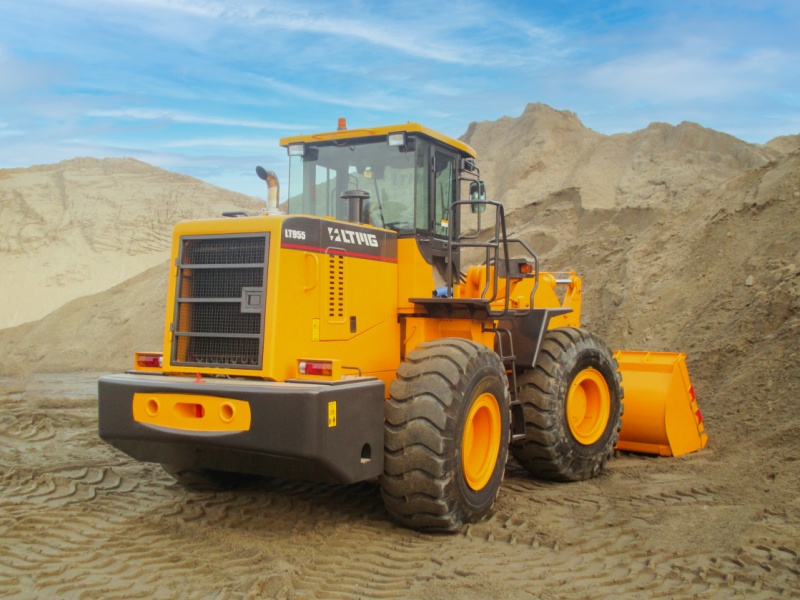
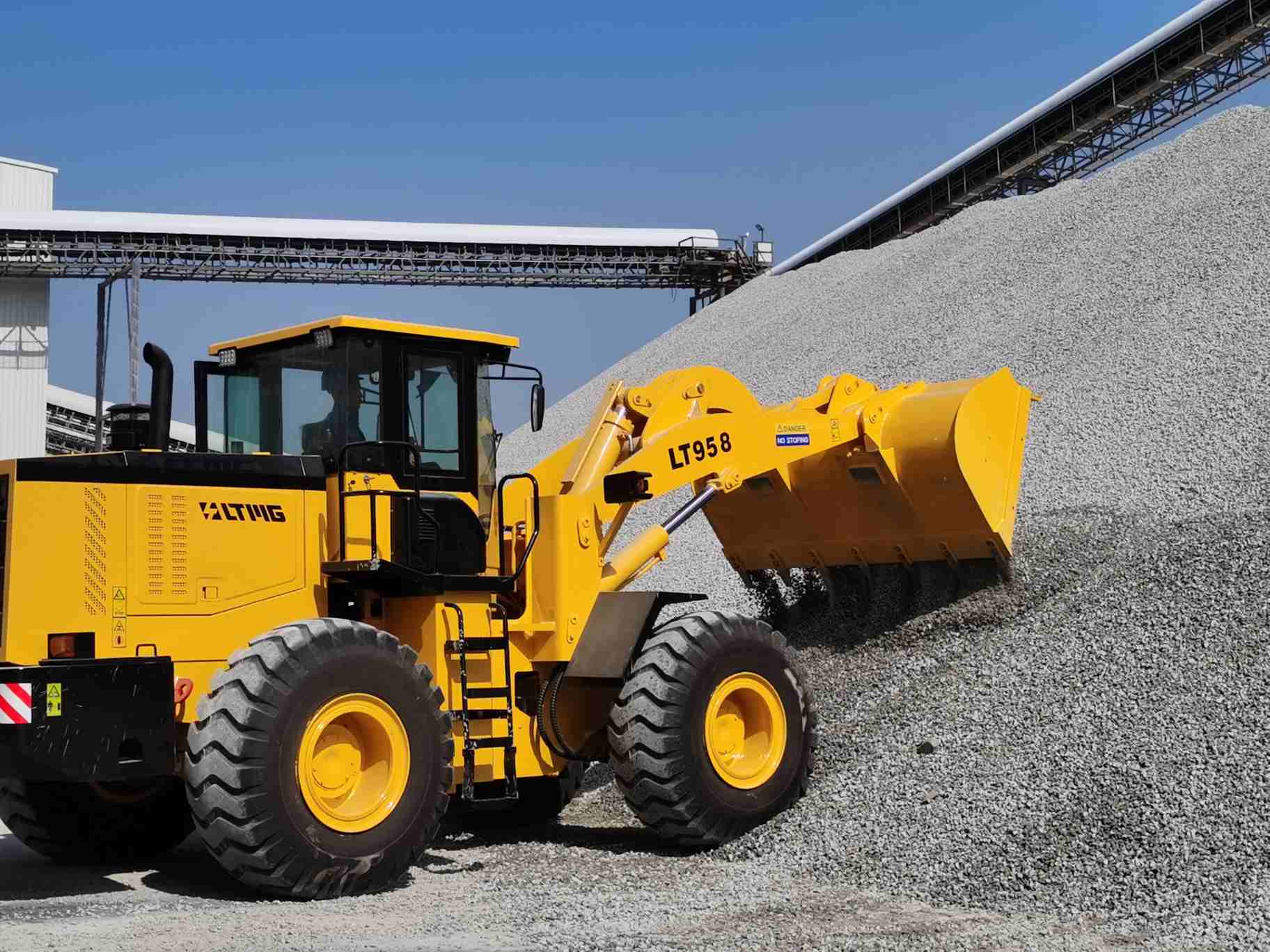
Trong thế giới thiết bị hạng nặng, máy xúc lật bánh lốp là một thiết bị thiết yếu nhờ tính linh hoạt và sức mạnh của nó. Tuy nhiên, với rất nhiều mẫu mã khác nhau về kích thước, hiệu suất và cấu hình, nhiều người mua tự hỏi: Mẫu nào sẽ thực sự mang lại lợi tức đầu tư (ROI) tốt nhất cho dự án cụ thể của tôi? Sự thật là, có những khác biệt giữa máy xúc lật bánh lốp Các mô hình không chỉ đơn thuần là "càng lớn càng tốt". Mỗi máy móc được thiết kế riêng cho ứng dụng cụ thể của nó. Bằng cách hiểu logic phân loại cốt lõi và những khác biệt kỹ thuật chính, bạn có thể nhanh chóng xác định giải pháp tiết kiệm chi phí nhất cho doanh nghiệp của mình. Hướng dẫn này sẽ trình bày chi tiết mọi thứ bạn cần biết về việc lựa chọn máy xúc lật bánh lốp, từ thông số kỹ thuật đến chiến lược mua sắm. 1. Phân loại: Cách phân loại máy xúc lật bánh lốpTrước khi đi sâu vào thông số kỹ thuật, điều quan trọng là phải hiểu cách các nhà sản xuất phân loại các máy móc này. Điều này thường dựa trên ba yếu tố: kích thước, ứng dụng và nguồn điện.Theo trọng tải và kích thước:Máy xúc lật bánh lốp cỡ nhỏ (≤5 tấn): Nhỏ gọn và linh hoạt. Hoàn hảo cho những không gian chật hẹp, công việc làm vườn hoặc các công việc nông trại nhỏ.Máy xúc lật bánh lốp cỡ trung (5–15 tấn): Công cụ đắc lực trong ngành. Hiệu năng cân bằng cho các công trình xây dựng nói chung và công tác làm đường.Máy xúc lật bánh lốp cỡ lớn (>15 tấn): Những cỗ máy khổng lồ hạng nặng được thiết kế cho môi trường sản xuất năng suất cao như hầm mỏ và các công trình hạ tầng quy mô lớn. Theo đơn đăng ký: Các mẫu máy thường được tối ưu hóa cho môi trường "sân nhà" của chúng. Máy xúc lật chuyên dụng trong khai thác mỏ có khung được gia cố và độ bền cao, trong khi máy nông nghiệp có thể ưu tiên tính đa chức năng và trọng lượng nhẹ hơn để phù hợp với đất mềm.Theo loại nguồn điện:Các mẫu xe chạy bằng dầu diesel: Sự lựa chọn truyền thống cho các công việc cường độ cao, kéo dài với chuỗi cung ứng nhiên liệu đáng tin cậy.Các mẫu máy chạy điện/lai: Một xu hướng đang phát triển trong thị trường thiết bị công nghiệp. Chúng mang lại chi phí vận hành thấp hơn, không phát thải và hoạt động gần như im lặng - lý tưởng cho các địa điểm trong nhà hoặc những nơi nhạy cảm về môi trường. 2. Những điểm khác biệt chính giữa các mẫu máy xúc lật bánh lốp khác nhauBạn đang trả tiền cho điều gì khi chuyển từ mô hình này sang mô hình khác? Dưới đây là bốn lĩnh vực khác biệt quan trọng. 2.1 Thông số hiệu suấtTải trọng và trọng lượng vận hành: A Máy xúc lật nhỏ gọn 3 tấn Loại máy này lý tưởng cho việc vận chuyển phế liệu nhẹ, nhưng cần đến loại 20 tấn để xử lý khối lượng lớn vật liệu xây dựng. Chọn sai tải trọng sẽ dẫn đến lãng phí nhiên liệu hoặc gây quá tải cho thiết bị.Công suất và mô-men xoắn động cơ: Công suất càng cao thì chu kỳ càng nhanh, trong khi mô-men xoắn quyết định "lực phá vỡ" - khả năng máy có thể đẩy mạnh vào đống vật liệu nặng.Tốc độ: Máy xúc lật cỡ nhỏ thường nhanh hơn và linh hoạt hơn, phù hợp cho việc vận chuyển hàng hóa thường xuyên tại công trường, trong khi các mẫu máy lớn hơn tập trung vào sự ổn định và tốc độ nhất quán khi chịu tải nặng.2.2 Thiết kế kết cấuTính linh hoạt của gầu xúc: Các mẫu máy có thể được trang bị gầu xúc đá (được gia cố để xúc đá), gầu xúc vật liệu nhẹ (kích thước lớn hơn để xúc ngũ cốc hoặc tuyết), hoặc gầu xúc đa năng tiêu chuẩn. Thiết kế gầu xúc phù hợp có thể tăng năng suất mỗi giờ lên hơn 20%.Các lựa chọn lốp xe: Tùy thuộc vào mẫu xe và địa hình, bạn có thể chọn giữa lốp hơi để tạo sự thoải mái, lốp đặc cho bãi phế liệu (để tránh bị thủng) hoặc lốp có rãnh sâu cho hầm mỏ lầy lội.Khung gầm và khả năng cơ động: Hầu hết các máy xúc lật bánh lốp hiện đại đều sử dụng khung khớp nối. Các mẫu nhỏ hơn có bán kính quay vòng nhỏ hơn, khiến chúng trở nên thiết yếu cho việc thu mua vật tư đô thị, nơi không gian rất hạn chế.2.3 Tính năng chức năngHệ thống điều khiển: Các mẫu cơ bản sử dụng cần gạt cơ khí đơn giản, trong khi các mẫu cao cấp có cần điều khiển vận hành bằng người lái hoặc hệ thống điều khiển bán tự động giúp giảm mệt mỏi cho người vận hành và cải thiện độ chính xác.Các phụ kiện kèm theo: Máy xúc lật có thể sử dụng gầu xúc gỗ, càng nâng pallet hoặc búa thủy lực không? Các mẫu máy đa năng thường cung cấp khả năng lắp đặt phụ kiện linh hoạt nhất.An toàn & Tiện nghi: Các mẫu xe cao cấp bao gồm cabin có áp suất, camera 360° và hệ thống bảo vệ ROPS/FOPS, rất quan trọng cho sự an toàn lâu dài và đáp ứng các tiêu chuẩn lao động hiện đại.2.4 Chi phí bảo trì và vận hànhMức tiêu thụ nhiên liệu/năng lượng: Mặc dù các máy móc chạy bằng động cơ diesel cỡ lớn có giá thành ban đầu và mức tiêu thụ nhiên liệu cao hơn, nhưng "chi phí trên mỗi tấn hàng vận chuyển" của chúng có thể thấp hơn trong các hoạt động sản xuất khối lượng lớn.Chu kỳ bảo trì: Máy xúc lật cỡ nhỏ dễ bảo trì hơn. Các mẫu máy lớn, công nghệ cao đòi hỏi chẩn đoán chuyên dụng nhưng thường được chế tạo bằng các bộ phận "chịu tải nặng" có tuổi thọ sử dụng tổng thể dài hơn. 3. Hướng dẫn lựa chọn: Cách chọn máy xúc lật bánh lốp phù hợpĐể đạt được giá trị tốt nhất cho khoản đầu tư của bạn, hãy tuân theo logic đơn giản này:Xác định môi trường: Đó là một nhà kho trong nhà chật hẹp hay một mỏ lộ thiên rộng lớn? Điều này sẽ quyết định kích thước và loại lốp xe.Tính toán khối lượng: Bạn cần vận chuyển bao nhiêu tấn mỗi giờ? Hãy đối chiếu con số này với dung tích gầu xúc và công suất động cơ.Phân tích tổng chi phí sở hữu (TCO): Hãy nhìn xa hơn giá mua ban đầu. Cân nhắc hiệu suất nhiên liệu, khả năng tìm kiếm phụ tùng thay thế và giá trị bán lại tiềm năng.Đảm bảo tính bền vững trong tương lai: Nếu các dự án của bạn thay đổi, hãy ưu tiên một mẫu có hệ thống "khớp nối nhanh" để dễ dàng thay đổi các phụ kiện. Phần kết luậnMáy xúc lật "tốt nhất" không phải là máy có công suất lớn nhất hay giá thấp nhất, mà là máy đáp ứng được khối lượng công việc hàng ngày của bạn với hiệu suất cao nhất. Cho dù bạn đang tìm kiếm một máy xúc lật nhỏ gọn, linh hoạt cho công việc đô thị hay một cỗ máy hạng nặng khổng lồ cho khai thác đá, chúng tôi đều cung cấp đầy đủ các loại máy xúc lật bánh lốp chạy bằng diesel và điện được thiết kế để tối đa hóa thời gian hoạt động của bạn. Bạn đang tìm kiếm báo giá cạnh tranh hoặc thông số kỹ thuật chi tiết? Hãy xem dòng sản phẩm máy xúc lật bánh lốp mới nhất của chúng tôi hoặc liên hệ với các chuyên gia của chúng tôi ngay hôm nay để được tư vấn cá nhân và lựa chọn giá bán buôn.