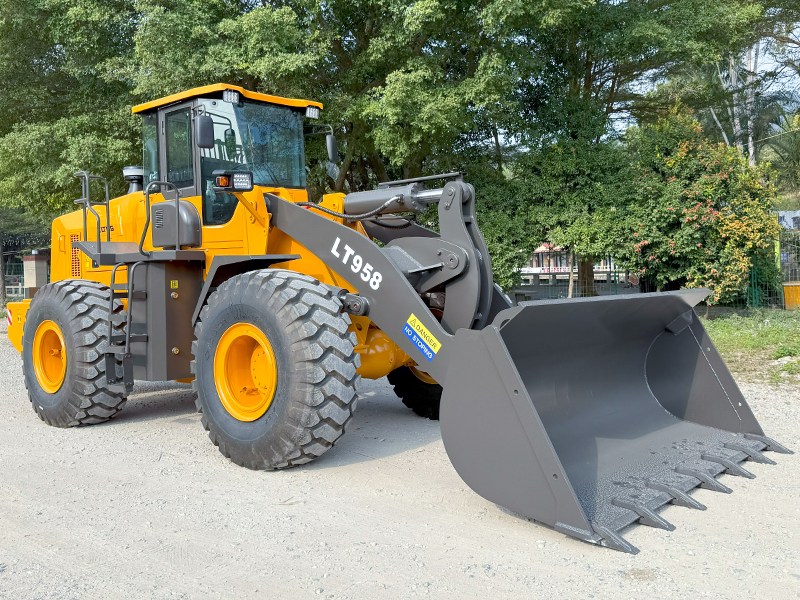
A wheel loader boom lifting slowly can point to restricted oil flow, internal leakage, incomplete valve operation or excessive mechanical resistance. The most useful first step is to establish when it happens: during cold starts, after the machine warms up, under load or during every lift.
Replacing the hydraulic pump before checking these conditions can leave the original problem unresolved. This guide explains how to narrow down the cause, distinguish operator checks from workshop tests and choose repairs based on evidence. It should be noted that no universal pressure, temperature, or lifting-time specifications are provided in this document; the specific test values should be based on the service manual for the corresponding machine model.
Record the operating conditions before changing anything. Compare performance only where the machine remains safe to operate and the manual permits the check.
|
Symptom |
What it may indicate |
|
Slow when cold, improving after warm-up |
Oil viscosity or a temperature-sensitive restriction |
|
Normal cold, noticeably slower when hot |
Increased internal leakage, excessive oil temperature or unsuitable oil |
|
Boom slow while bucket movement remains normal |
A fault within the lift circuit, its controls or linkage |
|
Several hydraulic functions slow |
A shared supply, engine-speed, control or oil-condition problem |
|
Acceptable empty, weak or slow with material |
Excessive load, inadequate pressure under load or internal leakage |
|
Slow and jerky, with unusual pump noise |
Aeration, inlet restriction or another supply problem |
These patterns guide inspection; they do not prove which component has failed. Hydraulic circuit layouts vary, so normal bucket operation does not automatically rule out a pump or supply fault.
For useful comparisons, record engine speed, oil temperature, attachment, load and starting position. Otherwise, apparent changes in lift speed may simply reflect different test conditions.
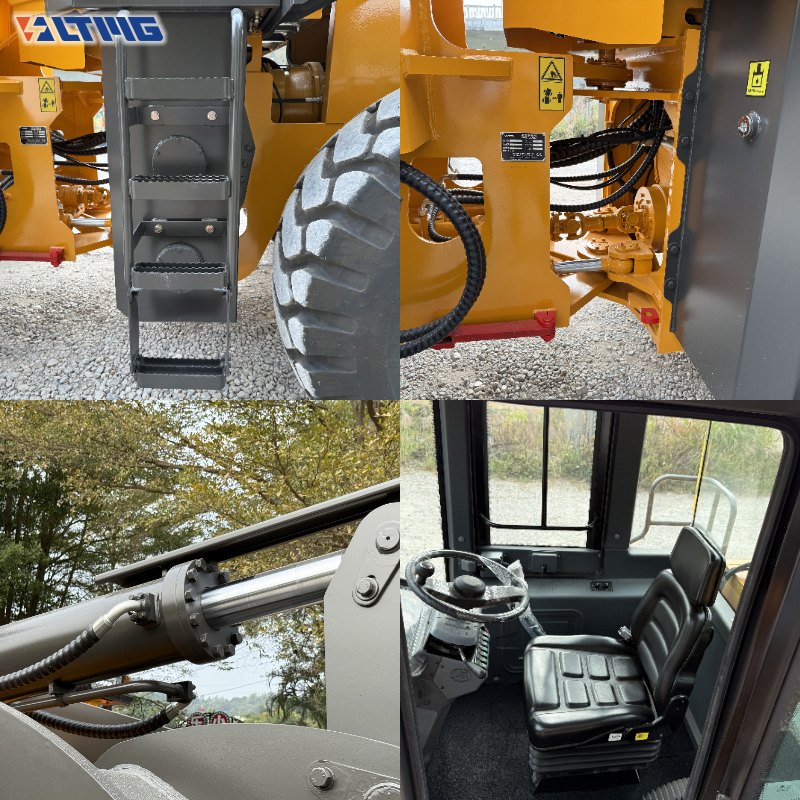
Low reservoir level can interrupt the oil supply and allow air into the system. Oil that is too viscous for the conditions can restrict flow during cold operation. Incorrect or degraded fluid can also affect lubrication and performance.
Check against the machine’s specified fluid requirements rather than choosing oil solely by its viscosity label.
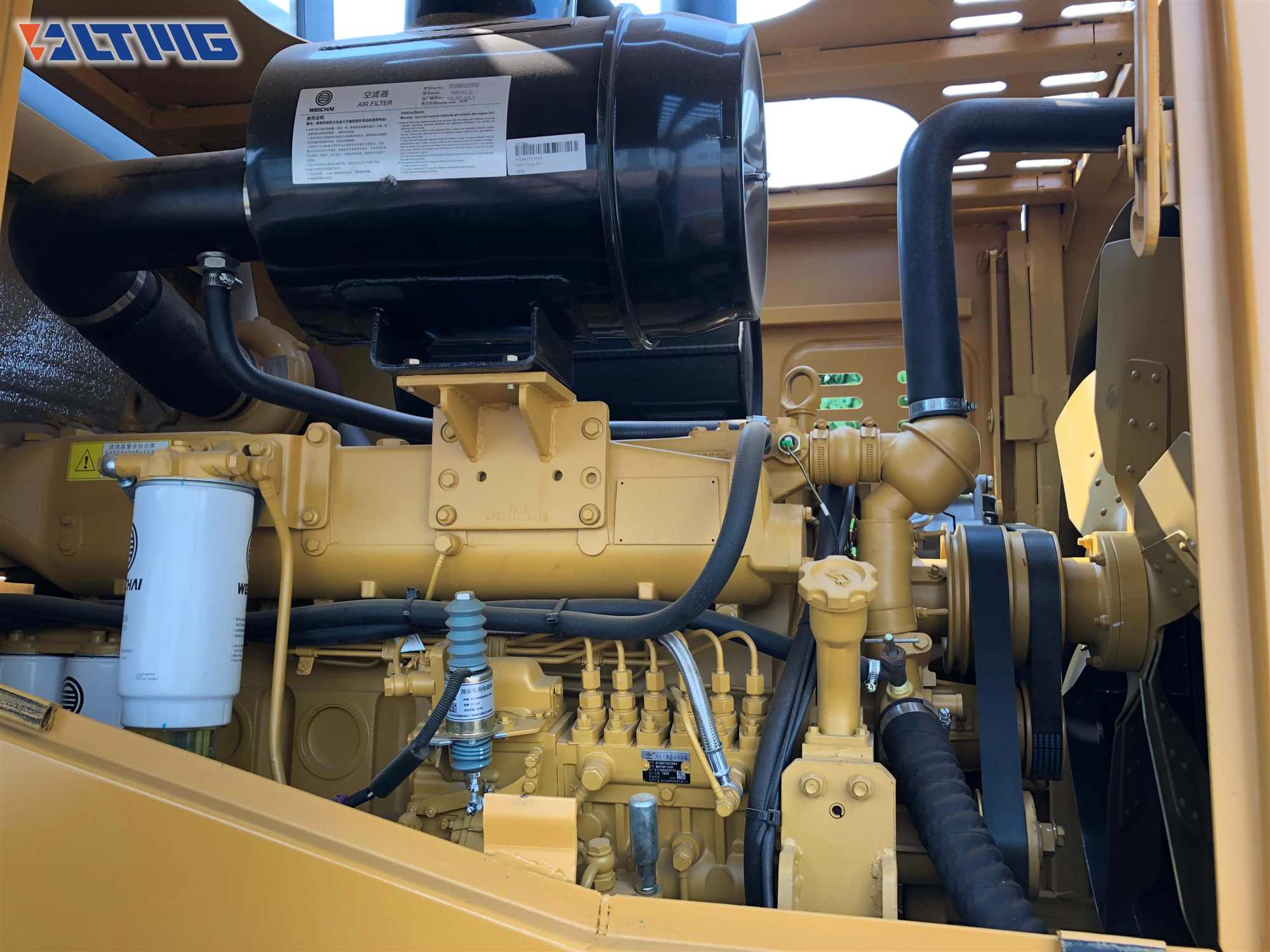
A restricted filter, damaged hose or obstructed inlet can reduce available flow. An inlet-side leak may draw air into the system without leaving an obvious external oil leak.
Foaming, irregular movement and unusual noise justify further investigation. They are clues, rather than confirmation of a single fault.
Wear in a pump, valve or lift cylinder can allow oil to bypass internally instead of producing useful movement. This may become more noticeable as oil warms and its viscosity falls.
A wheel loader boom slow when hot therefore needs temperature and leakage checks. The symptom alone does not justify replacing the pump.
A sticking spool, restricted pilot supply, damaged linkage or electrical control fault may prevent the lift valve from opening fully. The operator can move the joystick through its full travel while the valve receives only a partial command.
An overloaded bucket increases the pressure needed to raise the boom. Material density matters: a bucket filled with wet aggregate can weigh considerably more than the same volume of lighter material.
Dry or seized pivots, damaged bushes and bent components can also resist movement. Hydraulic testing should not replace a basic inspection of the lifting mechanism.
Park on firm, level ground, lower the attachment, apply the parking brake and follow the manual’s isolation procedure before inspection.
For work requiring raised lift arms, trained personnel must install the manufacturer-specified mechanical support. Hydraulic pressure alone is not a safe support. Stored pressure must be released using the machine-specific procedure before opening the system.
Never use your hand to find a pressurised leak. Hydraulic injection injuries require immediate medical attention.
Confirm the correct operating mode and prescribed engine speed. Where fitted, check whether adjustable hydraulic settings could explain the change.
Record warning lights and fault codes. Establish whether the problem began after an oil change, filter replacement, attachment change or repair. Recent work can reveal an incorrect fluid, unsuitable part or disturbed connection.
Check the reservoir exactly as the manual specifies; attachment position and temperature can affect the reading.
Look for external leakage, foaming, milky appearance, burnt odour or visible contamination. Appearance cannot establish oil suitability or cleanliness by itself. Oil analysis may be needed.
If the level is low, identify the reason instead of repeatedly topping up.
Check service records, the specified filter restriction indicator and accessible hoses for damage. Inspect the oil cooler for external blockage using the approved access and cleaning procedure.
Do not loosen hydraulic connections to “see whether oil flows”. Pressurised flow testing requires suitable equipment and trained personnel.
If operation is safe, compare boom and bucket response at the same prescribed engine speed and oil temperature. Record whether the symptom occurs empty, with a permitted load, or only during combined movements.
For a repeatable cycle-time check, follow the model’s test procedure. Do not repeatedly hold the control against the end of cylinder travel; this can generate unnecessary heat.
A qualified technician should use the hydraulic schematic and specified test points to measure pressure, flow, temperature and relevant control signals.
Pressure alone cannot confirm healthy pump delivery. A system may reach its specified pressure yet deliver insufficient flow under working conditions.
Tests should separate supply problems, valve restrictions and cylinder leakage before major parts are ordered.
|
Confirmed finding |
Appropriate repair direction |
|
Low oil level caused by leakage |
Repair the leak and restore the specified fluid level |
|
Incorrect or contaminated fluid |
Correct the source, then service the system according to the manufacturer’s procedure |
|
Restricted filter or damaged hose |
Fit the correct replacement and investigate contamination or hose deterioration |
|
Inadequate cooling |
Restore cooler airflow and repair the diagnosed cooling fault |
|
Incomplete valve command |
Repair the identified linkage, pilot, wiring or control fault |
|
Excessive cylinder bypass |
Inspect and repair the cylinder, including seals and damaged surfaces |
|
Pump delivery below specification |
Repair or replace the pump after checking inlet conditions and controls |
|
Binding boom linkage |
Repair damaged pivots or components and restore specified lubrication |
A relief-valve adjustment is appropriate only when testing confirms an incorrect setting and the manufacturer’s procedure authorises correction. Increasing pressure to compensate for slow movement can overload components without restoring the missing flow.
After repair, repeat the same checks at the specified operating temperature and engine speed. Confirm normal response, inspect for leaks and document the results.
A useful wheel loader maintenance checklist should cover more than oil-change intervals:
For wheel loaders and compatible attachments, confirm the permitted load and attachment requirements for the exact configuration. Bucket volume alone does not establish a safe payload.
If the problem returns, compare current observations with the post-repair record. That evidence is more useful than replacing the same component again without testing.
Stop loading work until the cause has been assessed. Slow lifting accompanied by jerking, unexpected lowering, leakage, unusual noise, overheating or warning lights requires prompt attention.
Do not assume that reducing the bucket load makes continued operation safe. Any movement needed to park or recover the machine should follow the manual and site safety procedure.
There is no universal lift time. It depends on the model, hydraulic configuration, engine speed, oil temperature, attachment, load and measurement method.
Use the manufacturer’s specified lift-only test where available. Do not compare that figure with a complete loading-cycle time, which may include lifting, dumping and lowering.
Provide the model, serial number, operating hours, fault codes and service history. Describe whether the problem started suddenly or gradually, occurs cold or hot, affects other hydraulic functions, and changes with load or engine speed.
Include the fluid specification, recent repairs and any safely recorded cycle times or video. For an LTMG machine, these details help the service team identify the relevant documentation and plan the next checks.

điện thoại : +86 195 5920 7570
E-mail : market@ltmg.com
Whatsapp : +86 195 5920 7570
Thêm vào : LTMG Group, Electronics City(Xiamen) International Innovation Center, No.23, Duiying Road, Jimei District, Xiamen, China


Nhận thông tin sản phẩm & thông tin ưu đãi mới nhất



