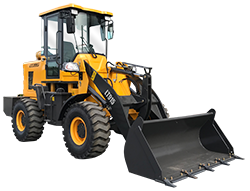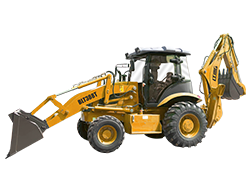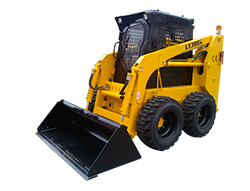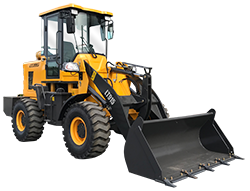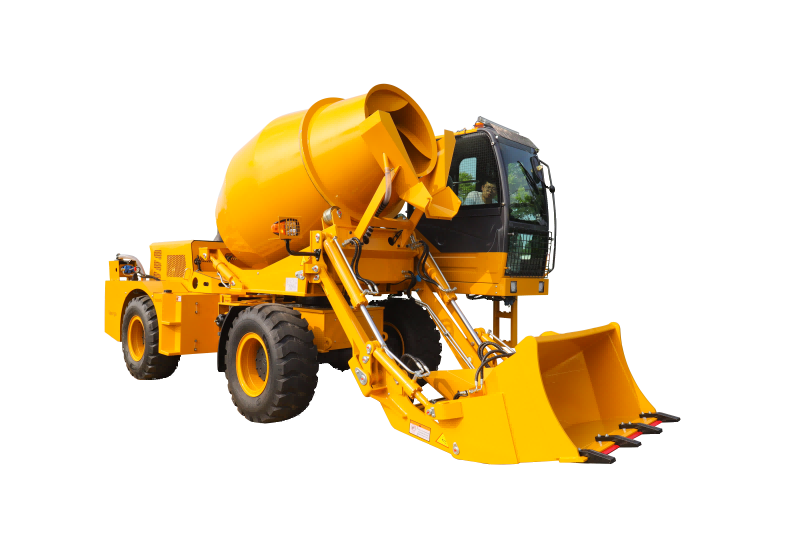
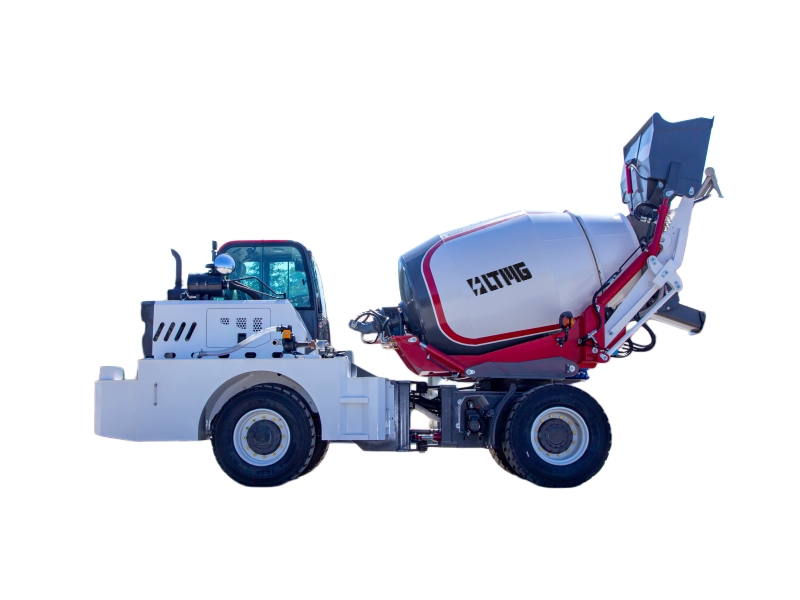
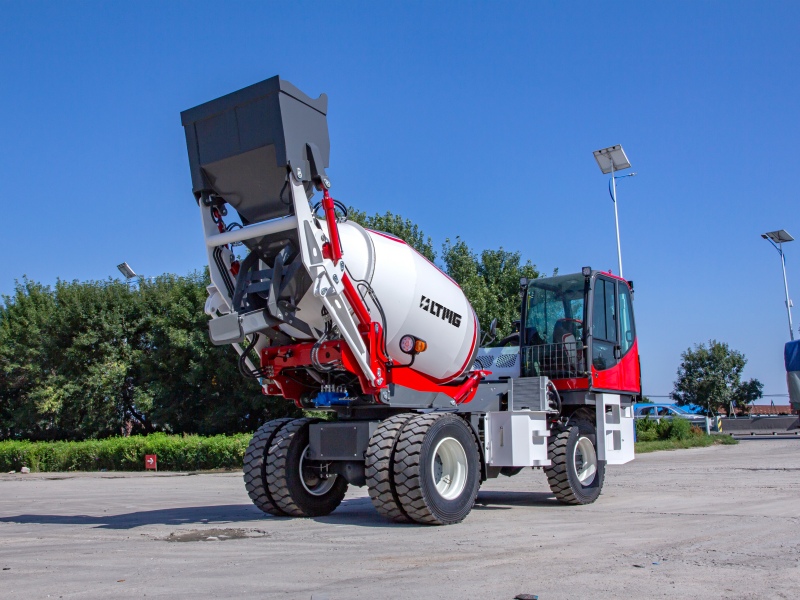
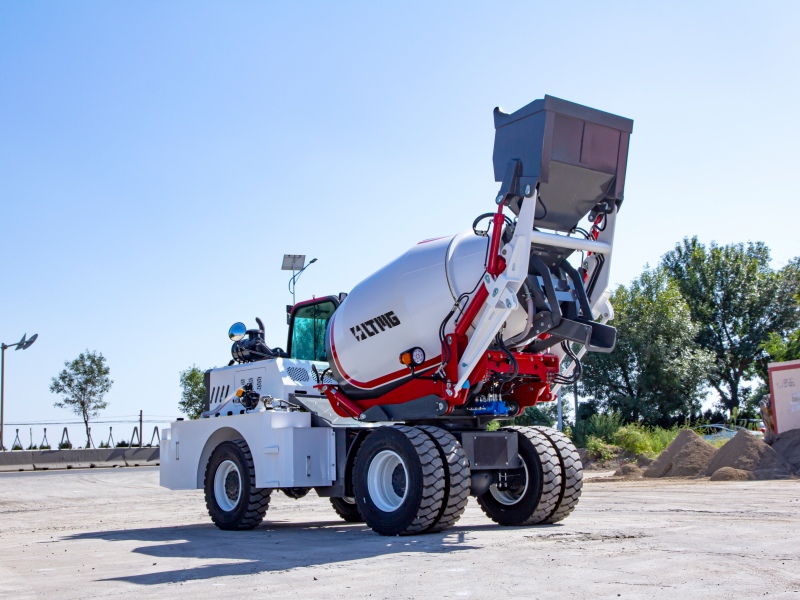
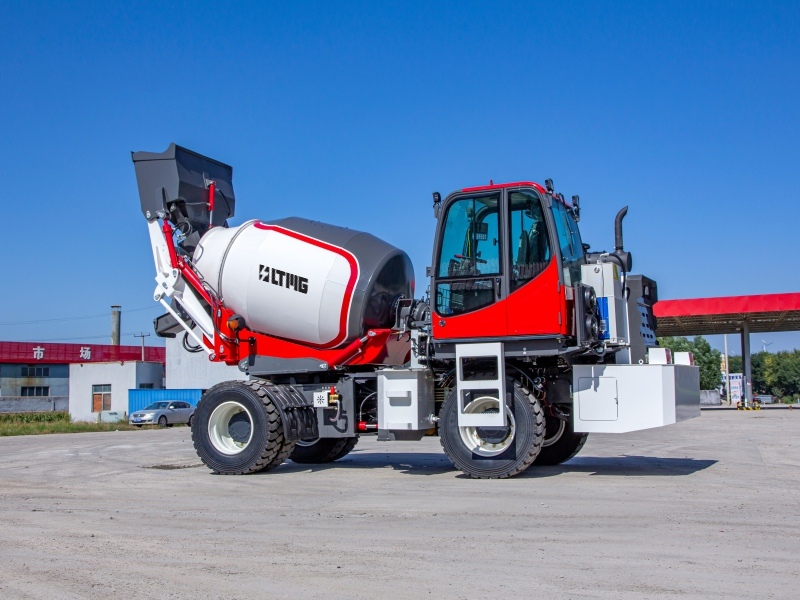
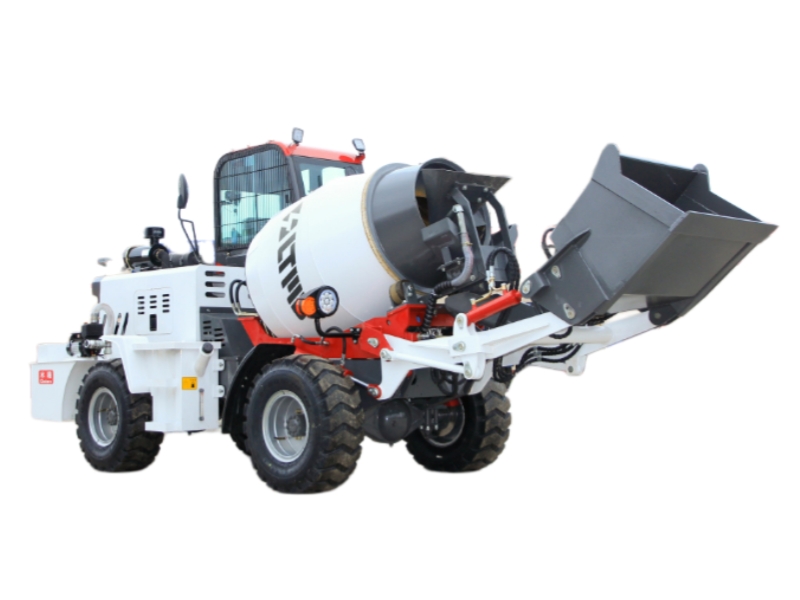
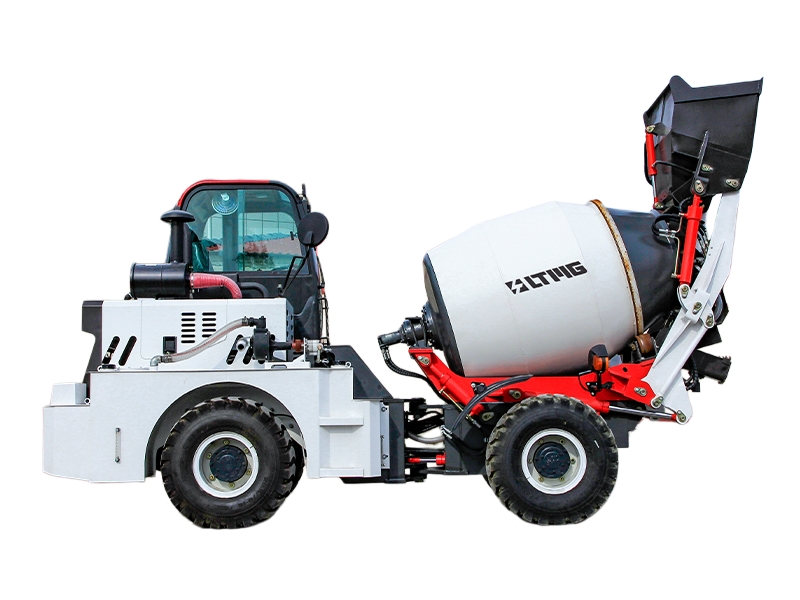
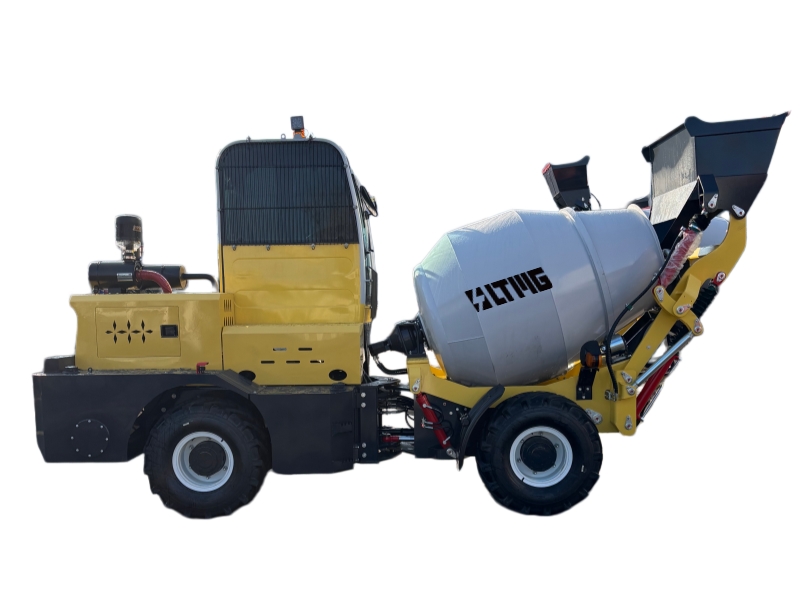
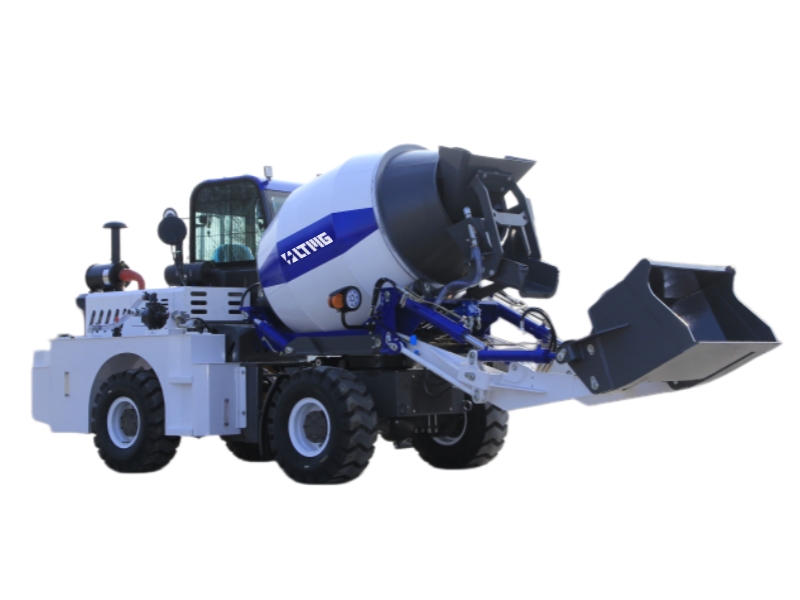
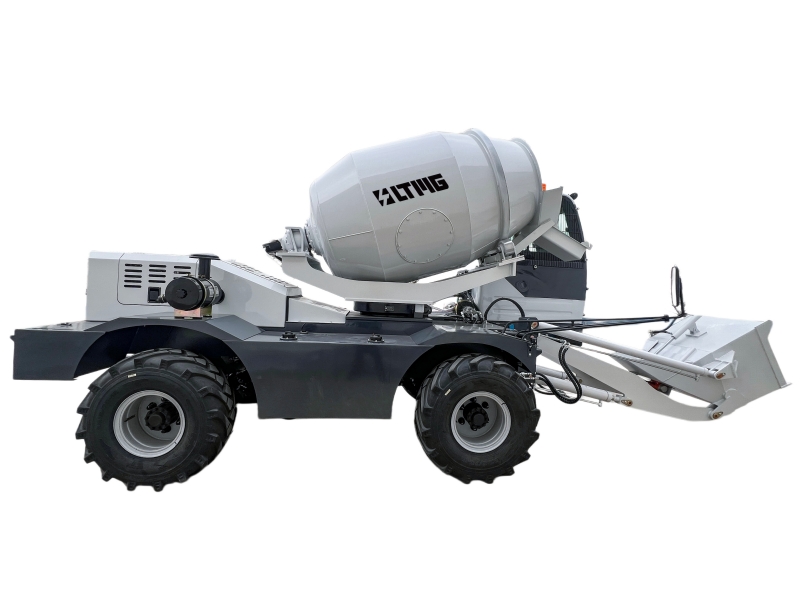
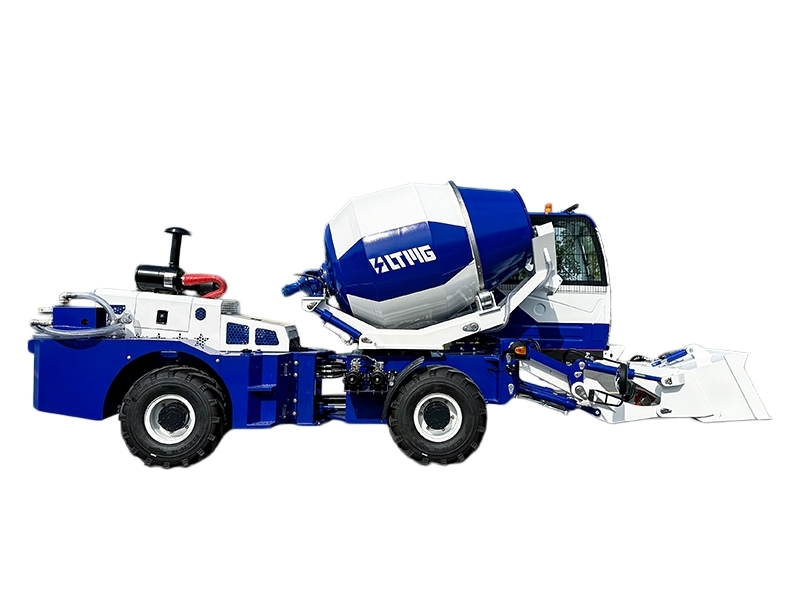
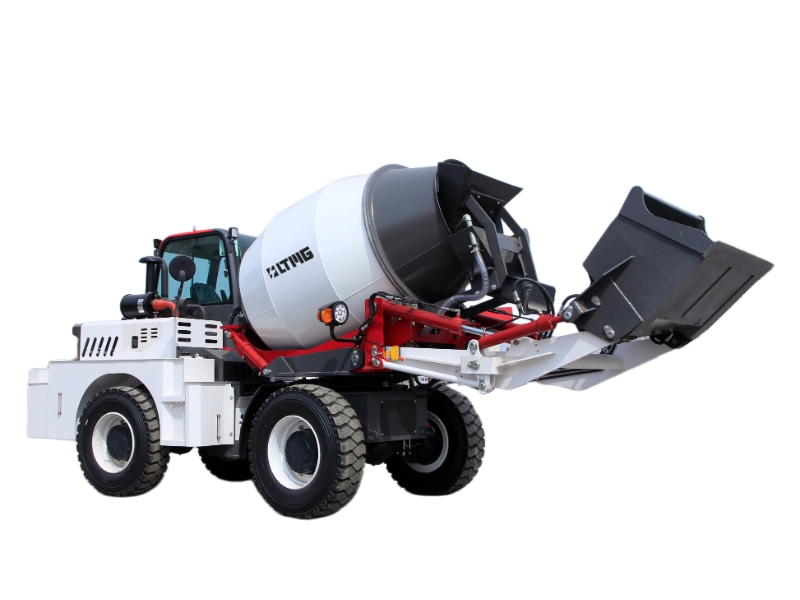
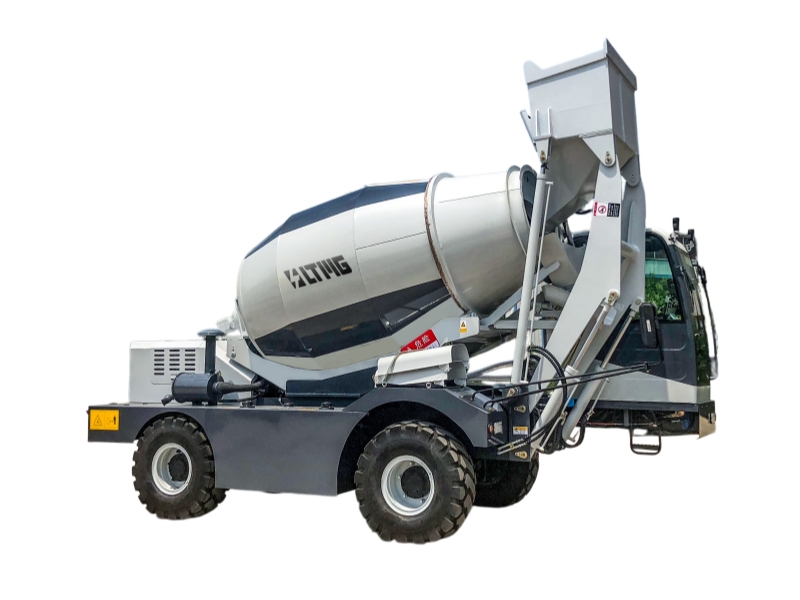
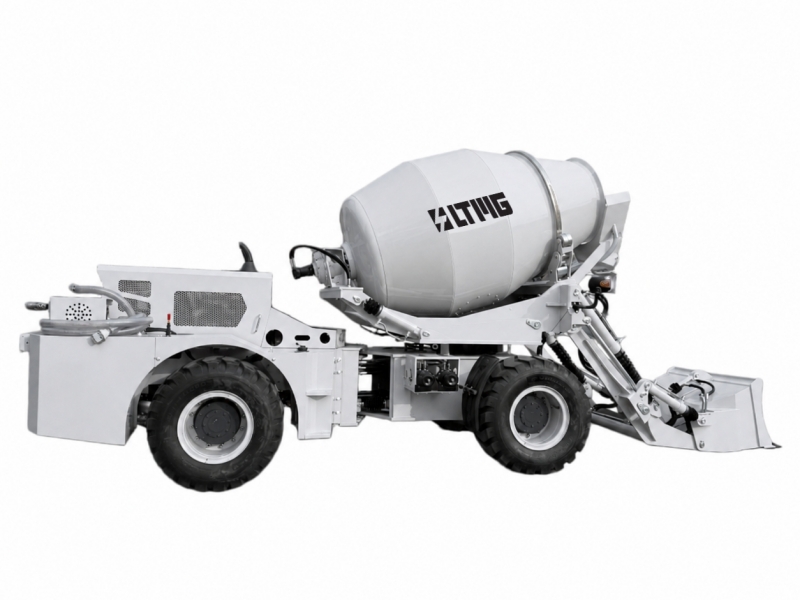
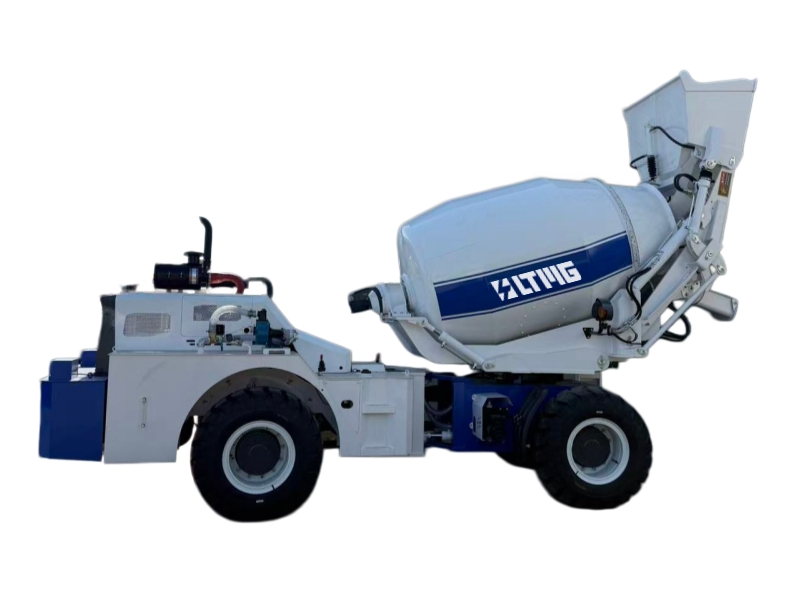
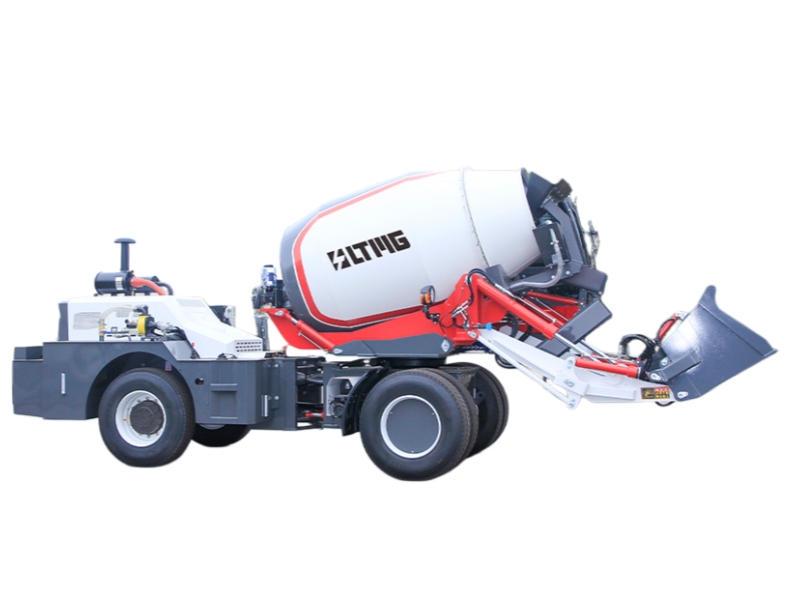
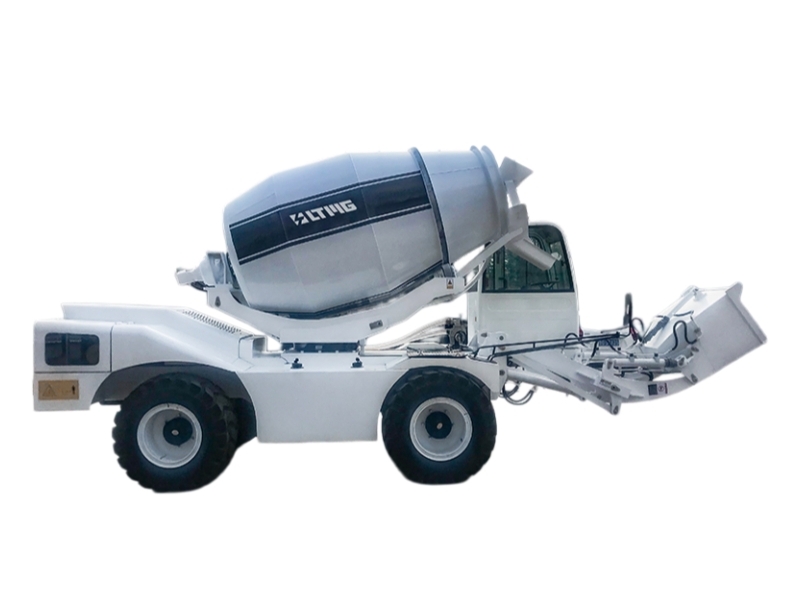
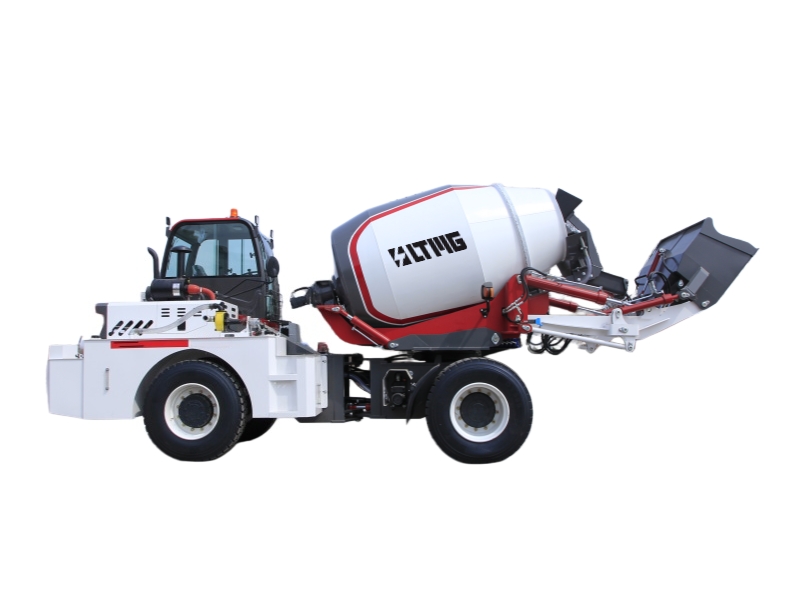
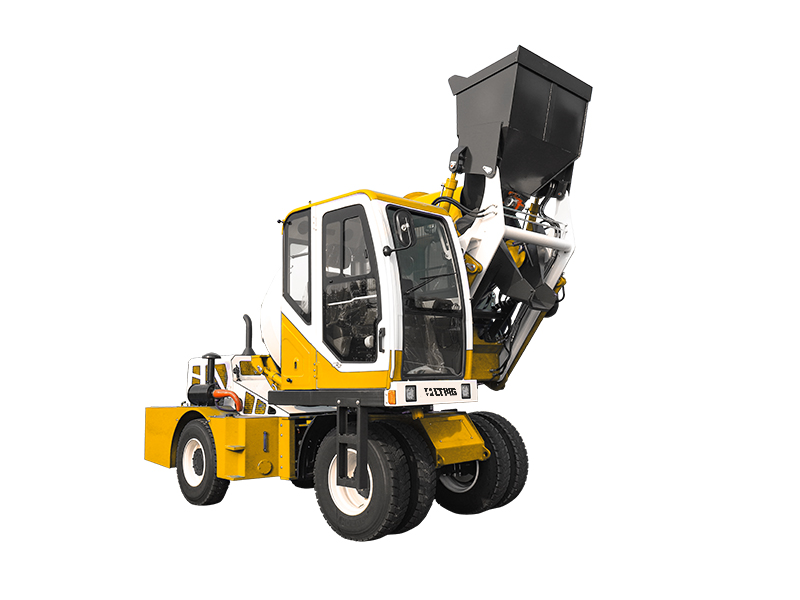
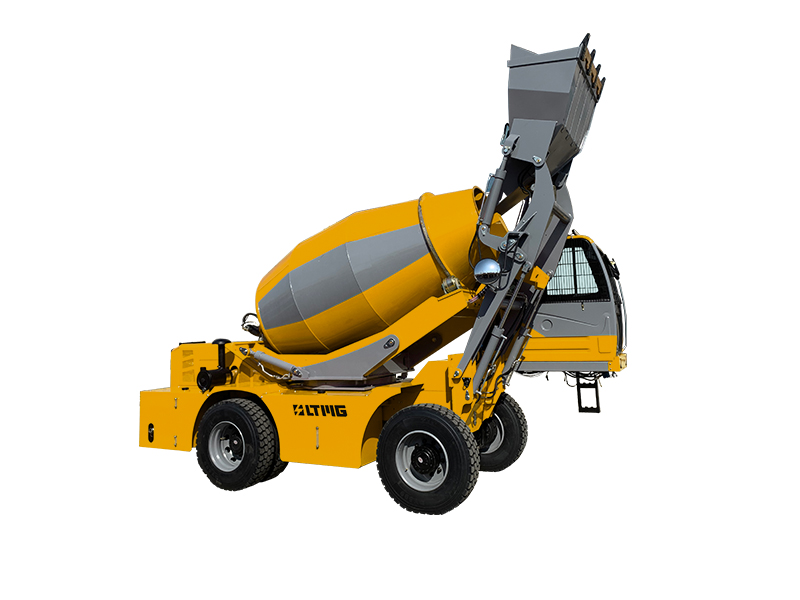
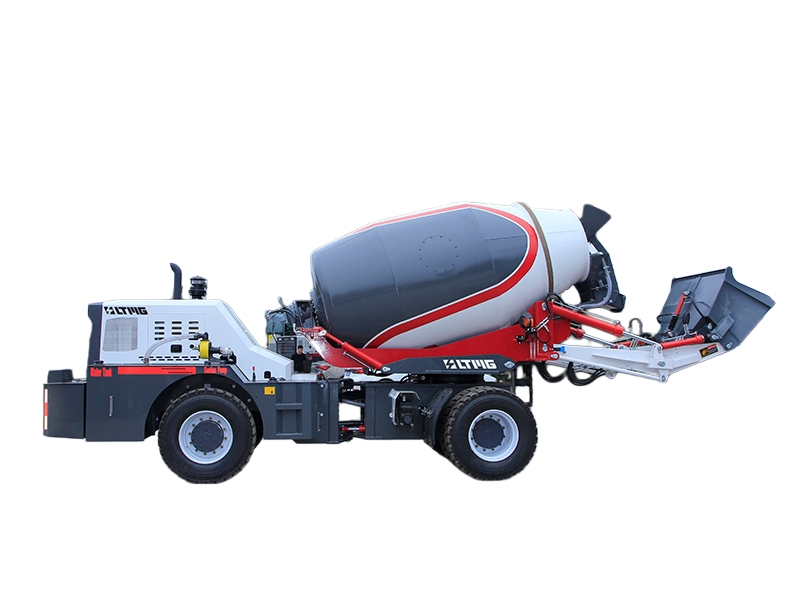
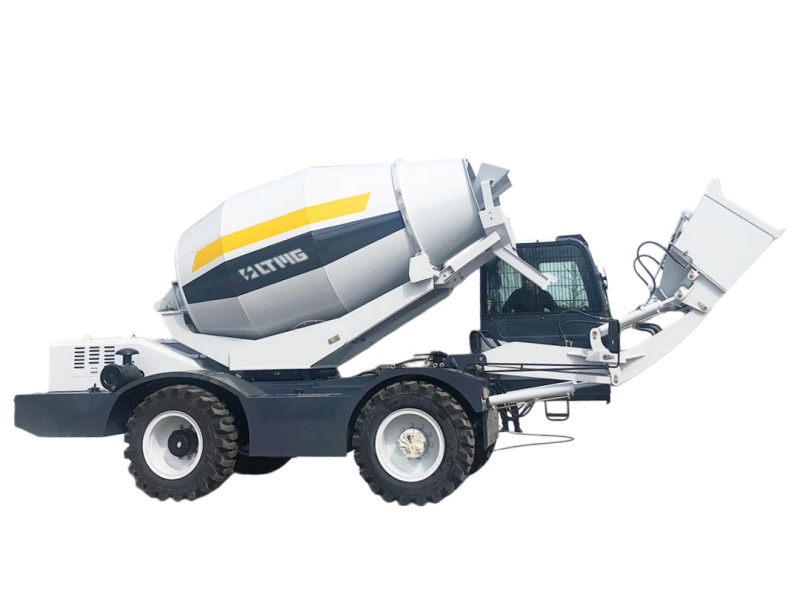
Xe trộn bê tông 3,5m³ tích hợp các chức năng nạp liệu, trộn, vận chuyển và xả liệu, giúp sản xuất bê tông hiệu quả tại công trường. Với hiệu suất mạnh mẽ, vận hành linh hoạt và môi trường lái xe thoải mái, xe rất lý tưởng cho các dự án xây dựng, công trình đường sá, móng nhà và các công trường đòi hỏi khắt khe khác.
Người mẫu :
LTM40Cân nặng :
9500 KGChiều dài chiều rộng chiều cao :
6970×2850×4320 (Lifting arm) mm


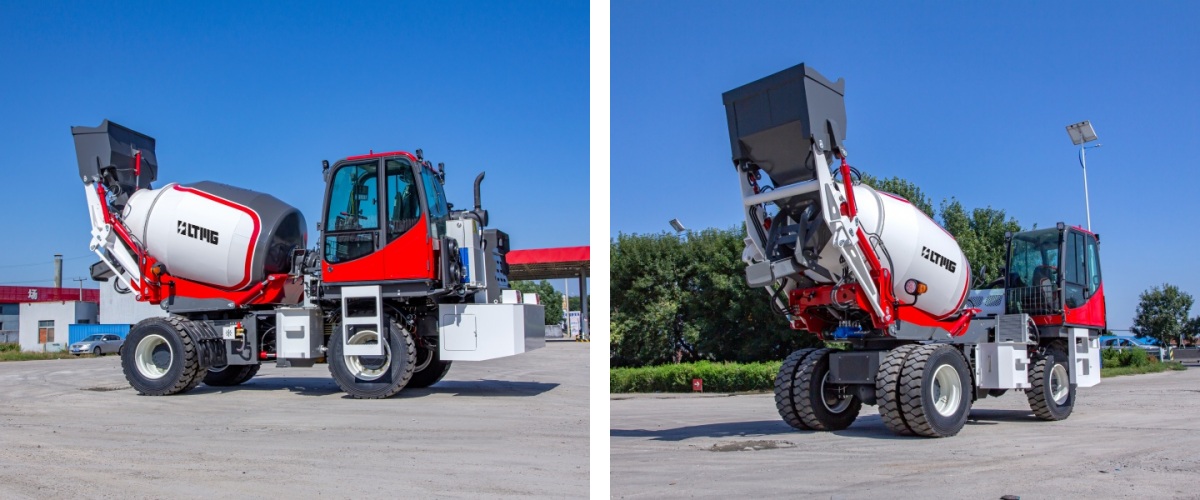
Các tính năng của xe trộn bê tông tự nạp
1. Trộn hiệu quả và năng suất cao: Hệ thống tích hợp nạp, trộn, vận chuyển và xả liệu giúp tối ưu hóa quá trình sản xuất bê tông tại công trường, giảm thiểu thao tác thủ công và nâng cao hiệu quả làm việc tổng thể.
2. Hiệu suất mạnh mẽ và vận hành đáng tin cậy: Động cơ diesel mạnh mẽ, hệ thống truyền động chịu tải nặng và khung gầm khớp nối cung cấp lực kéo mạnh mẽ và hiệu suất ổn định, cho phép vận hành đáng tin cậy trên các địa hình khó khăn và các công trường đầy thách thức.
3. Vận hành linh hoạt và xả liệu thuận tiện: Sự quay đồng bộ của thùng trộn và cabin lái mang lại sự linh hoạt cao hơn trong quá trình định vị và xả bê tông, trong khi hệ thống thủy lực và điều khiển bằng van điều khiển đảm bảo vận hành trơn tru và thuận tiện.
4. Lái xe thoải mái & Cấu hình thực tiễn: Môi trường vận hành tiện nghi, ghế ngồi giảm xóc, bảng điều khiển kỹ thuật số, hệ thống camera giám sát, đèn LED và các tính năng thực tiễn khác giúp tăng cường sự thoải mái khi lái xe, tầm nhìn và dễ dàng vận hành.
Thông số kỹ thuật của Xe trộn bê tông tự nạp
| Tham số | Đơn vị | LTM40 |
| Kích thước xe (Dài × Rộng × Cao) | mm | 6970×2850×4320 (Cánh tay nâng); 8420×2850×3260 (Cánh tay hạ) |
| Chiều dài cơ sở | mm | 3200 |
| Chiều rộng rãnh | mm | 1710 |
| Tổng trọng lượng | kg | 9500 |
| Động cơ | / | YCD4J22T-125 / YC6J125Z-T20 |
| Quyền lực | kW | 91/92 |
| Hộp số | / | 315 Đã tách |
| Trục dẫn động | / | Trục giảm tốc bánh xe 3.0T |
| Lốp xe | / | Lốp đôi 16/70-R22.5 |
| Dung tích của xô | m³ | 0,65 |
| Khả năng khuấy | m³ | 4 |
| Tỷ lệ giảm | / | 0.113194444 |
| Tốc độ quay | r/phút | ≥15 |
| Bộ giảm tốc | / | Sản xuất tại Trung Quốc |
| Tốc độ chạy | km/h | 35 |
| Loại truyền động | / | 4×4 |
| Dung tích bình chứa nước | L | 700 |
| Dung tích bình nhiên liệu diesel | L | 150 |
| Dung tích bình chứa dầu thủy lực | L | 140+35 |
Với sự đổi mới công nghệ, cấu hình và thông số sản phẩm của chúng tôi sẽ tiếp tục thay đổi mà không cần báo trước;
Nếu có bất kỳ nghi ngờ nào, xác nhận cụ thể từ các giao dịch bán hàng quốc tế của chúng tôi sẽ được ưu tiên áp dụng;
Sản phẩm bán chạy nhất của LTMG


Câu hỏi thường gặp
A: Sản lượng bê tông mỗi giờ của máy trộn bê tông tự nạp phụ thuộc vào nhiều yếu tố hơn là chỉ dung tích thùng trộn. Sản lượng thực tế được xác định bởi toàn bộ chu trình vận hành, bao gồm nạp cốt liệu, thêm nước và xi măng, trộn, vận chuyển đến vị trí đổ bê tông, xả liệu và quay lại để chuẩn bị mẻ tiếp theo. Khoảng cách vận chuyển vật liệu ngắn, kho chứa tập trung, bố trí công trường tốt và người vận hành có kinh nghiệm có thể cải thiện đáng kể năng suất. Ngược lại, vật liệu phân tán, quãng đường vận chuyển dài hoặc điều kiện đường sá khó khăn có thể làm giảm sản lượng mỗi giờ. Do đó, cần xem xét chu trình làm việc thực tế và bố trí công trường khi ước tính năng lực sản xuất bê tông của máy trộn tự nạp.
Hỏi: Máy trộn bê tông tự nạp liệu có thể duy trì tỷ lệ trộn bê tông ổn định không?
A: Có, với điều kiện máy có hệ thống cân chính xác và được vận hành theo quy trình trộn đã quy định. Cốt liệu và cát thường được nạp bằng gầu phía trước, trong khi nước có thể được kiểm soát thông qua bình chứa nước và hệ thống đo lường tích hợp. Xi măng có thể được thêm vào bằng bao, bao lớn hoặc các dạng phù hợp khác tùy thuộc vào ứng dụng. Đối với các dự án yêu cầu tỷ lệ trộn bê tông chính xác, nên sử dụng hệ thống cân điện tử và thiết bị đo lường nước. Việc hiệu chuẩn thường xuyên cũng rất quan trọng để duy trì độ chính xác của cân. Đối với các hỗn hợp bê tông được thiết kế trong phòng thí nghiệm, khối lượng vật liệu nên được đo lường chứ không chỉ ước tính bằng gầu xúc.
Hỏi: Xe trộn bê tông tự nạp có thể hoạt động trên đường núi, đường lầy lội hoặc địa hình không trải nhựa không?
A: Vâng, một số mẫu máy trộn bê tông tự nạp được thiết kế cho các ứng dụng địa hình khắc nghiệt và có thể được cấu hình với hệ dẫn động bốn bánh, lốp xe chịu tải nặng và khoảng sáng gầm cao. Những tính năng này có thể cải thiện khả năng di chuyển trên đường đồi núi, công trường xây dựng nông thôn, khu vực khai thác mỏ, địa hình lầy lội và đường không trải nhựa. Tuy nhiên, hiệu suất địa hình của máy phụ thuộc vào địa hình và điều kiện hoạt động thực tế. Trước khi lựa chọn một mẫu máy, cần xem xét các yếu tố như độ dốc tối đa, chiều rộng đường, điều kiện đất, độ ổn định mặt đất và thời tiết theo mùa. Đối với địa hình khó khăn, máy trộn bê tông tự nạp dẫn động bốn bánh với lốp xe địa hình phù hợp có thể cung cấp lực kéo và độ ổn định hoạt động tốt hơn.
Hỏi: Máy trộn bê tông tự nạp liệu nên được vận hành như thế nào trên dốc?
A: Vận hành trên dốc đòi hỏi sự chú ý đặc biệt vì bê tông bên trong thùng trộn di chuyển theo chuyển động của máy, tạo ra tải trọng động có thể ảnh hưởng đến trọng tâm của máy. Do đó, khả năng leo dốc của máy trộn bê tông tự nạp không tải không nên được sử dụng làm tiêu chuẩn duy nhất cho việc vận hành khi đầy tải. Trên các dốc cao, người vận hành nên tránh di chuyển ngang qua dốc, rẽ đột ngột hoặc lái xe xuống dốc với tốc độ quá cao. Tải trọng cũng nên được duy trì trong phạm vi vận hành khuyến nghị. Đối với các dự án xây dựng trên núi, việc cung cấp trước độ dốc dọc và ngang tối đa dự kiến cho phép lựa chọn máy trộn phù hợp dựa trên trọng lượng vận hành, hệ thống truyền động, hệ thống phanh, cấu hình lốp và độ ổn định tổng thể.
THẺ :
điện thoại : +86 195 5920 7570
E-mail : market@ltmg.com
Whatsapp : +86 195 5920 7570
Thêm vào : LTMG Group, Electronics City(Xiamen) International Innovation Center, No.23, Duiying Road, Jimei District, Xiamen, China
Nhận thông tin sản phẩm & thông tin ưu đãi mới nhất